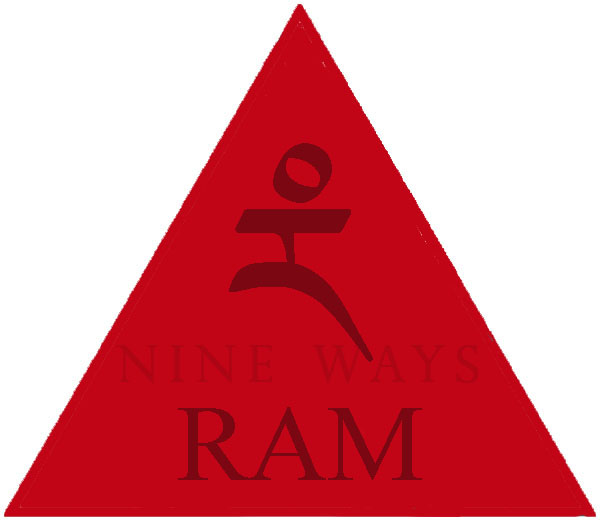
 The element of Fire is called mé in Tibetan. It is symbolized by the shape of a triangle and the color red. The unique vibration of this element is the sound ‘RAM’. It is associated with the direction West. In general, Fire provides enthusiasm, creativity and intuition.
Environmentally, our dependence upon the element of Fire is clear by the importance of the sun for life on the planet. The inner core of the earth is dominated by the element of Fire and it is believed to be about the same temperature as that of the surface of the sun. Fire has enabled us to cook, which greatly increases the amount of food available to us. And it has also allowed us to live in climates which would ordinarily be too cold.
In the Yungdrung Bön tradition, spiritual realization and the perfection of wisdom are associated with inner heat. There is a spiritual practice, called Tummo, which is specifically develops and increases this inner heat which naturally ripens our positive qualities and burns away our negative qualities. This practice involves a very detailed visualization of Fire.
Within our bodies, the element of Fire rules the warmth of our bodies and the heat of digestion. More specifically, it is associated with the liver. When the element of Fire is balanced within us, we are engaged with activities that inspire us and bring us the joy of accomplishment. We are enthusiastic about life and feel joy. A balanced Fire element gives us the energy and drive to accomplish our goals and find creative solutions for any obstacles that might arise.
If the Fire element is in excess, we can be quick to become agitated, frustrated and angry. We can overreact with our actions or words. We find many things intolerable and can view others as our opponents. There is constant movement and instability. Our thoughts are incessant. Physiologically, we can experience fevers and skin symptoms.
If the Fire element is deficient, we lack energy and inspiration. Nothing excites us. We don’t feel motivated or feel that we lack the energy necessary to manifest our goals. We lack curiosity and life can feel like a boring routine. Physiologically, our metabolism can slow and we have difficulty digesting our food.
In order to bring the element of Fire back into balance, there are methods such as Tibetan medicine, ritual and meditation practices such as Tummo. There are specific yogic exercises within the Yungdrung Bön tradition which use the focus of the mind together with the breath and movement of the physical body to balance and strengthen the elements within us. To learn more about these yogic exercises see Healing with Form, Energy and Light by Tenzin Wangyal Rinpoche.
Additionally, if the Fire element has become weakened, spend more time being active with things that bring you joy. Spend time with extroverted, enthusiastic people. Go to an unfamiliar environment and learn about it. Greet strangers with a smile or begin a conversation with someone about a subject that interests you. You can also spend time near an open fire such as in a fireplace or with a candle and meditate upon the energy and quality of the fire existing inside of you. If the Fire element is in excess, spend more time with earthy people who have a grounding effect upon you. Slow down. Be mindful of rising agitation and take deep breaths to release or practice patience with yourself and others. Take time to finish and enjoy the accomplishment of one project before beginning another. Spiritually, balanced Fire gives us the motivation and joyful effort needed to be diligent with our practice. It also gives the ability to progress more quickly in our development.



 Nine Ways