
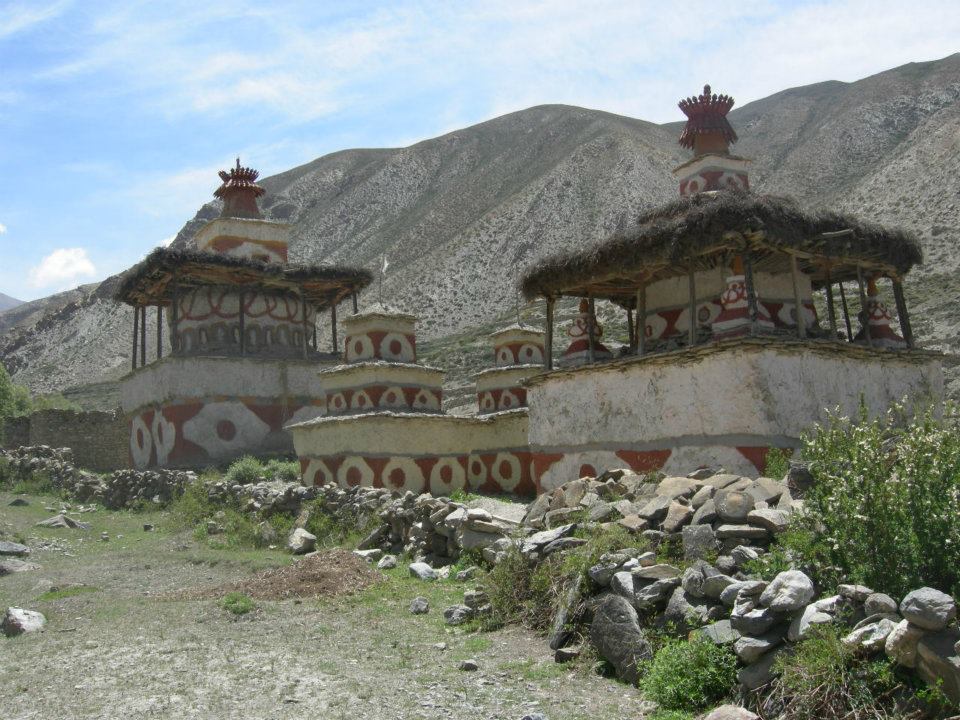
The high altitude temple of Déden Samten Ling, or in its shortened form simply Samling, has been significant in the preservation of the Yungdrung Bön religious tradition. The main temple was established more than 900 years ago by Yangtön Gyaltsen Rinchen in a remote and mountainous region of Dolpo, Nepal near the Tibetan border. Since that time, this monastery, as well as others in Dolpo, has been maintained by a hereditary line of lamas within the Yangtön family. (For more information about the prestigious Yangtön family lineage, see previous post: https://ravencypresswood.com/2017/05/27/yangton-sherap-gyaltsen/)

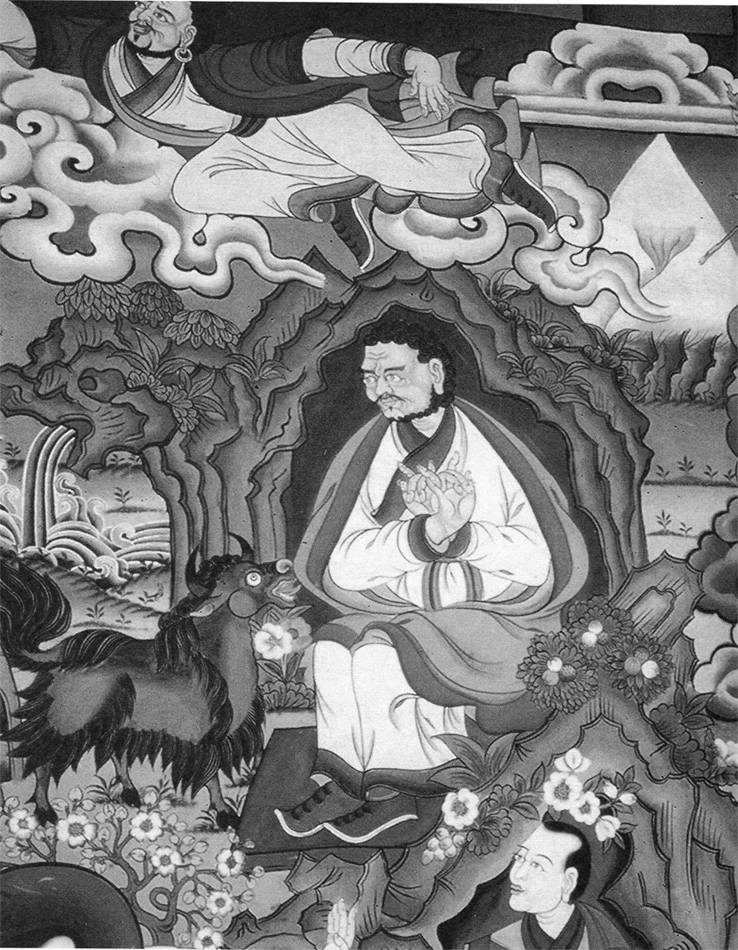
According to a text detailing the history of the Yangtön family lineage, some time during the 13th century Yangtön Gyaltsen Rinchen was staying near Mt. Tisé in Western Tibet [Mt. Kailash] when he was visited in a dream by the Bönpo sage and great lama Drenpa Namkha who instructed him to travel to Dolpo and build a temple. Having traveled the long distance to Dolpo and searched throughout its rugged terrain, Yangtön Gyaltsen Rinchen had a series of auspicious dreams while staying in the area of Bijer that convinced him that he had finally found the proper place to construct a Yungdrung Bön temple.
He became the first of many Yangtön lamas at Samling to collect and preserve sacred Yungdrung Bön texts. Because of this, many volumes of scripture have been preserved throughout the course of many centuries. It was during a trip to Samling Monastery in 1961 C.E. that Dr. David Snellgrove discovered a copy of the Zi Ji, a hagiography of Buddha Tönpa Shenrap. He subsequently wrote and published extracts from this text as one of the first English language translations of a Yungdrung Bön text, The Nine Ways of Bön. The Zi Ji volume that he consulted for his translation was estimated to be approximately 400 years old.
Currently, Lama Sherap Tenzin Rinpoche is the head of the monastery. He was born in 1953 C.E. and has received extensive religious training and has been trained in the science of Tibetan medicine.

Nine Ways has a new Shop! Click the tap at the top of this page to see what practice support items are available. Currently, the Nine Ways Shop is fundraising in support of a memorial chorten that will be built in Tsarka Dolpo, Nepal for Yangtön Lama Tashi Gyaltsen. For more information about this chorten, go to this article: https://ravencypresswood.com/2025/10/18/in-support-of-a-memorial-chorten-for-yangton-lama-tashi-gyaltsen-rinpoche/
Raven Cypress Wood ©All Rights Reserved. No content, in part or in whole, is allowed to be used without direct permission from the author.
Did you enjoy this content? This article is made possible by generous donors who want content like this to continue to be available. Don’t want to miss a post? Scroll to the bottom and click “Follow this blog.”
Join the mandala of Nine Ways supporters by donating through one of the services listed below.



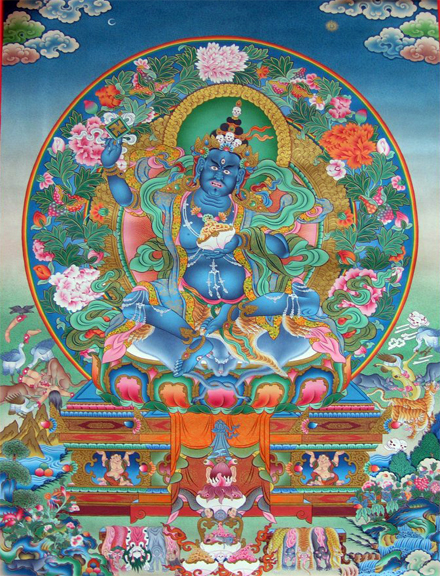 (As a meditational deity, Drenpa Namkha is most often depicted in a semi-wrathful form, blue in color and holding a yungdrung in his right hand.)

 Nine Ways