Category Archives: Uncategorized

Yungdrung Bön in Mongolia

His Eminence Menri Ponlop Yangtön Thrinley Nyima Rinpoche officiates the opening of Thegchen Zhidé Dargyé LIng. Photo credit: Unknown

On December 19, 2019 a new Yungdrung Bön temple was officially inaugurated by His Eminence Menri Ponlop Yangtön Thrinley Nyima Rinpoche upon the request of its founder, Khenpo Menri Geshe Zöpa Gyatso Rinpoche. The temple is named Thekchen Zhidé Dargyé Ling, Land of the Great Vehicle where Peace and Happiness Flourish. On December 15th, His Eminence performed the rituals for consecrating and opening the eye for the new deity statues for the temple. On December 16th, His Eminence met with special guests and those who helped to establish the new temple.

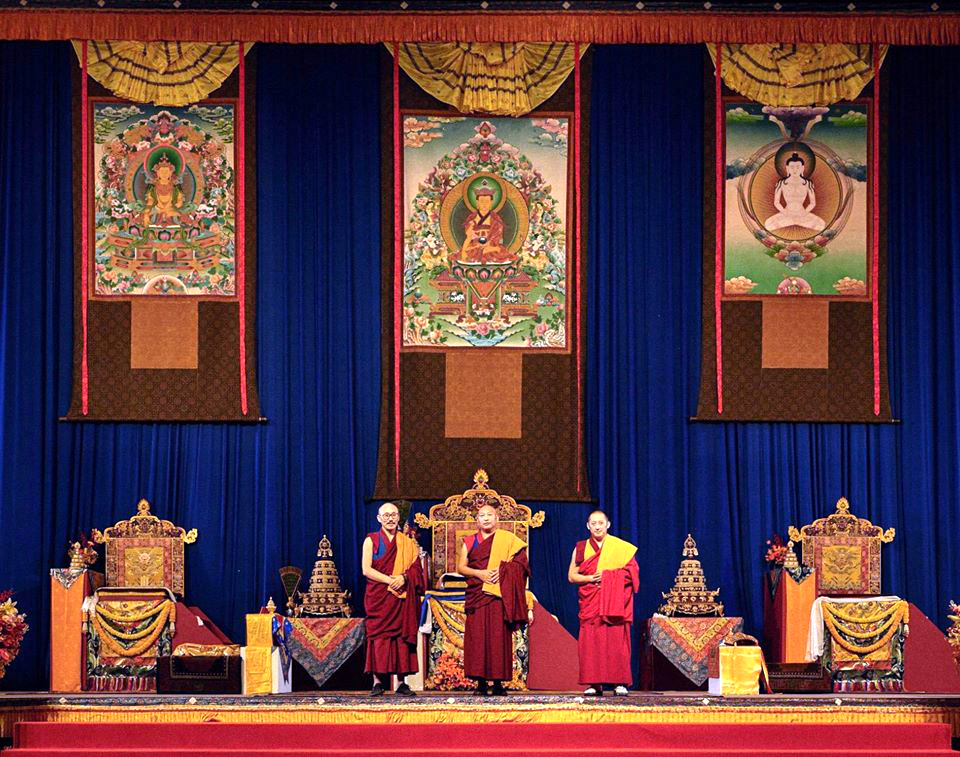
The public looks on as HE Menri Ponlop Rinpoche officially opens the new temple in Mongolia. Photo credit: Unknown

Beginning on December 17th, HE Menri Ponlop Rinpoche gave the oral transmission for the practice of Sherab Jamma and Laughter of the Khandro to a gathering of monks and laypeople. On December 19th, His Eminence officially opened the new Yungdrung Bön temple, Thekchen Zhidé Dargyé Ling. In attendance were representatives of the Jonang Religious tradition, the Nepal Zhang Zhung organization, the Nepal Bönpo organization, and the Dolpo Tapihritsa School. After His Eminence cut the ribbon, the guests entered the new temple. Representations of enlightened body, speech and mind were presented which was followed by the ritual of the great lama Drenpa Namkha. After the ritual had concluded, each of the representatives had an opportunity to give a short speech.

Afterwards, HE Menri Ponlop Rinpoche spoke about the spread of Yungdrung Bön into Mongolia in the distant past. In 888 A.D., the Mongolian slave Sokpo Trel Lakchen received full ordination as a Yungdrung Bön monk from Muzi Salzang. At that time, he received the ordination name Tribar Tsultrim. Afterwards, Bön declined in Mongolia. Therefore, this is not the first spread of Bön into the country. However, through Khenpo Menri Geshe Zöpa Gyatso Rinpoche the Bön teachings are being restored in Mongolia.

He also relayed a message from His Holiness 34th Menri Trizin Rinpoche that he offered his full support and blessings and gifted the temple a golden statue of Nyammé Sherap Gyaltsen. From Yongdzin Mawé Wangpo Rinpoche, the temple was gifted both scriptures and a large thangkha. HE Menri Ponlop Rinpoche gifted the temple a golden statue of the great lama Drenpa Namkha.

Raven Cypress Wood ©All Rights Reserved. No content, in part or in whole, is allowed to be used without direct permission from the author.

Don’t want to miss a post? Scroll to the bottom and click “Follow this blog.”

Yungdrung Bön in Thailand

HH 34 Menri Trizin Rinpoche, Khen Tenpa Yungdrung Rinpoche and the founder of Himalaya Zhang Zhung Dzogchen Ling, Khen Akarpa Rinpoche. Photo credit: Unknown

On December 12, 2019, Himalaya Zhang Zhung Dzogchen Ling celebrated their 10 year anniversary with special guests His Holiness 34th Menri Trizin Lungtok Dawa Dargye Rinpoche and His Eminence Khenchen Lungtok Tenpa Yungdrung Rinpoche. This Yungdrung Bön center was founded in Bangkok, Thailand in 2009 by Khen Rinpoche Akarpa Chime Lozang. Some of the events to mark the special occasion included a talk on the subject of Mawé Sengé, performance of the Three-fold Practice of the Mother Tantra, the sacred dance of the enlightened protector Yeshé Walmo, and offering the body through the practice of chod. Khen Akarpa Rinpoche gave a talk on the view, meditation and conduct according to the unsurpassed vehicle of the great perfection.

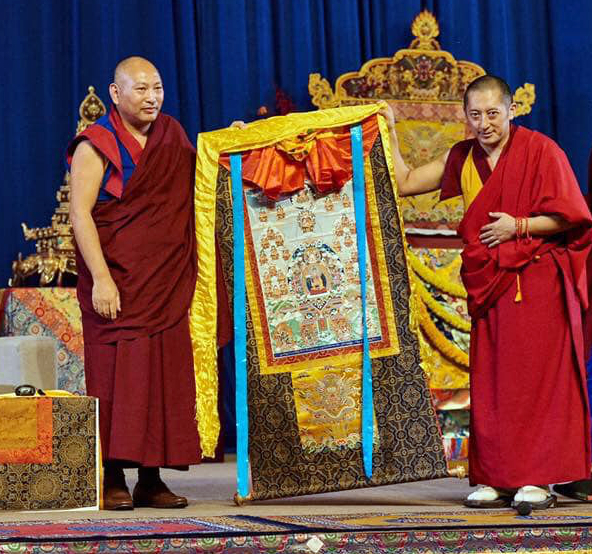
HH 34th Menri Trizin Rinpoche presents Khen Akarpa Rinpoche with a thangkha of the successive Menri abbots. Photo credit: Unknown

Khen Rinpoche Lungtok Tenpa Yungdrung spoke about the history of the great perfection teachings of The Aural Transmission of Zhang Zhung including the five-fold advice of Lama Dawa Gyaltsen. His Holiness 34th Menri Trizin Lungtok Dawa Dargye Rinpoche presented Himalaya Zhang Zhung Dzogchen Ling with a thangkha of the successive abbots of Menri Monastery whose central figure is the saint His Holiness 33rd Menri Trizin Lungtok Tenpé Nyima Rinpoche.

Performance of the sacred dance of the protector Yeshe Walmo. Photo credit: Unknown

Raven Cypress Wood ©All Rights Reserved. No content, in part or in whole, is allowed to be used without direct permission from the author.

Don’t want to miss a post? Scroll to the bottom and click “Follow this blog.”

The Lotus Hat of the Yungdrung Bön

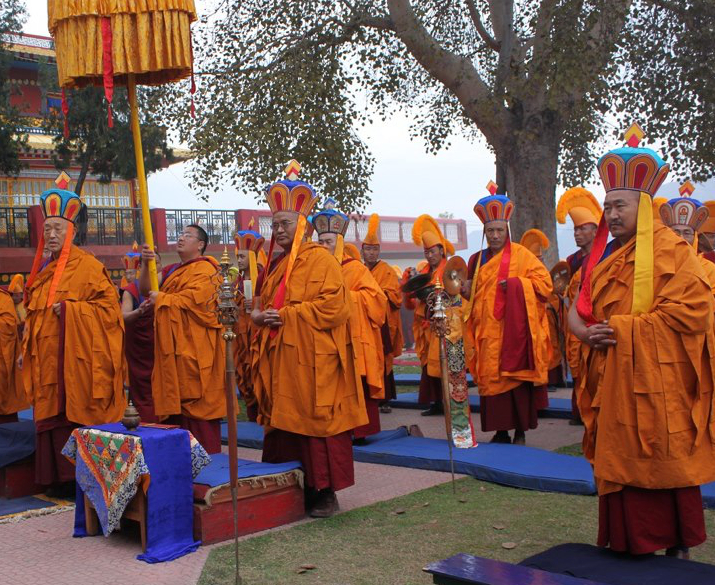
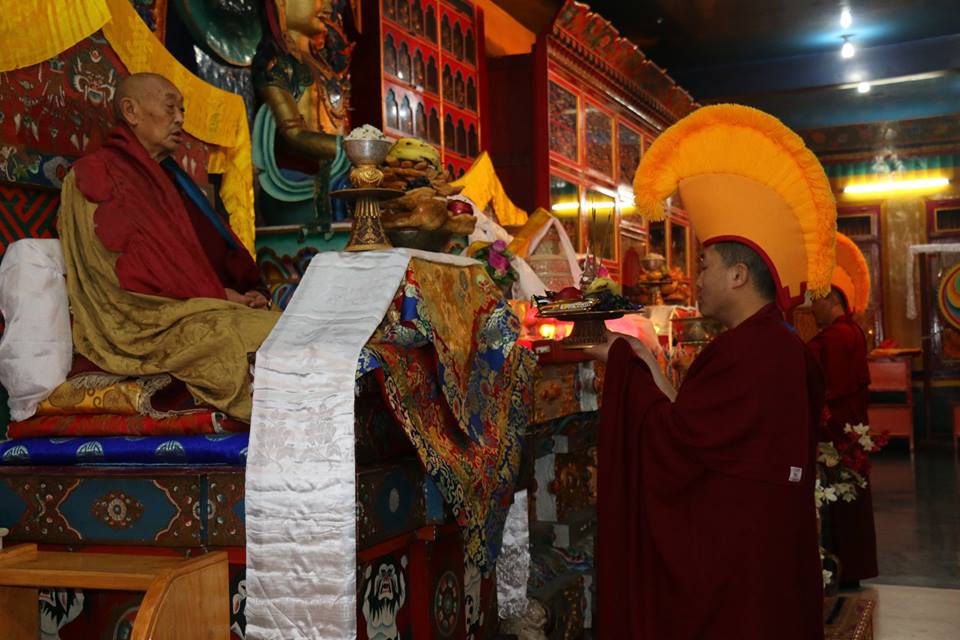
Religious festival at Menri Monastery 2015. Photo credit: Unknown

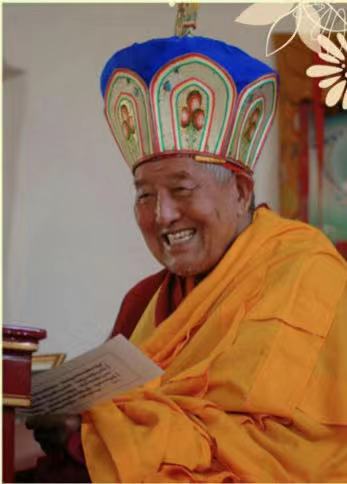
Within the Yungdrung Bön religious tradition, the lotus hat is worn by those who have received the full ordination of a renunciant. The shape of the hat resembles a full, blue lotus. In general, it represents the purity of perfecting the rules of completely pure discipline. It is surrounded by either four, six or eight lotus petals that represent purification throughout the four directions. The thread which holds the lotus petals to the hat represents the activity of subduing throughout the intermediate directions. The twenty-five pleats represent the enlightened state of the five buddha families. At the crown of the head, there is an opening to attach the crown ornament which extends from the hat towards the sky.

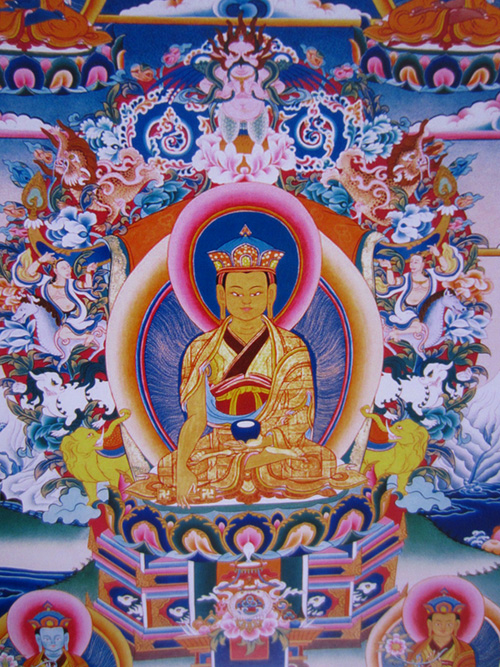
Tönpa Tritsuk Gyalwa.

The founder of the Yungdrung Bön religious tradition, Buddha Tönpa Shenrap Miwoche showed the path of renunciation by becoming a monk at the age of 31. This was his ninth deed. (For more information about the Buddha’s ninth deed, see previous article: https://ravencypresswood.com/2017/06/24/buddha-tonpa-shenraps-ninth-deed/ ) At his ordination, the six kinds of garments for a Yungdrung Bön renunciant fell from the sky. One of these garments was the lotus hat.

HE Yongdzin Tenzin Namdak Rinpoche wearing a lotus hat with the strips of cloth hidden underneath. Photo credit: Unknown

The long, thin strips of cloth that hang from the base of the hat near the ears are not mentioned within the texts. Therefore, the esteemed Yungdrung Bön spiritual master and scholar His Eminence Yongdzin Tenzin Namdak Rinpoche has stated that although it has become traditional to add them to the hat, they are not needed. Because of this, he sometimes takes these strips of cloth and places them inside the hat before putting it on.

All translations and content by Raven Cypress Wood ©All Rights Reserved. No content, in part or in whole, is allowed to be used without direct permission from the author.

Don’t want to miss a post? Scroll to the bottom and click “Follow this blog.”

The Meaning & Benefit of Offering Torma

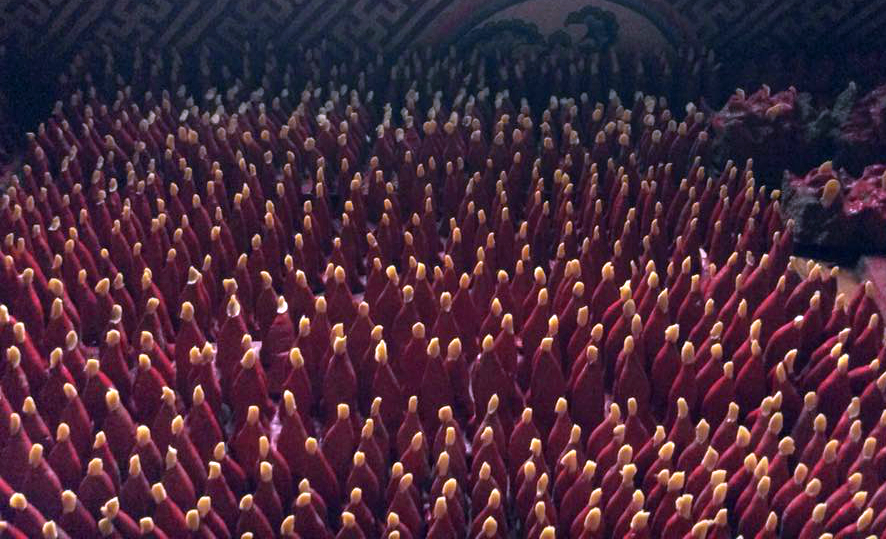
100,000 torma offering to the enlightened protector Sipé Gyalmo. Photo credit: Unknown

The offering of torma is a common practice within the Yungdrung Bön religious tradition. The Tibetan term “torma” [gtor ma] literally means “something that is thrown, tossed, or strewn.” This refers to the action of many kinds of torma being tossed into the sky as an act of offering. However, not every torma is offered in this way. External torma can be offerings of the three white things: butter, milk, and salt-free cheese, and the three sweet things: honey, crystallized sugar, and dark sugar such molasses or maple syrup. External torma are also commonly made from roasted barley flour called tsampa which is mixed with sacred substances and shaped according to the particular kind of offering being made. In general, peaceful offering torma of this kind have a round base and wrathful torma have a triangular base. One of the many kinds of daily offering torma within the Yungdrung Bön tradition is the water torma which is one of the four daily offerings of generosity.

Buddha Tönpa Shenrap Miwoché was born into the human realm in the ancient land of Tazik. He only traveled into the country of Tibet one time. During this brief visit, his teachings to the Tibetan people were centered around compassion and the use of torma as offerings as a substitute for killing animals to use as offerings.

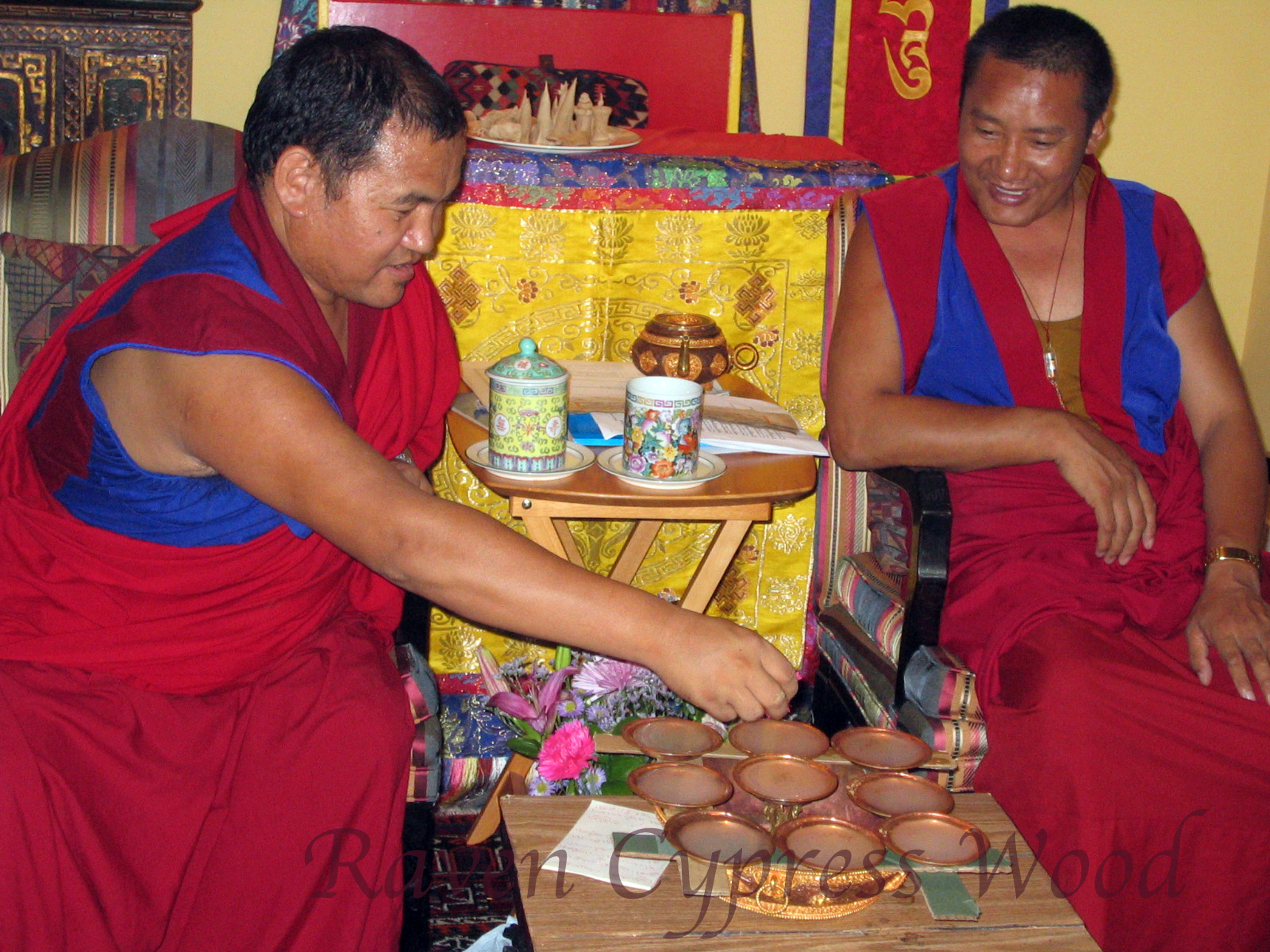
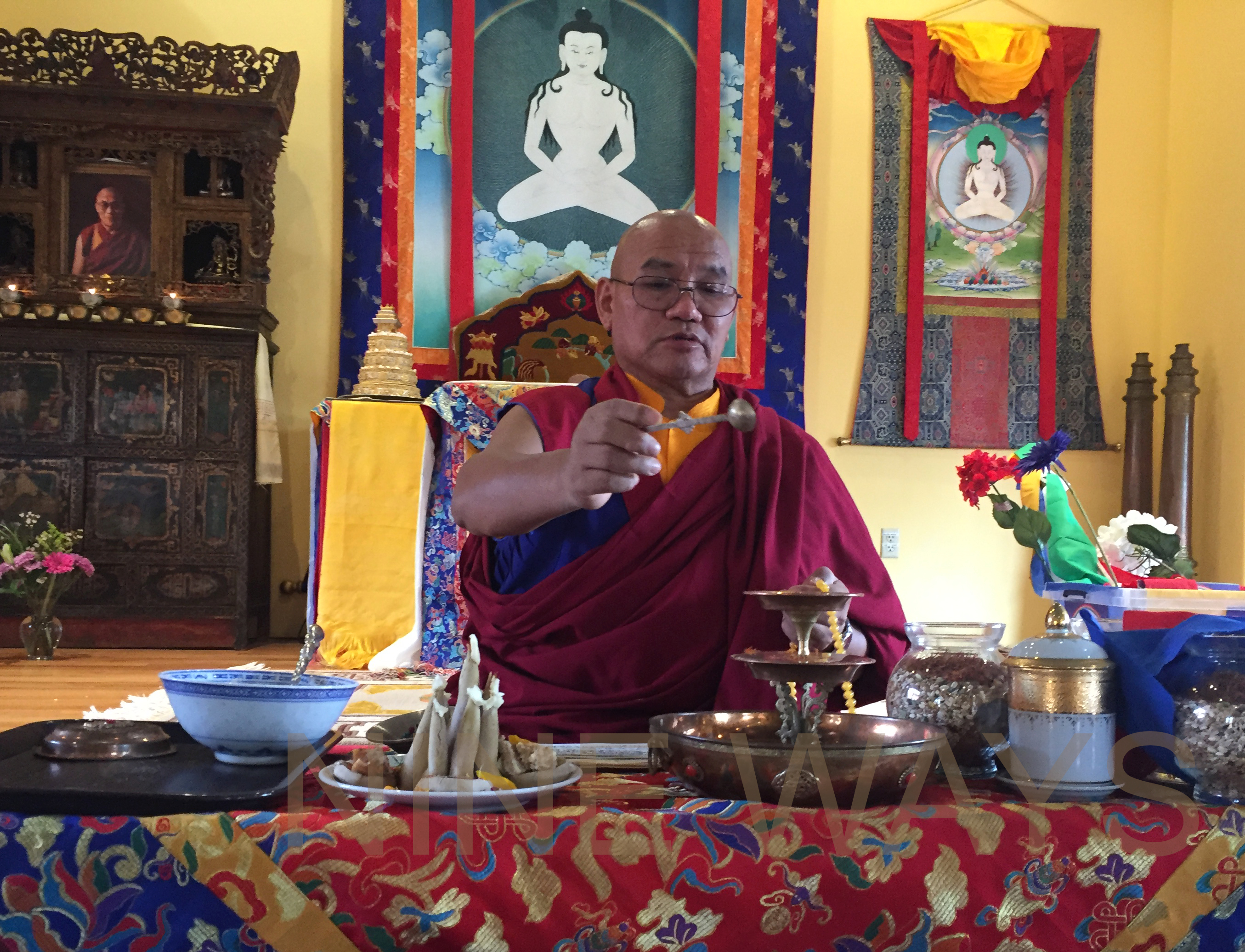
Geshe Nyima Kunchap Rinpoche and Geshe Tenzin Yeshe Rinpoche prepare to perform the daily water torma offering. Photo credit: Raven Cypress Wood

Every kind of torma offering has three parts: the preparation, the main practice and the conclusion. The specifics of these are according to the particular practice being performed and the kind of torma being offered. In general, When preparing the torma, the hands and utensils are washed and any container or plate used to present the torma must be clean and without any defect or damage. After being properly made and arranged, it must be ritually cleansed with incense and water. Having generated an intention of compassion and generosity, the torma is offered to a clean place. When possible, the torma are tossed onto roofs as being a place free of the defilement of having been walked upon and also being a higher place to offer to higher beings. For offering to lower beings, the torma are placed upon the ground in a clean place.

“Come here now and keep your protection vow! Accept these offerings of smoke and torma! Act as a companion to me! Expel the causes for harm and obstacles! Act to accomplish this entrusted activity!” 

— Extract from The Invocation of Chammo Lamlha, Goddess of Travel

Various peaceful and wrathful torma offerings. Photo credit: Raven Cypress Wood

The recipients of the torma offerings are both the enlightened beings as well as the six kinds of beings within cyclic existence. The recipients can be classified in many ways. They can be classified into four categories known as “The Four Guests.” These are 1) the guests of reverence which are the enlightened beings, 2) the guests of exalted qualities which are the powerful, worldly protectors, 3) the guests who are among the eight classes of spirits and demons, and 4) the guests of compassion or charity. We offer to the enlightened beings to purify our sacred commitments with them, elicit their blessings and protection, and to develop our positive qualities of devotion and generosity. We offer to the worldly protectors in order to elicit their powerful and magical protection. We offer to the eight classes of spirits and demons in order to repay any karmic debts that we might owe to them so as to pacify any feelings of revenge or harm that they might harbor against us. And we offer to the guests of charity to alleviate their suffering and misery.

Torma offerings for the lu. Photo credit: Raven Cypress Wood

“I offer this inexhaustible, decorated torma to the twenty-five classes of lu* who are surrounded by millions of friends and associates. Because we dig the earth, break the rocks, chop down trees, drain the ponds and streams, create contaminated smoke, and commit immoral acts near the homes and places of the lu; they faint, go mad, become angry, or grow weak.

Regardless of whatever violence, disagreements, or ill will have occurred in the past, because of offering this torma of nectar, may the diseases of the lu be pacified! May their hopes and wishes be fulfilled!”

— Extract from The Ritual of Regularly Giving Torma to the Lu

*Lu [Sanskrit: naga]

In general, the offering of torma increases wealth and resources. Secret torma is the offering of the body such as in the practice of chod. This conquers the view of the self as inherently existing. Ultimately secret torma is maintaining the view without self-grasping. This increases realization and is the greatest of all torma offerings.

Additionally, by offering torma we naturally practice six of the ten perfections.

  1. By giving food and water, we engage in the practice of perfecting generosity.
  2. By ensuring that everything is clean, we engage in the practice of perfecting discipline.
  3. By offering charity without greed or resentment, we engage in the practice of perfecting patience.
  4. By putting forth the effort to continually offer torma, we engage in the practice of perfecting joyful effort.
  5. By abiding in meditation, we engage in the practice of perfecting concentration.
  6. By understanding the emptiness of the giver, the recipient and what is given, we engage in the practice of perfecting wisdom.

The ritual specialist Geshe Nyima Kunchap Rinpoche offering a water torma to the lu. Photo credit: Raven Cypress Wood

By offering torma we engage in the vow of individual liberation through our act of generosity and therefore eliminating the mind of harming other beings, and we engage in the bodhisattva vow through offering to the guests of charity. Additionally, our longevity, merit, good fortune and personal power increase. And we purify the causes to be reborn into the lower realms.
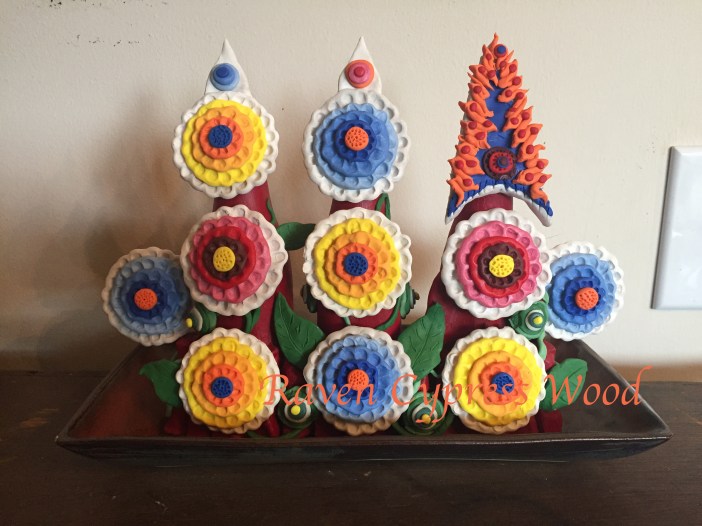
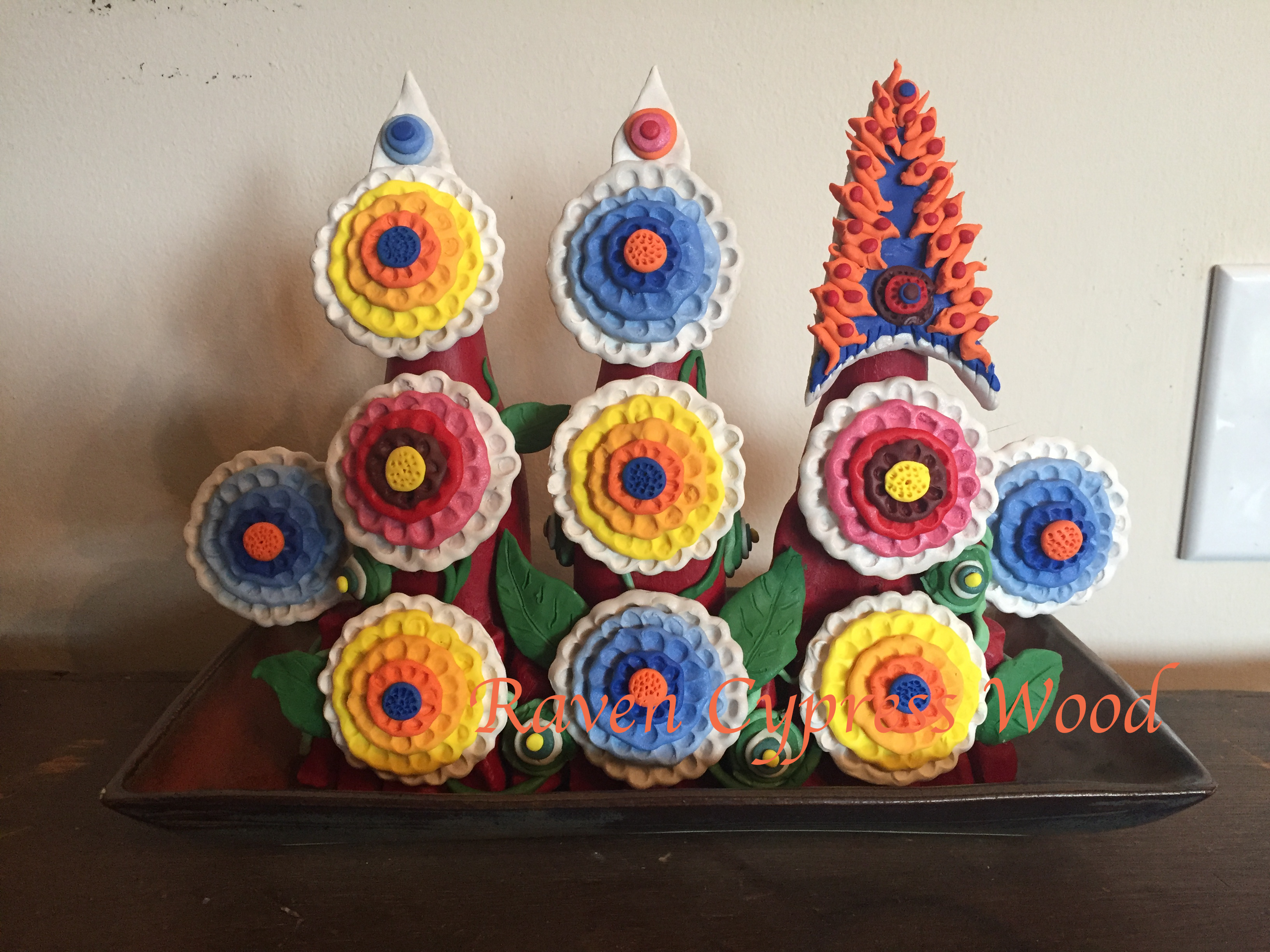
Yidam torma of the lama, yidam and khandro of the Mother Tantra. Photo credit: Raven Cypress Wood

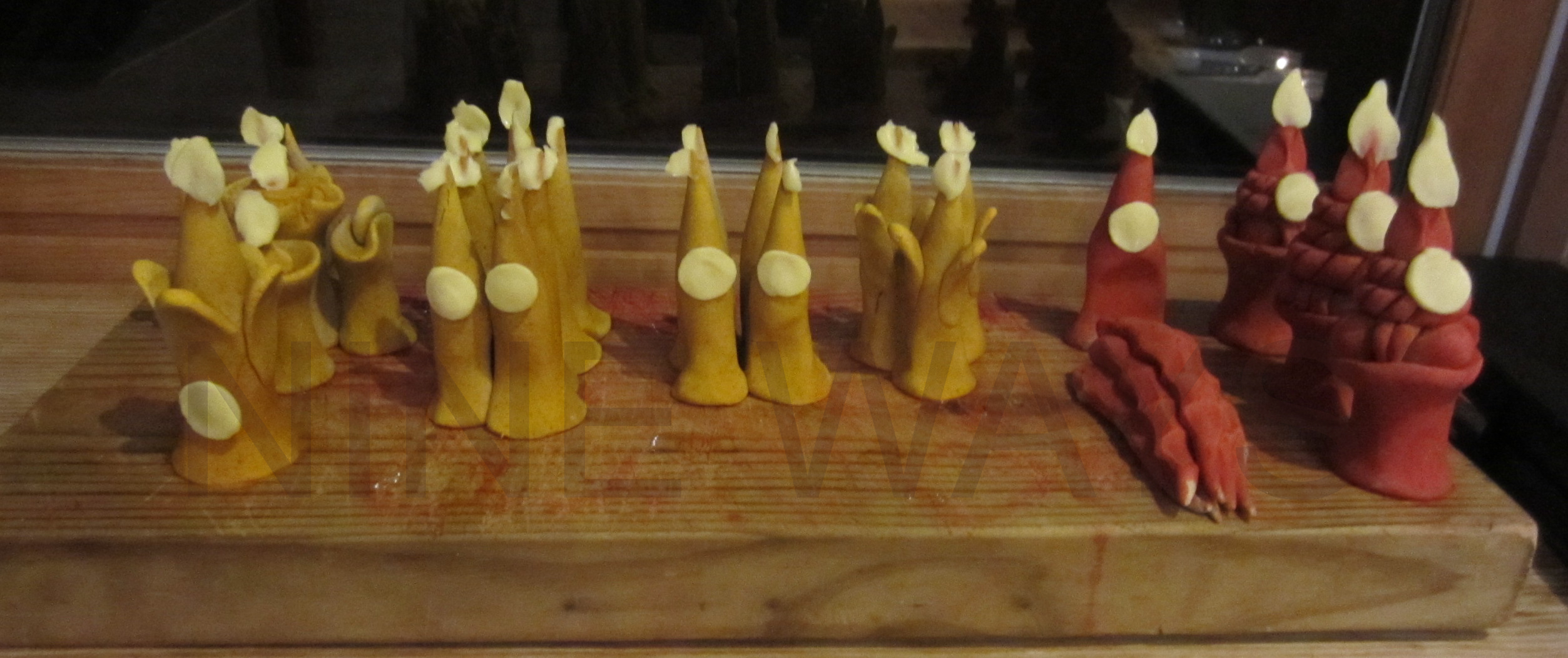
It is important to note the difference between “offering torma” and “yidam torma.” Although both are referred to as “torma” they serve very different purposes. A yidam torma is also prepared from tsampa mixed with sacred substances and has a specific form and attributes according to the associated meditational deity or yidam. However, the purpose of the yidam torma is to act as a sacred support for the presence of the deity during empowerments and meditation upon the yidam. This kind of torma is not offered. Once it has been consecrated, it is placed in the highest position upon the shrine and treated as the sacred abode of the deity.

All translations and content by Raven Cypress Wood ©All Rights Reserved. No content, in part or in whole, is allowed to be used without direct permission from the author.

Don’t want to miss a post? Scroll to the bottom and click “Follow this blog.”

Now is the Time

“Just like interested bees circle around lotuses that contain nectar, the faithful who have clear understanding circle around a genuine person who has good qualities.

Just like the nature of foul smells cannot remain near a sweet-smelling medicinal tree, conditions of harm and injury cannot remain near a person of good character.

Wise and excellent persons, now is the time to engage with virtue. If you do not plant in time, you will feel regret when the harvest is scarce.

If you practice according to the instructions now, then it will be impossible to have a disappointing result. Just like planting barley seeds, it is impossible for them to arise as any other grain.”

— Extracted verses from Good Sayings for the Stages of the Path written by His Holiness 8th Menri Trizin Sonam Yungdrung Rinpoche. He became leader of the Yungdrung Bön religious tradition in 1575.

All translations and content by Raven Cypress Wood ©All Rights Reserved. No content, in part or in whole, is allowed to be used without direct permission from the author.

Don’t want to miss a post? Scroll to the bottom and click “Follow this blog.”