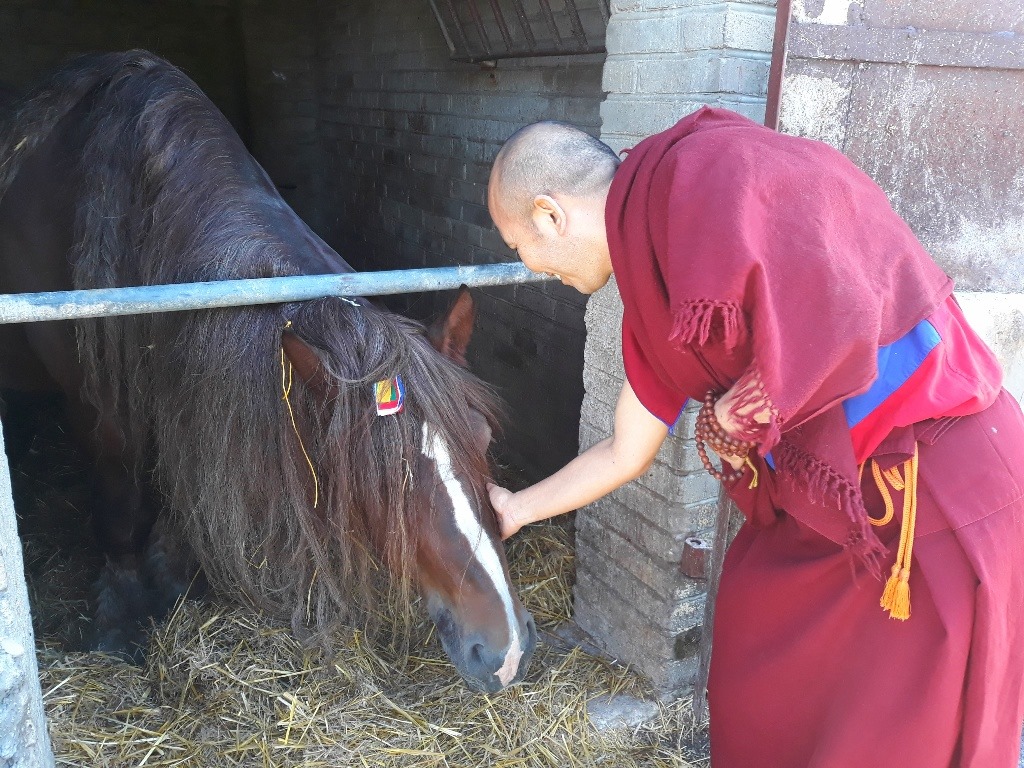
In both the Yungdrung Bön and the Buddhist religious traditions, the ritual known as “Life Release” is widely practiced. In Tibetan, the short name is “Tsé Thar” which means “to save or free life.” The full name of the ritual is “Tsé Thar Tang Tap, The Skillful Method of Saving the Life of Beings and Setting Them Free.” Animals that are destined to be slaughtered for food or slaughtered for other purposes are rescued and then set free to live out the full length of their natural lifespan. A sponsor purchases the animals, has the appropriate rituals performed, and then releases the animals back into their natural environment. In the Himalayas, this practice is commonly performed for domestic herding animals or for fish. Herding animals are marked with a special tag or sign that indicates their protected status.
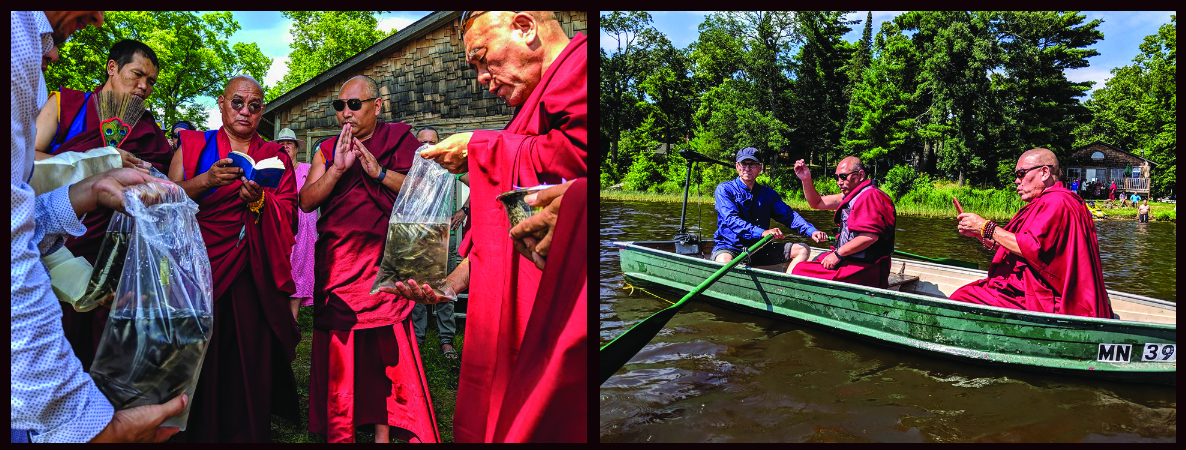
The human lifespan can be weakened or cut unnaturally short due to the seeds of our negative karma meeting with secondary conditions and resulting in accidents, ill health and disease. In the same way, the seeds of our positive karma meeting with secondary conditions such as participating in the life release ritual brings results such as restoring our natural lifespan and removing obstacles that could cause accidents, illness or disease.
The Tsé Thar ritual is specifically used to restore and protect the lifespan. Traditionally, it is performed during astrologically indicated obstacle years and when someone is seriously ill in order to reverse any negative circumstances contributing to the illness, and it is performed in order to protect and extend the longevity of loved ones, spiritual teachers, etc.
In this way, the life release ritual not only benefits the animals that are rescued, it also benefits the sponsors, those performing the ritual, and those for whom the ritual is dedicated. Additionally, the ritual is a practice of the two accumulations of merit and wisdom, it develops our compassion and loving kindness, and it develops generosity and purifies greed through the act of giving safety and protection.
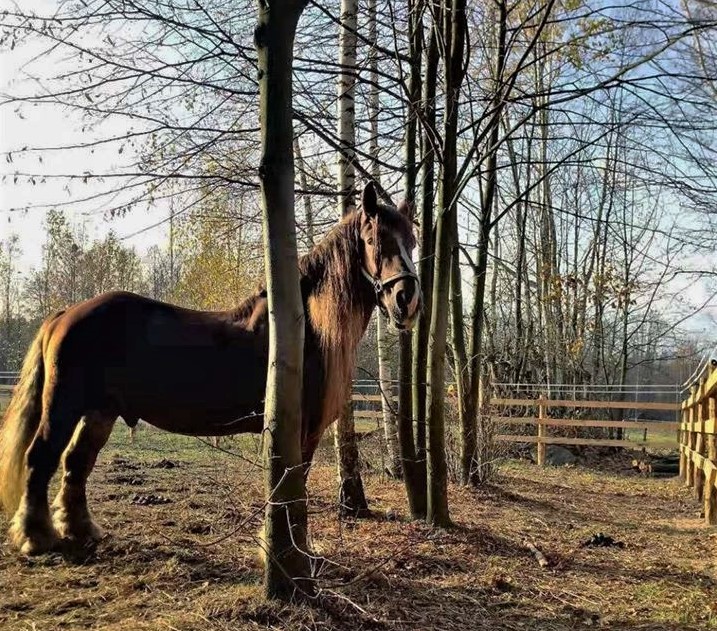
In 2018, a group of H.E. Menri Pönlop Thrinley Nyima Rinpoché’s students raised funds in order to rescue Azyl, a beautiful older horse that was destined to be slaughtered. He was moved to an animal sanctuary, the Tsé Thar ritual was performed and Azyl was given a symbolic badge of protection. Later, the Tsé Thar ritual was performed for all of the other animals living at the sanctuary.
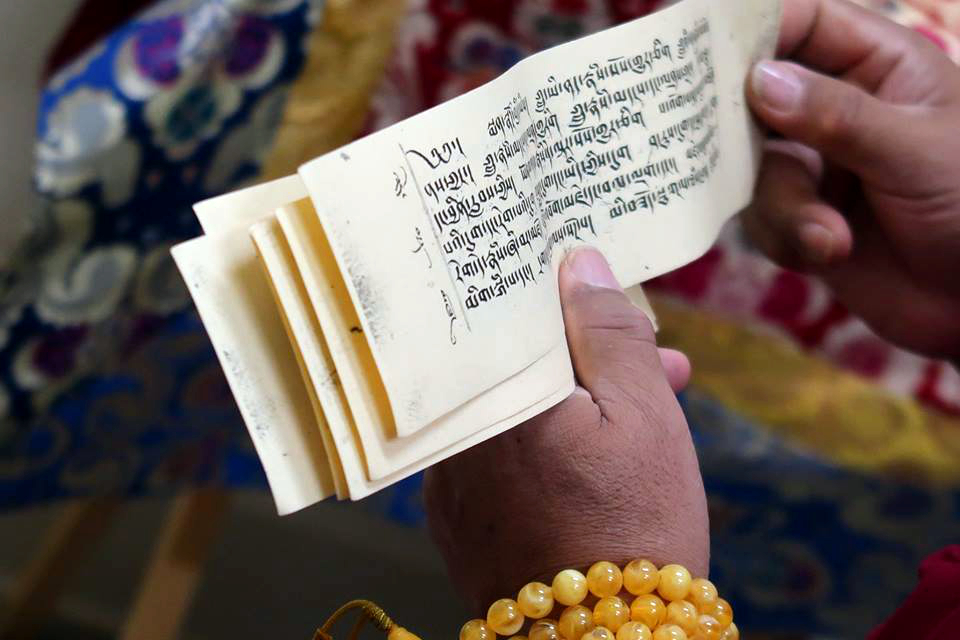
“Through the blessings of saving the lives of these beings and setting them free, may the lifespan be undiminished! May the lifespan be long! May joy and happiness be accumulated! May power and riches spread and flourish! You, animals whose lives have been saved, having attained a precious human body in the future, may you have the good fortune to practice the Yungdrung Bön!”
— Extract from The Skillful Method of Saving the Life of Beings and Setting Them Free
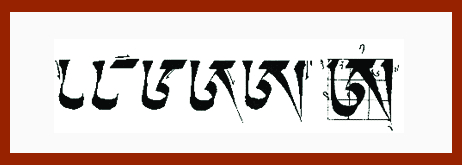
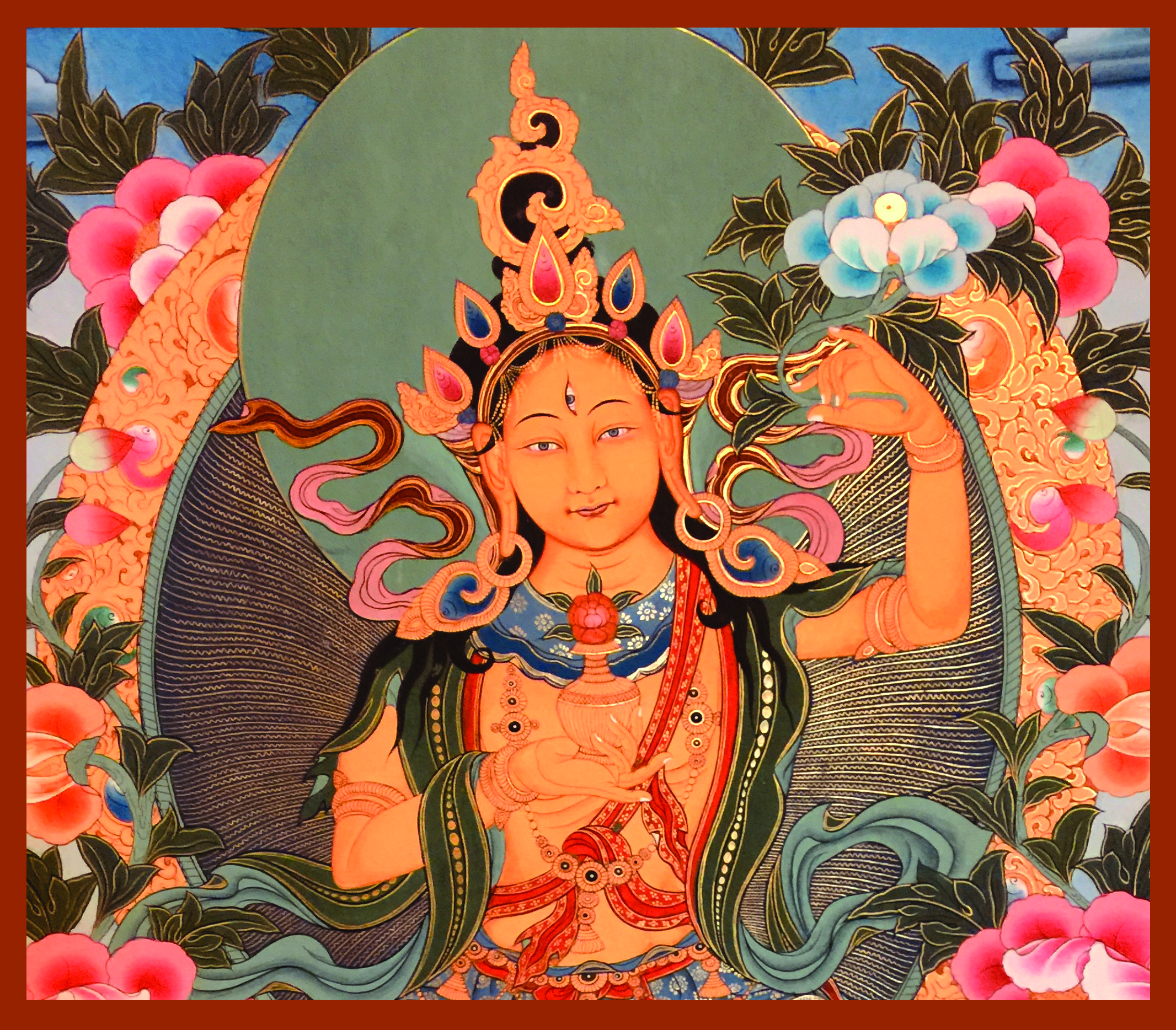
The Tsé Thar ritual begins with the preliminary practices of cleansing with water and smoke, setting a boundary, going for refuge, generating compassion and the intention of enlightenment, and the admission of wrongdoing and purification. The main part of the Tsé Thar ritual begins with specific mantras to generate the power of longevity and then a blessing and consecration. After that, the animals receive the empowerment of the sacred syllable ‘AH.’ In conclusion, prayers of aspiration, good fortune, and dedication are recited. To indicate that the animals are forever protected, a sacred badge containing the mantric syllables of the wisdom deity is affixed to the animals. In this way, animals destined for slaughter are forever protected and allowed to live out their natural lifespan while also having received sacred blessings and a connection to the teachings so that their future rebirth with be positive and they will have the opportunity to engage in spiritual practice.
Raven Cypress Wood ©All Rights Reserved. No content, in part or in whole, is allowed to be used without direct permission from the author.
Did you enjoy this content? This article is made possible by generous donors who want content like this to continue to be available. Don’t want to miss a post? Scroll to the bottom and click “Follow this blog.”
Join the mandala of Nine Ways supporters by donating through one of the services listed below.



 Nine Ways