Author Archives: Raven Cypress Wood

The Twelve Animals of Tibetan Astrology: 2020 Year of the Metal Rat

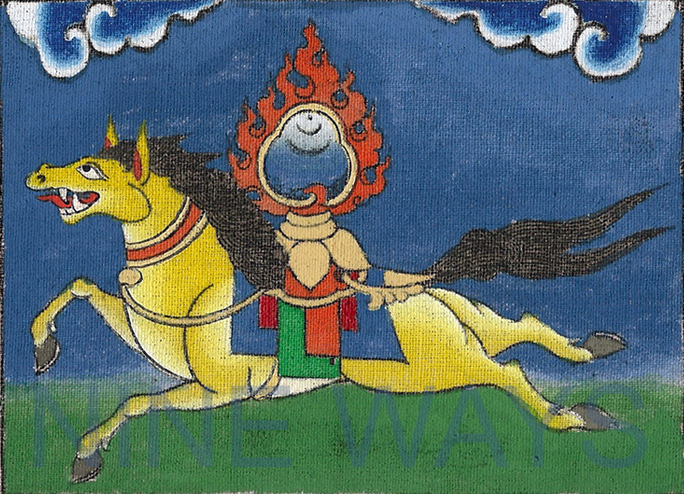
According to Tibetan astrology, there is a repeating twelve-year cycle.  Each year is characterized by a different animal and associated with one of the five elements.  Therefore, a full cycle of the twelve animals being associated with each of the five elements is sixty years.  The twelve animals according to the Yungdrung Bön texts are the Rat, Elephant, Tiger, Rabbit, Dragon, Horse, Snake, Sheep, Garuda, Monkey, Dog and Pig.  Each animal is associated with a specific element for its life-force as well as a specific direction which is determined by the life-force element.  Not only are these twelve animals associated with specific years, they are also associated with specific months, days and hours that attributed the characteristics of that particular animal.

Monday February 24, 2020 is the Tibetan New Year and begins the year of the Metal Rat.  Therefore, people born during this year would be a Metal Rat and would have an emphasis of the specific qualities associated with the Rat.  (It is important to remember that this year corresponds with the Tibetan lunar calendar which begins somewhere between February and mid-March each year.) In both the Tibetan and Chinese languages, the words for ‘rat’ and ‘mouse’ are the same. Similarly, the words for ‘iron’ and ‘metal’ are the same. So, it could also be referred to as the year of the iron mouse. However, because of the inference of meaning in the English language for these terms compared with the specific characteristic qualities they are meant to convey, it will be referred to as the year of the metal rat in this article.

People born during a Rat year will have an emphasis of the specific qualities associated with the symbol of the Rat.  According to Tibetan astrology, the element which governs the life-force of the Rat is Water and its positive direction is North.  So, if a Rat person wanted to strengthen their life-force, they would focus upon strengthening the element of Water internally and externally.  Because the positive direction is North, facing this direction while meditating, engaging in healing practices or just relaxing and taking deep breaths is beneficial.

In general, the Rat symbolizes prosperity because of their propensity to accumulate wealth and enjoy success. They can be generous with their wealth but they can also become overly attached to their luxury which can manifest as selfishness. The Rat is adaptable and flexible and can use most circumstances to their advantage. Because of this, they are successful with many of their objectives.

The Rat is colorful, charismatic and enjoys being around others. They can be generous and engaging, although these interactions can be motivated by a need to reinforce the ego and pride. Once they trust someone, they are sentimental and generous within the relationship and can be a trusted intimate. They appear smart and relaxed. However, when a Rat feels frustrated or betrayed it is important for them to rely upon their calm due to the possible reflex of aggression and revenge.

The Rat‘s soul day is Wednesday and its life-force day is Tuesday.  These are the best days for beginning new projects and activities that are meant to increase or develop something.  The obstacle day is Saturday.  This day is best for purification and letting things go.  It is not a favorable day for beginning new activities or risky activities.

Rat years include: 1948, 1960, 1972, 1984, 1996, 2008, and 2020

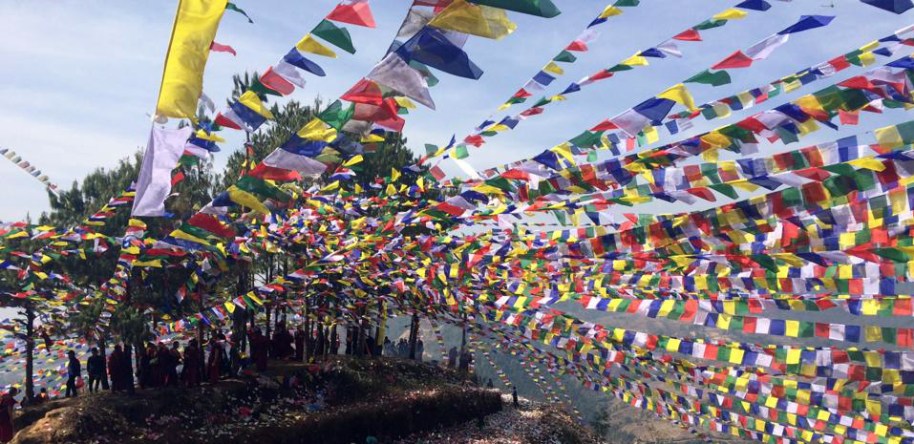
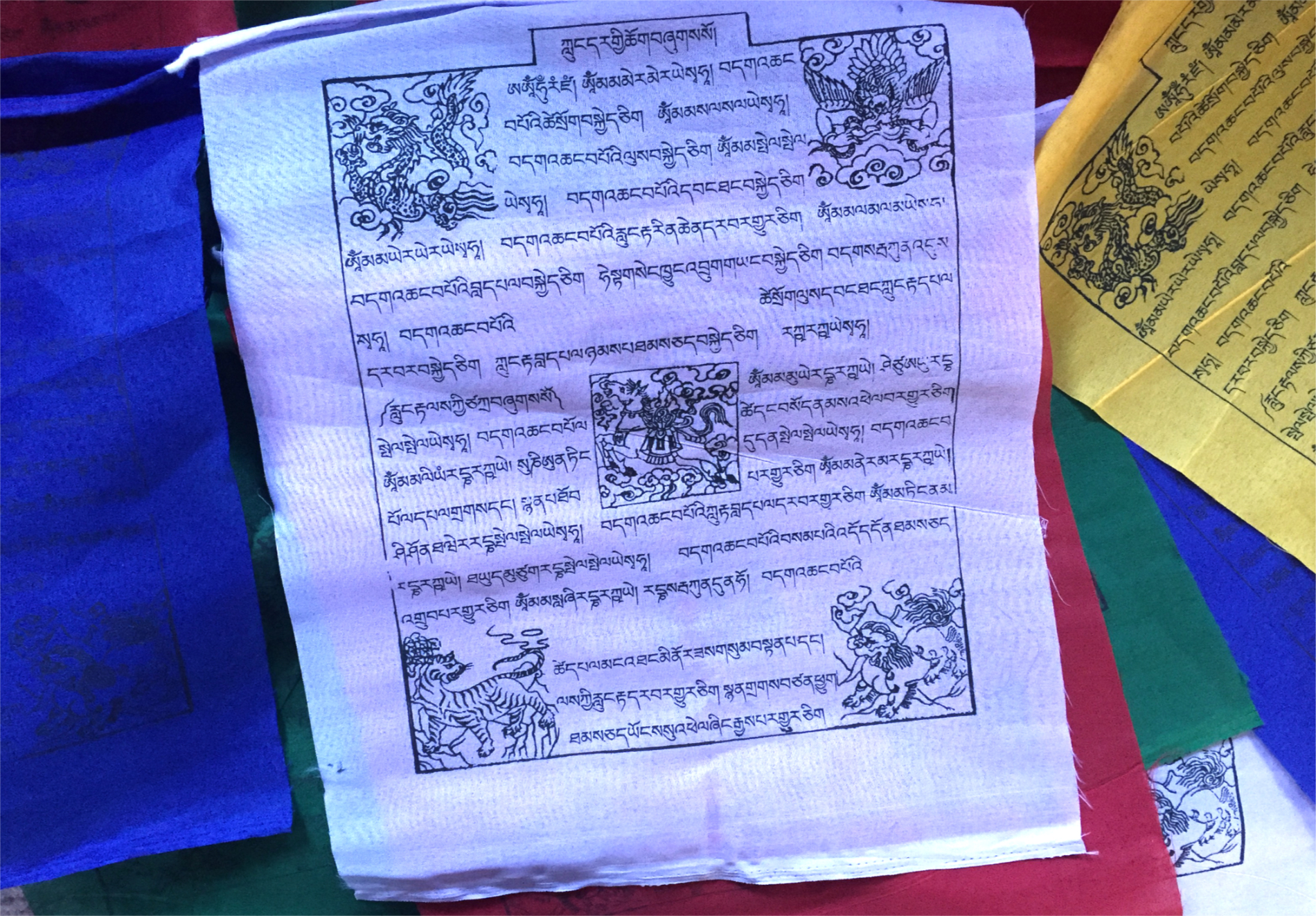
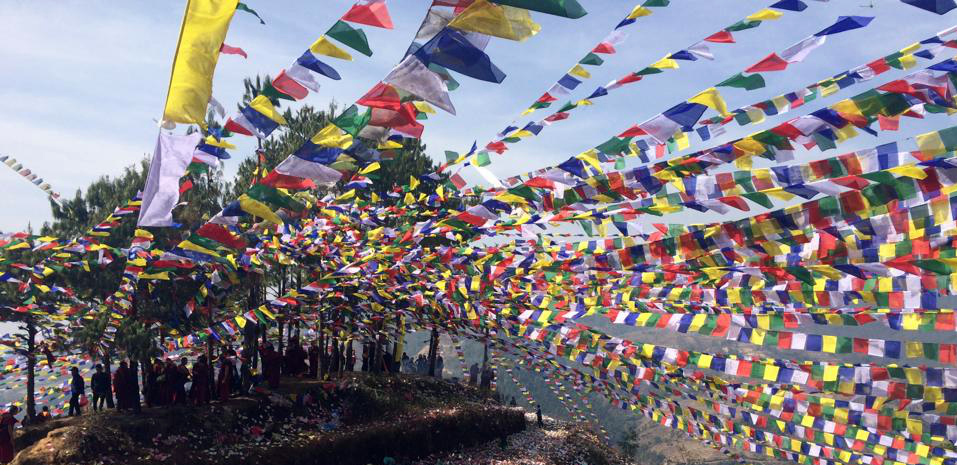
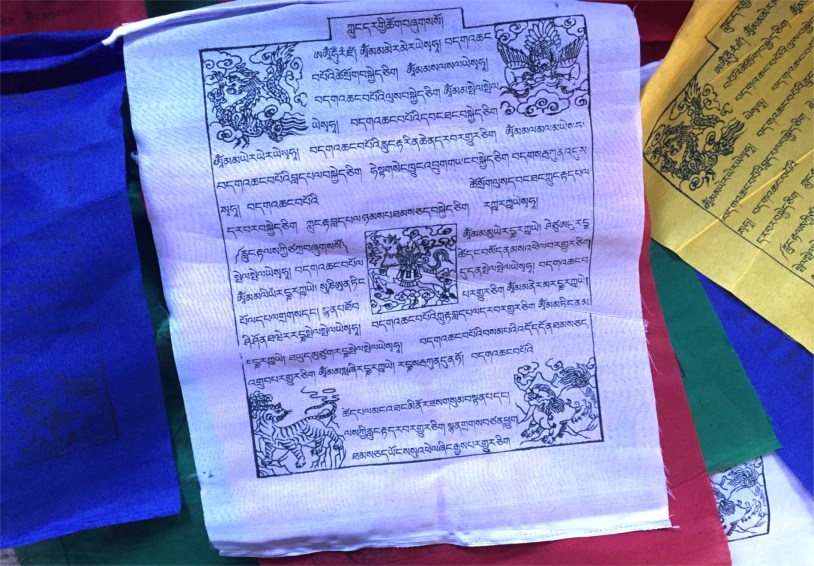
If you were born during a previous year of the Rat, this year as well as other Rat years are considered a time of vulnerability to obstacles. This same astrological principal applies for all of the other eleven animal signs during their associated year. Therefore, it is recommended to engage in practices that support vitality, good fortune and spiritual merit such as hanging prayer flags, having a soul and life-force retrieval ritual performed, restoring any deterioration or violation of one’s spiritual commitments or any damaged relationship with one’s spiritual brothers and sisters, and/or performing prayers and rituals to remove obstacles. In general, making an effort to engage more with virtuous activities of body, speech and mind and committing to engage less with non-virtuous activities is supportive. According to the words of Buddha Tönpa Shenrap Miwoché, the practice of developing sincere unbiased and unlimited compassion is the greatest of all protections.

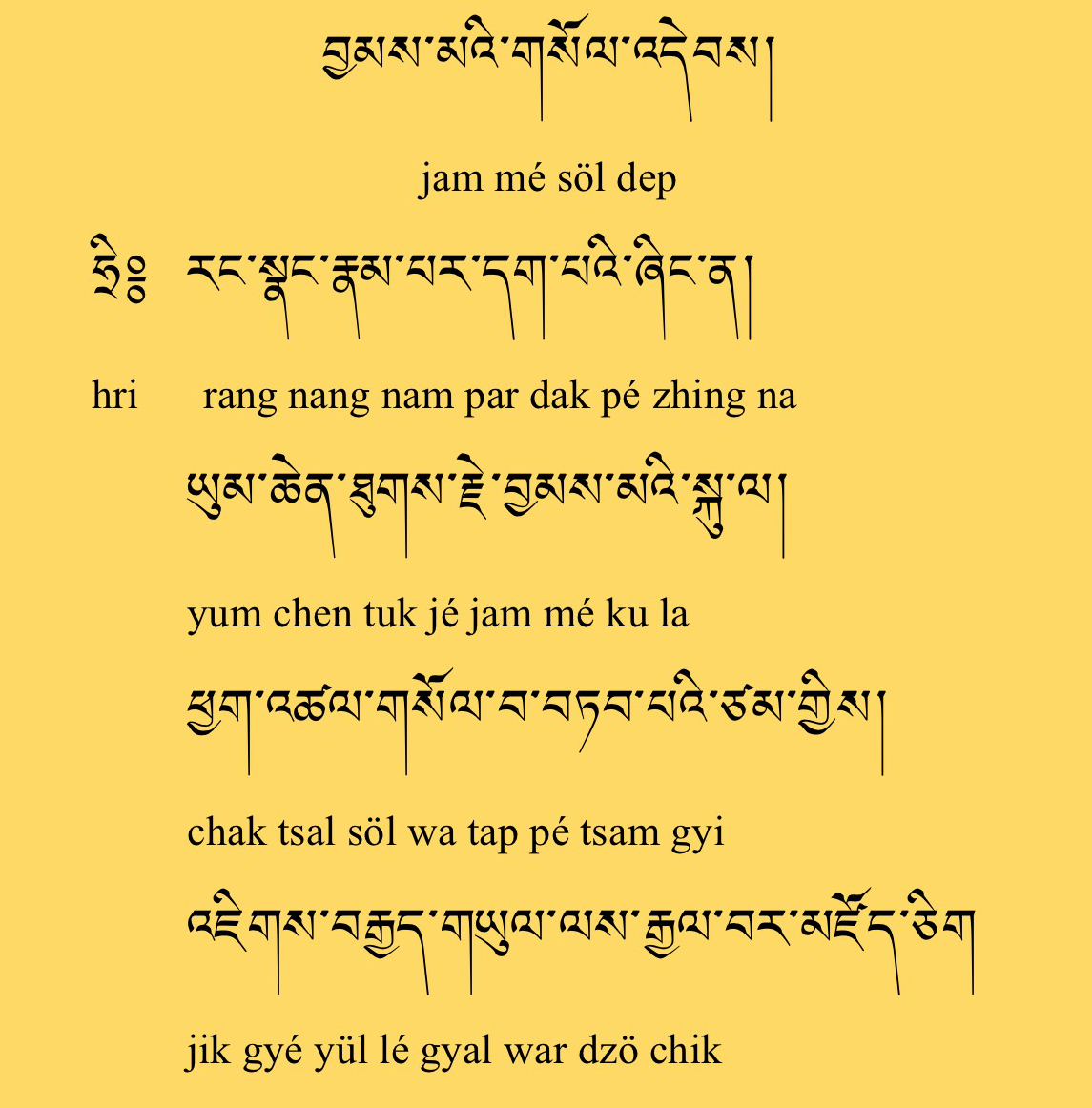
A common prayer within the Yungdrung Bön tradition that is used to remove obstacles is the Bar Che Lam Sel, The Spontaneous Wish-fulfillment of Removing Obstacles from the Path. The English, Spanish and Portuguese translations of this prayer are offered free for personal use on the Nine Ways Publications page. Click on the Publications tab above and scroll down to the download links for the prayer.

All translations and content by Raven Cypress Wood ©All Rights Reserved.

No content, in part or in whole, is allowed to be used without direct permission from the author.

Don’t want to miss a post? Scroll to the bottom and click “Follow this blog.”
An Aspiration Prayer of Giving and Receiving: Gift Translation

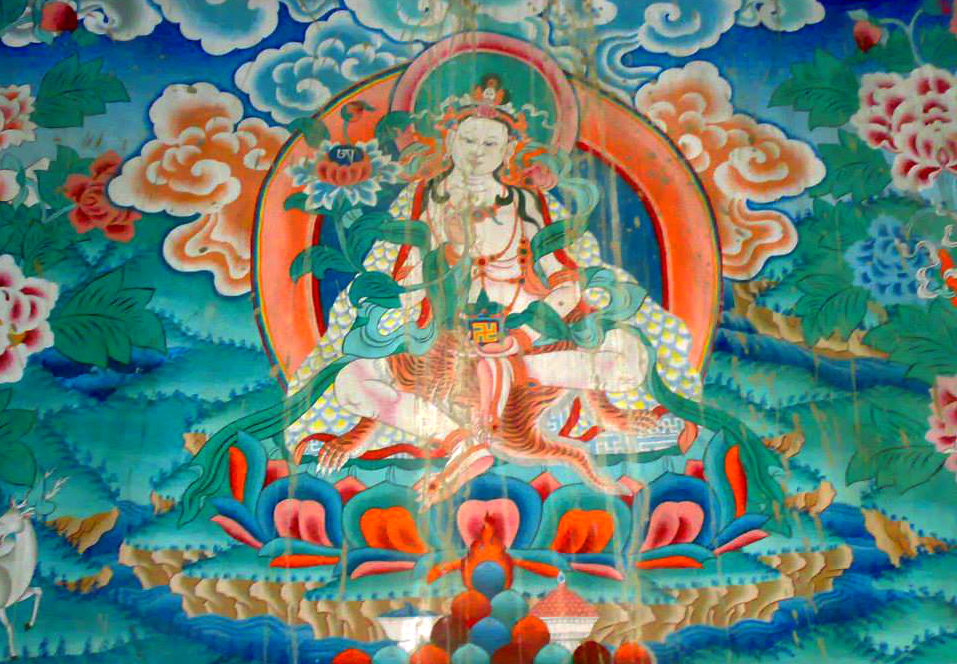
The modern-day saint Shardza Tashi Gyaltsen Rinpoche depicted as both a yogi and a scholar.

As a gift to the world-wide Yungdrung Bön sangha in order to support their spiritual practice, Nine Ways is offering a free and publicly available download for the English translation of the prayer Tonglen Mönlam: Aspiration Prayer of Giving and Receiving written by Shardza Tashi Gyaltsen Rinpoché. The Tibetan word tonglen [Tib. gtong len] literally means to give and to receive. In general, this practice is used to develop an unbiased and unlimited quality of compassion.

The sutric practice of tonglen supports practitioners to develop the wisdom of equanimity and the quality of compassion towards all other sentient beings that are suffering and seeking happiness without restrictions towards those considered strangers or enemies. From that openness and having generated an authentic heart-felt compassion, the suffering of others is accepted through the inhalation of the breath. With the exhalation, whatever is needed or wanted for their happiness is sent to them. When beginning the practice, it can be supportive to begin with sentient beings for whom there is a natural openness and kindness and then to expand to those for whom there are neutral feelings and then to those for whom there are uncomfortable or negative feelings. This same perspective can be used for one’s own suffering and feelings of discomfort.

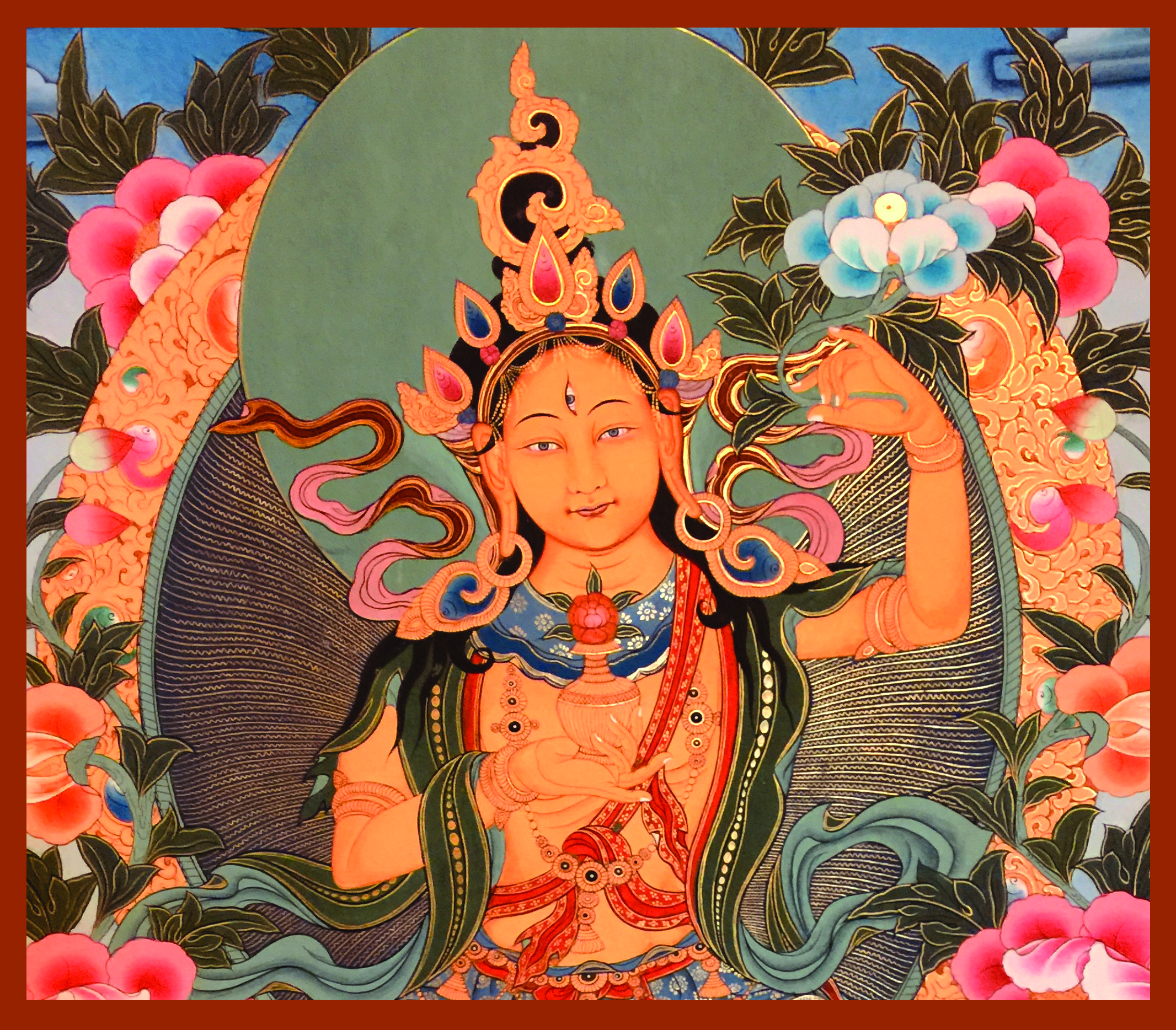
In this prayer, the realized saint Shardza Rinpoché begins by taking refuge in the three jewels and relying upon the truth of the teachings. He then prays to ripen both the suffering and the happiness of sentient beings. This line is further explained near the end of the prayer in the phrase “having liberated both happiness and suffering into the space of the primordially pure base…” These lines point out that the ultimate nature of both happiness and suffering is the same pure space from which everything arises and everything dissolves. Therefore, when breathing in the suffering of others, it is with this realization that the suffering liberates into the pure, primordial space of wisdom.

The translation if offered for free but is restricted to personal use only. The download link for the English translation of the prayer can be found here: https://drive.google.com/file/d/1cTqrSneJpPCnsjxqOClkDU5euRfaxmHY/view?usp=sharing

For other free translations and publications of Yungdrung Bön texts, go to the Publications page of this website or click on this link: https://ravencypresswood.com/publications/

All translations and content by Raven Cypress Wood ©All Rights Reserved.

No content, in part or in whole, is allowed to be used without direct permission from the author.

Don’t want to miss a post? Scroll to the bottom and click “Follow this blog.”
A New Abbot of Barlé Gompa

Khenpo Nyima Künchap Rinpoché receiving representations of enlightened body, speech and mind.

On the 13th lunar day of the 11th month, Western date January 8, 2020, Muri Geshe Nyima Künchap Rinpoché was enthroned as the new abbot, or khenpo, of Barlé Gompa, formally known as Barlé Yungdrung  Shuk Tsal Ling located in Barlé village Dolpo, Nepal. Both His Holiness 34th Menri Trizin Lungtok Dawa Dargyal Rinpoché and His Eminence Menri Ponlop Yangtön Thrinley Nyima Rinpoché requested of Geshe Nyima Künchap that he become the khenpo of Barlé Yungdrung Shuk Tsal Ling.

At the enthronement ceremony, Khenpo Nyima Künchap Rinpoché was presented with a mandala offering as well as representations of enlightened body, speech and mind. Many villagers attended the ceremony at Menri Monastery and offered Khenpo Rinpoché silk khatas. On this special occasion, an auspicious light snow began to fall over the monastery. This was the first snowfall in 23 years.

For more information about Barlé gompa, see previous post: https://ravencypresswood.com/2018/08/11/5053/

Khenpo Nyima Künchap Rinpoche with HE Menri Ponlop Rinpoche after his enthronement watching the auspicious snowfall at Menri Monastery.

All translations and content by Raven Cypress Wood ©All Rights Reserved.

No content, in part or in whole, is allowed to be used without direct permission from the author.

Don’t want to miss a post? Scroll to the bottom and click “Follow this blog.”
Yungdrung Bön in Mongolia

His Eminence Menri Ponlop Yangtön Thrinley Nyima Rinpoche officiates the opening of Thegchen Zhidé Dargyé LIng. Photo credit: Unknown

On December 19, 2019 a new Yungdrung Bön temple was officially inaugurated by His Eminence Menri Ponlop Yangtön Thrinley Nyima Rinpoche upon the request of its founder, Khenpo Menri Geshe Zöpa Gyatso Rinpoche. The temple is named Thekchen Zhidé Dargyé Ling, Land of the Great Vehicle where Peace and Happiness Flourish. On December 15th, His Eminence performed the rituals for consecrating and opening the eye for the new deity statues for the temple. On December 16th, His Eminence met with special guests and those who helped to establish the new temple.

The public looks on as HE Menri Ponlop Rinpoche officially opens the new temple in Mongolia. Photo credit: Unknown

Beginning on December 17th, HE Menri Ponlop Rinpoche gave the oral transmission for the practice of Sherab Jamma and Laughter of the Khandro to a gathering of monks and laypeople. On December 19th, His Eminence officially opened the new Yungdrung Bön temple, Thekchen Zhidé Dargyé Ling. In attendance were representatives of the Jonang Religious tradition, the Nepal Zhang Zhung organization, the Nepal Bönpo organization, and the Dolpo Tapihritsa School. After His Eminence cut the ribbon, the guests entered the new temple. Representations of enlightened body, speech and mind were presented which was followed by the ritual of the great lama Drenpa Namkha. After the ritual had concluded, each of the representatives had an opportunity to give a short speech.

Afterwards, HE Menri Ponlop Rinpoche spoke about the spread of Yungdrung Bön into Mongolia in the distant past. In 888 A.D., the Mongolian slave Sokpo Trel Lakchen received full ordination as a Yungdrung Bön monk from Muzi Salzang. At that time, he received the ordination name Tribar Tsultrim. Afterwards, Bön declined in Mongolia. Therefore, this is not the first spread of Bön into the country. However, through Khenpo Menri Geshe Zöpa Gyatso Rinpoche the Bön teachings are being restored in Mongolia.

He also relayed a message from His Holiness 34th Menri Trizin Rinpoche that he offered his full support and blessings and gifted the temple a golden statue of Nyammé Sherap Gyaltsen. From Yongdzin Mawé Wangpo Rinpoche, the temple was gifted both scriptures and a large thangkha. HE Menri Ponlop Rinpoche gifted the temple a golden statue of the great lama Drenpa Namkha.

Raven Cypress Wood ©All Rights Reserved. No content, in part or in whole, is allowed to be used without direct permission from the author.

Don’t want to miss a post? Scroll to the bottom and click “Follow this blog.”
Yungdrung Bön in Thailand

HH 34 Menri Trizin Rinpoche, Khen Tenpa Yungdrung Rinpoche and the founder of Himalaya Zhang Zhung Dzogchen Ling, Khen Akarpa Rinpoche. Photo credit: Unknown

On December 12, 2019, Himalaya Zhang Zhung Dzogchen Ling celebrated their 10 year anniversary with special guests His Holiness 34th Menri Trizin Lungtok Dawa Dargye Rinpoche and His Eminence Khenchen Lungtok Tenpa Yungdrung Rinpoche. This Yungdrung Bön center was founded in Bangkok, Thailand in 2009 by Khen Rinpoche Akarpa Chime Lozang. Some of the events to mark the special occasion included a talk on the subject of Mawé Sengé, performance of the Three-fold Practice of the Mother Tantra, the sacred dance of the enlightened protector Yeshé Walmo, and offering the body through the practice of chod. Khen Akarpa Rinpoche gave a talk on the view, meditation and conduct according to the unsurpassed vehicle of the great perfection.

HH 34th Menri Trizin Rinpoche presents Khen Akarpa Rinpoche with a thangkha of the successive Menri abbots. Photo credit: Unknown

Khen Rinpoche Lungtok Tenpa Yungdrung spoke about the history of the great perfection teachings of The Aural Transmission of Zhang Zhung including the five-fold advice of Lama Dawa Gyaltsen. His Holiness 34th Menri Trizin Lungtok Dawa Dargye Rinpoche presented Himalaya Zhang Zhung Dzogchen Ling with a thangkha of the successive abbots of Menri Monastery whose central figure is the saint His Holiness 33rd Menri Trizin Lungtok Tenpé Nyima Rinpoche.

Performance of the sacred dance of the protector Yeshe Walmo. Photo credit: Unknown

Raven Cypress Wood ©All Rights Reserved. No content, in part or in whole, is allowed to be used without direct permission from the author.

Don’t want to miss a post? Scroll to the bottom and click “Follow this blog.”