Blog Archives

When the Lama Passes Beyond: A Brief Explanation

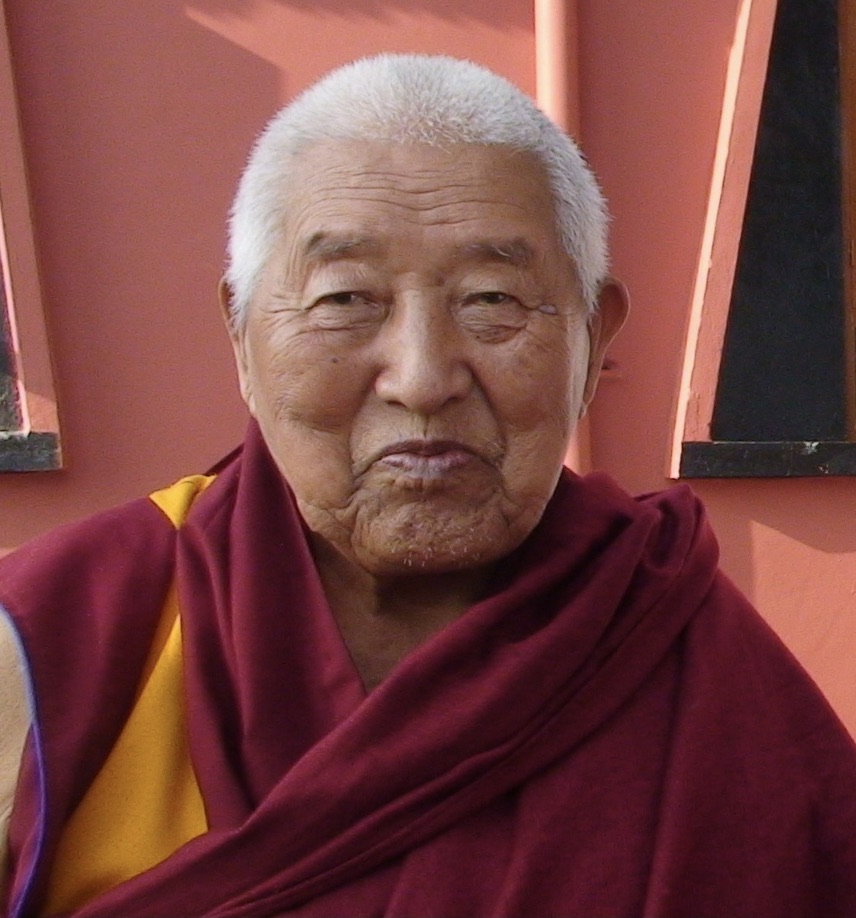
On the 16th day of the sacred Saga Dawa month in the Tibetan Wood Snake year, June 12, 2025, at 7:45 AM, His Eminence Menri Yongdzin Lopon Tenzin Namdak Rinpoche, master of the three lineages and spiritual elder of the Yungdrung Bön religious tradition, passed beyond this life and entered into a state of deep meditation, tukdam, at his lama residence at Triten Norbutse Monastery. In general, tukdam refers to a state of meditative stability attained by meditation masters that continues after the external breath of their physical body has ceased but the internal breath, or winds, remain.  Therefore, the subtle channels through which these winds move remain stable. The area of the body containing the heart chakra remains warm to the touch.  The skin remains soft, and the face retains a glow of vitality.  Often, the master is sitting in meditation posture, but can also be in the yogic posture of the “sleeping lion” lying upon the right side of the body, knees together and slightly bent with the right hand under the head and the left arm resting upon the body.  During this time, great care is taken to not disturb the body or interrupt the state of mediation.  Great blessings can be received by connecting with the master during this important time.

After an indeterminate number of days, the internal winds cease, the channels collapse, the physical body slumps, and the warmth dissipates from the heart center. At that time, chants related to the cleansing of the sacred body are recited while the physical remains are ritually bathed with water mixed with special herbs.  Sacred seed syllables are then written on the body and the body is wrapped in a pure white cloth. Disciples who connect with the lama during this time either by being near the sacred remains or at a distance, can receive great blessings.

Tsok offerings

Because the master has attained a state of enlightened realization, the prayers and rituals that are offered during this time are different than that for an ordinary being.  Rather than offering prayers to support their experience of death, disciples focus upon practices to honor the teachings of the master.  These prayers and practices include performing acts of virtue to benefit all beings, reciting aspirational prayers such as Tséwang’s Precious Mala of Beneficial Aspiration Prayers, the Tséwang Monlam, and practicing guru yoga in a pure and fervent way. The English language translation of Tséwang’s Precious Mala of Beneficial Aspiration Prayers has been made publicly available for personal use by and can be downloaded at this link: https://drive.google.com/file/d/1d1LOlW-w3zlTV1HRbedK625IEcwwImPI/view?usp=share_link. Additionally, the monastic community offers many tsok, or sacred feast offerings. At the time of cremation, an elaborate fire ritual called Kün Rik is performed during which a wide variety of offerings are presented to the entire cycle of deities. In honor of the great kindness and generosity of His Eminence Yongdzin Tenzin Namdak Rinpoche throughout his life, who shared his guidance and teachings with countless sentient beings in order for them to escape the misery of cyclic existence, the English language translation of Prayers to the Lama is being made publicly available for the personal use of the worldwide Yungdrung Bön family. The prayer can be downloaded at this link: https://drive.google.com/file/d/1H0npefK4YasUAiDGTM3tLgwwbyNPypmc/view?usp=share_link

Although the master has attained the ultimate state of realization and therefore does not experience the 49 days of transiting the bardo, the 49 day period is still observed as a time to continue with aspirational and devotional prayers, renewal of vows especially those received from the master, fervent guru yoga, and acts of virtue in order to honor the teachings and spiritual guidance of the master.

Supplication to the Lord of Refuge, Menri Yongdzin Lopön Tenzin Namdak Rinpoche

How marvelous! Teacher of the three trainings and protector of migrating beings, you are an emanation of the omniscient Nyiwang who perfects enlightened intention with dynamic energy. Having the total perfection of the abiding nature of sutra and trantra, you hold and protect the teachings through your completely pure enlightened activities. To Yongdzin Mawé Wangpo I supplicate! (Written by the supreme Lord of Refuge, the 33rd Menri Trizen Rinpoche on the 8th lunar day of the 3rd lunar month.)

Raven Cypress Wood ©All Rights Reserved. No content, in part or in whole, is allowed to be used without direct permission from the author.

Don’t want to miss a post? Scroll to the bottom and click “Follow this blog.”

Want to join the mandala of Nine Ways supporters? Follow this link https://ravencypresswood.com/donate/ It’s easy through Paypal, Zelle, and Venmo.

Annual Reading of the Enlightened Teachings of Lord Buddha Tönpa Shenrap

Nuns of Rayna Menling reading from the teachings of Buddha Tönpa Shenrap

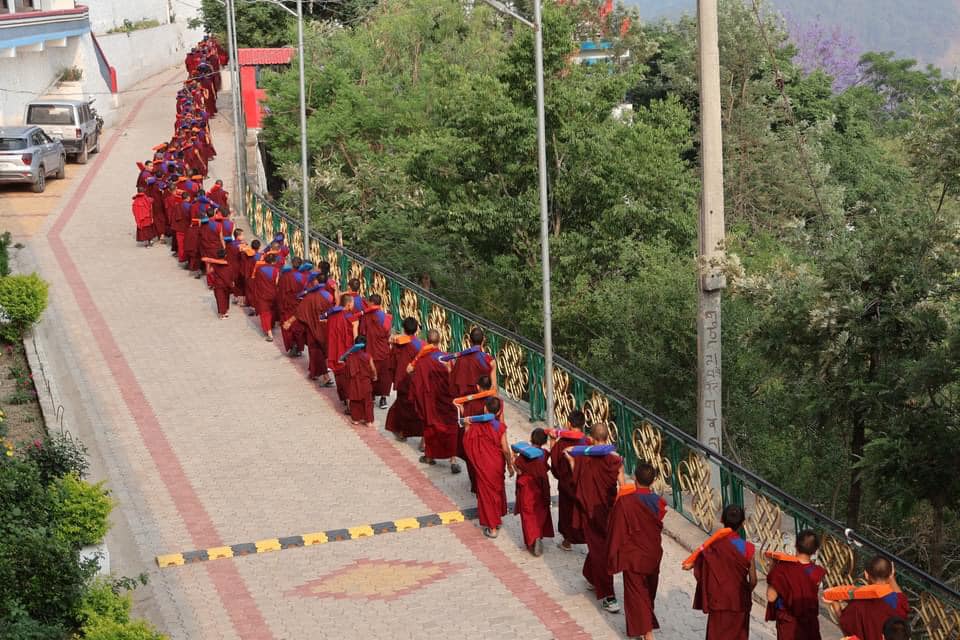
Each year at Pal Shenten Menri Monastery and Rayna Menling Nunnery on the 14th and 15th lunar days of the 4th month, the enlightened teachings of Lord Buddha Tönpa Shenrap Miwoché are read out loud. In 2025, these dates coincide with June 10th and 11th on the Western calendar. The sacred volumes containing these teachings are carried by both the ordained and laypeople as they circumambulate the temple. As a sign of respect for the sacredness of these texts, they are carried above the waist. Most often, they are carried on the shoulder. After bringing them into the temples, offerings such as incense are presented, and the text are distributed to the ordained for two full days of reading. Reading the scriptures aloud is considered one of the thirteen activities for a meaningful human life. (See previous article: https://ravencypresswood.com/2020/03/21/the-thirteen-yungdrung-bon-activities-for-a-meaningful-human-life/) For those inspired to read the words of Buddha Tönpa Shenrap on these days, The Beneficial Mantric Praise of Künsal Jamma Chenmo, The Jamma Ngak Tö, is considered a root text for the practice of Sherap Jamma that was spoken by the Buddha himself. Through the verses of praise for each of the syllables of Jamma’s root mantra, the profundity of the innumerable manifestations of Jamma is revealed. The teaching and transmission for this text has been widely shared in both the East and West.

“The mantra of the twenty-one victors, the praise of the Victorious Jamma of Bön, was spoken by the Victor Tönpa Shenrap. These twenty-one verses are, without exception, beyond cyclic existence and a completely pure practice. By reciting out loud the twenty-one praises, one will obtain immeasurable benefits. Praise to Tönpa Shenrap for revealing these twenty-one praises of the root mantra!”

Extract from The Beneficial Mantric Praise of Künsal Jamma Chenmo
His Holiness the 34th Menri Trizen, His Eminence Menri Pönlop Rinpoche, and other monks of Menri Monastery carry texts containing the words of Buddha Tönpa Shenrap.

The canon of sacred Yungdrung Bön texts is divided into two categories. The first category of texts contains the teachings of the primordial enlightened ones and Lord Buddha Tönpa Shenrap. This category is known as Ka [Tibetan: bka’] meaning “enlightened words or speech.” These texts are further divided into four primary categories: (1) Dō [Tibetan: mdo], Sutra, (2) Bum [Tibetan: ‘bum], The Hundred Thousand, (3) Gyü [Tibetan: rgyud], Tantra, and (4) Dzö [Tibetan: mdzod] The Treasury. In some catalogues, there can also be a fifth category of miscellaneous texts. Although each Yungdrung Bön temple in Tibet had a significant collection of Ka scriptures, the collections were not necessarily complete. This was especially due to repeated persecution throughout history of the Yungdrung Bön tradition which necessitated the hiding of texts. It is thought that only one complete collection survived. According to a catalogue of the Ka done by the 23rd abbot of Menri there are a total of 175 volumes. This number can vary according to various collections due to the availability of texts that could be copied, whether only main titles were counted as a volume, and so on. Regardless, the Sutra section contains texts such as the hagiography of Buddha Tönpa Shenrap, The Ritual Practice of the Medicine Buddha, The Root Scripture for Jamma, the four volumes of medical texts, and so on. The Hundred Thousand section contains the sixteen volumes of the Khams Gyé, The Unsurpassed Scripture Regarding the Eight Realms, the Yum Dō, The Heart Sutra of the Mother of the Great Vehicle, and so on. The Tantra section includes the Buddha’s teachings of the Mother Tantras, the Father Tantras, Phurba, Walsé, and so on. The Treasury section includes the teachings of dzogchen such as The Aural Transmission of Zhang Zhung.

“Gyajin, a ruler of the gods, rose from his seat and, having removed his upper robe from one of his shoulders, he set his right knee upon the ground. Having placed his hands together, he made a request of The Teacher with these words: “Free from the fault of wrongdoing, you have perfected every good quality. You are the source from which arises all happiness and exalted qualities. Good omniscient Shenrap, what should one do to practice or make use of the Essence of the Mother of the Great Vehicle?”

In response to that, Shenrap bestowed his teaching. 

“Gyajin, ruler of the gods, and all you yungdrung sempa, when practicing or making use of the Essence of the Mother of the Great Vehicle, all phenomena that arise from worldly existence, that arise as precious ornaments, that arise as an appearance, that arise from emptiness, that arise from individual clarity, that arise from self-awareness, that arise from the changeless and indestructible vast expanse, or that arise from equanimity; are neither appearance nor emptiness, neither existent nor nonexistent, neither eternal nor nothingness, neither born nor negated. Why is that? All of those, in every way, are unobjectifiable. Even their self-nature is unobjectifiable. Therefore, they are primordially without a source and without a birth. They have no beginning. Abiding within the equanimity of no beginning is the unfabricated, perfected, single sphere.

Extract from The Heart Sutra of the Mother of the Great Vehicle to be published in the forthcoming A Mala of Blazing, Wish-fulfilling Jewels: A Collection of Daily Practices of the Yungdrung Bön Religious Tradition by Raven Cypress Wood
Monks and nuns of Menri Monastery circumambulating with the scriptures of the Ka.

The second category of canonical texts is known as the Ka Ten [Tibetan: bka’ brten], Relying upon the Words. The Bön canon is referred to within Bön texts as the Ka and the Ka Ten. (This differs from the Buddhist canon which is referred to as the Kangyur and the Tengyur.) The Ka Ten includes commentaries, practices, rituals, and so on that rely upon the scriptures of the Ka for the root text. In order for a text to be included in the Ka Ten, it must undergo a rigorous and methodical analysis. There are over 300 volumes included within the Ka Ten. Some catalogues do not include texts after the 14th century which are thought to be mainly texts of the New Bön tradition. Other catalogues do include these texts as well as the collective writings of other Bön sages such as Shardza Tashi Gyaltsen. Additionally, many texts are incredibly rare and are guarded from outsiders. Therefore, few if any copies of these texts exist. Some texts are considered valid to be included in the Ka Ten by some, while being considered invalid and thus excluded by others. Titles can be included within unrelated volumes or counted individually, and so on. Even so, it is generally accepted that there are over 300 volumes of Ka Ten scriptures. These volumes include commentaries and practices based upon scriptures of the Ka such as The Practice Manual of the Aural Transmission of Zhang Zhung by Dru Gyalwa Yungdrung, scriptures of philosophy and logic, biographies, historical accounts, compositions of sacred songs, poetry, and advice for disciples, collections of liturgical texts, and so on.

I, of inferior intelligence, but for the benefit of beings and for the sake of explaining at least part of the meaning, will explain the Sky Ladder to Freedom, an Abridged Commentary of the Meaning of the Heart’s Blood of Bön, the Mantric Praise of Jamma. If one were able to explain the commentary on the merits of Jamma in great detail including the characteristics of each of the deities, it would amount to twenty-one great chapters in many volumes. ”  

Extract from A Sky-Ladder to Freedom: An Abridged Commentary Regarding the Meaning of the Words of the Mantric Praise of Jamma, the Deity Who Protects From All Things composed by the great 23rd abbot of Menri Monastery His Holiness Nyima Tenzin Rinpoche
Traditionally wrapped and labeled Yungdrung Bön scriptures.

Tibetan translations by Raven Cypress Wood

Raven Cypress Wood ©All Rights Reserved. No content, in part or in whole, is allowed to be used without direct permission from the author.


This article is made possible by generous donors who want content like this to continue to be available. Want to join the mandala of Nine Ways supporters? Follow this link https://ravencypresswood.com/donate/


Don’t want to miss a post? Scroll to the bottom and click “Follow this blog.”

Sacred Dances of the Tibetan New Year

Losar cham dance at Triten Norbutse Monastery. Photo credit: Unknown

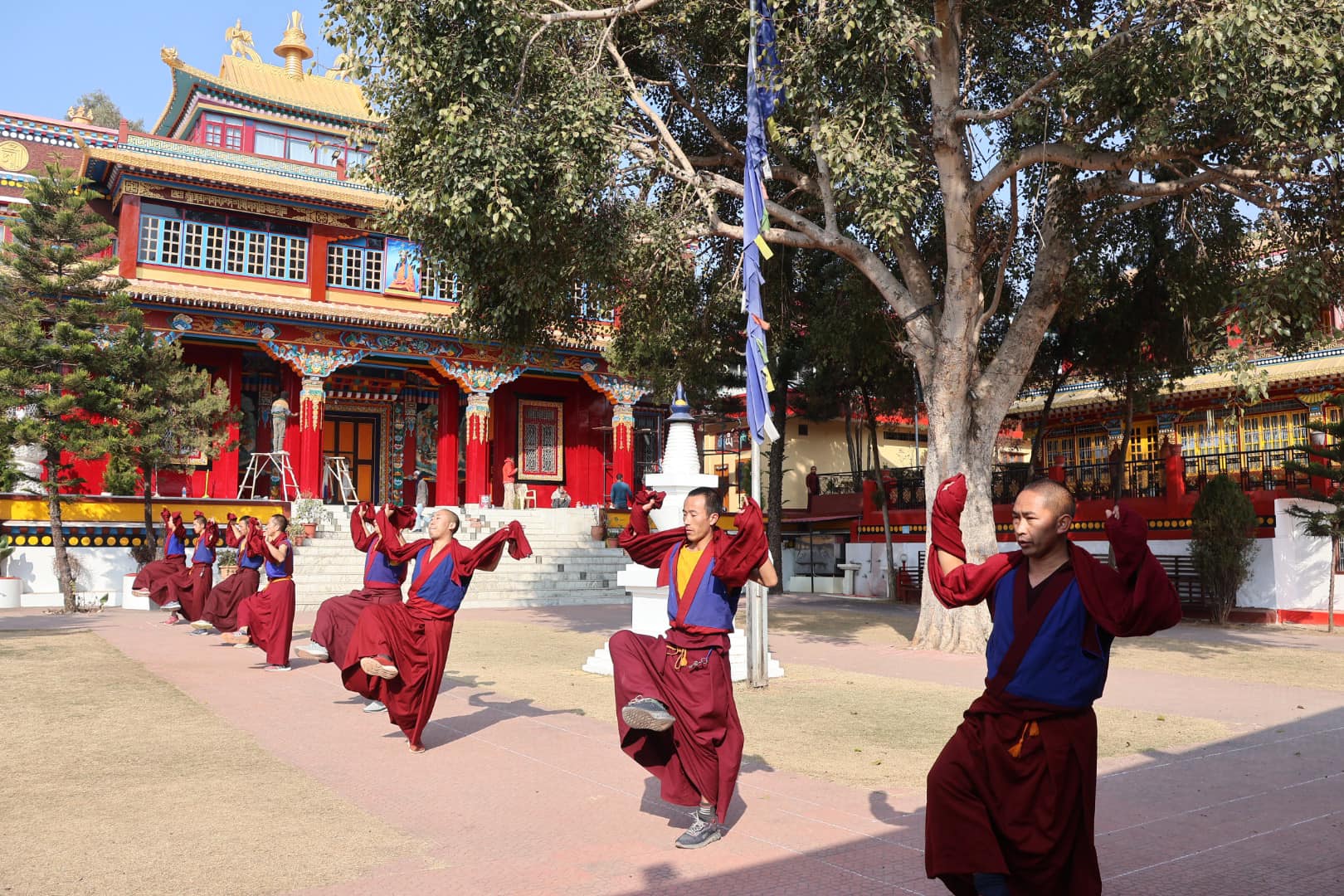
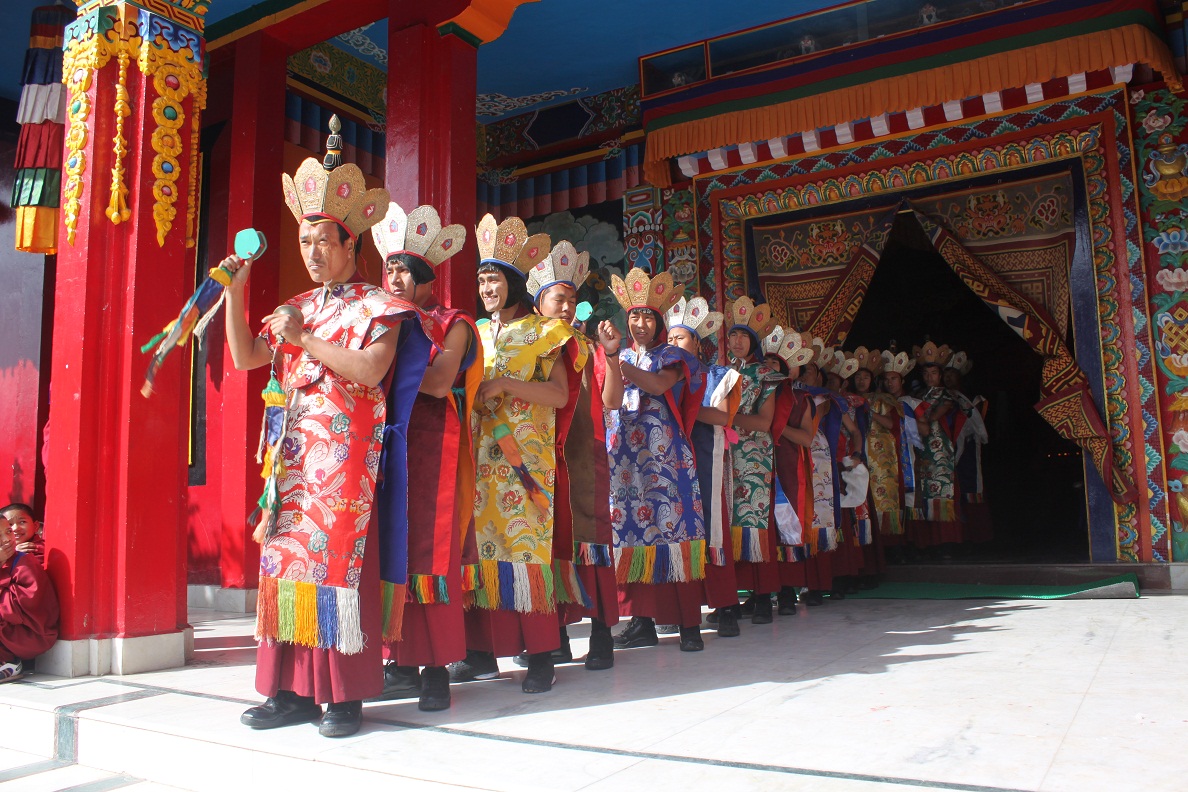
Sacred dances are performed as part of the Tibetan New Year celebrations and monastic rituals each year. Although many of these dances were historically performed in secret, over the centuries it became customary to allow the public to view the dance performances. Sacred dance exists in both Buddhist and Yungdrung Bön religious traditions as a means of conveying wisdom related to the path of enlightenment as well as the mundane world. Sacred dances, Tibetan: cham, are performed by both monks and laypeople. Each cham has its own unique steps, gestures, costume, and accompanying instruments. When an ordained person wears the dress and ornaments of a deity and performs the dance, they dissolve attachment to their own identity and merge with the enlightened body, speech, and mind of the deity. In this way, the dances are to be viewed not as worldly entertainment, but with devotion and the pure view that one is in the presence of the actual deity and receiving a multitude of inconceivable blessings. In this way, illness, obstacles, and negative influences are pacified; and health, longevity, and prosperity are strengthened.

Monks of Menri Monastery undergoing a performance exam for the cham dances of 2024. Photo credit: Unknown

His Holiness the 33rd Menri Trizin Lungtok Tenpé Nyima Rinpoche is widely credited with personally rescuing the Bön traditional sacred dances from obscurity. He was a student in Amdo and had responsibility for the dances for six years. During the first three years, he performed at the end of the line of dancers which indicates being new to the dance and needing to follow others. The final three years, he performed at the beginning of the line as the dance master who leads all the other dancers. He trained both monks and nuns to perform the cham and was able to preserve the complete performance instructions for the dances.

His Holiness 33rd Menri Trizin demonstrates sacred dance steps at Menri Monastery. Photo credit: Unknown

Among the variety of cham within the Yungdrung Bön religious tradition, there are three cycles of sacred dance that are commonly performed: (1) Sacred Dance of the Mother Tantra, (2) Sacred Dance of the Nine Zema Sisters, and (3) Sacred Dance of the Nine Indestructible Shenraps. 

The Sacred Dance of the Mother Tantra was not commonly performed for the public until after the 15th century. The Buddhist Mother Tantra cham dance is similar in that it also demonstrates the path of liberation and shares the characteristic of the dancers wearing black hats with black coverings hanging in front of the eyes. This cham is performed after first creating the mandala of the Mother Tantra, inviting the collective Mother Tantra deities, and then performing a feast offering. The steps of the dance are divided into three categories that are named according to the first three characters of the Tibetan syllabary: KA, KHA, and GA. During the KA steps, all of the deities are invited with the sound of the large drum. With the KHA steps, the six emanations of Sipé Gyalmo, the forty peaceful and wrathful deities, the forty-five female guardians, and the thirty-five supreme deities of space are presented with offerings. With the GA steps, the four kinds of enlightened activity are accomplished and blessings are bestowed. This dance has been greatly supported by the Shen family, the descendants of the the enlightened Lord Tönpa Shenrap Miwoché.

Mother Tantra cham with its characteristic black hats. Photo credit; Unknown

The Sacred Dance of the Nine Zema Sisters depicts the beginning of our three thousand-fold world system according to Yungdrung Bön cosmology. According to one account, the goddess Lhamo Chucham Gyalmo and Lha Gö Tokpa produced twenty-seven eggs. From the first nine eggs emerged the Zema Gu, or the nine Zema sisters who have animal heads and human bodies. These nine sisters were appointed as protectors by Takla Mebar. It is said that this dance began with the tertön Shenchen Luga who discovered the associated text in 1017 CE.

During the dance, the dancers wear animal masks that represent each of these nine sisters. From the twenty-seven eggs emerged the twenty-seven sisters. In the early days of Tibet, all twenty-seven sisters were depicted in the dance. This cosmology is so deeply rooted in Tibetan history that the country of Tibet was once referred to as “born from an egg.” The nine zema sisters depicted in the dance are:

  1. Blue Dragon-headed
  2. Dark-green Snake-headed
  3. Black Garuda-headed
  4. White Lion-headed
  5. Red Bear-headed
  6. Dark-red Wolf-headed
  7. Dark-brown Tiger-headed
  8. Yellow-green Garuda-headed
  9. Female Lu with a Hungry Mouth

This dance has fifteen different kinds of steps:

  1. Guiding Along the Path Steps
  2. Tiger Steps
  3. Gait of a Lion Steps
  4. Peaceful and Wrathful Steps
  5. Meri Steps
  6. Mother Tantra steps
  7. Wrathful Manner Steps 
  8. Welcome Steps
  9. Energy Moving Steps 
  10. Drawing the Arrow
  11. Taming the Sky
  12. Taming the Earth
  13. Shooting Four
  14. Sipé Gyalmo Steps
  15. Cycle of Bön Lamas Steps
Monk dancers dressed as the six emanations of the protector Sipé Gyalmo. Photo credit: Unknown

Sacred Dance of the Indestructible Shenraps is different from the other dances in that there are many lead dancers. It has been performed since the 15th century every year on the 29th day of the 12th lunar month as instructed by the founder of Menri Monastery, His Holiness the 1st Menri Trizin Nyammé Sherap Gyaltsen. This sacred dance depicts nine religious protectors of the Yungdrung Bön tradition that have all taken vows to protect the religion and its followers. The dance has nine distinct types of steps that each have a precise meaning. The nine protectors depicted in the dance are:

  1. Sipé Gyalmo who is the principal of the dance
  2. Mudü who is the chief of the fierce dré and srin spirits
  3. Tsen who is chief of the powerful tsen dré spirits
  4. Absé Gyalwa who is another chief of the powerful tsen spirits
  5. Nyipangsé who is a gyalpo or king spirit of Zhang Zhung
  6. Dzam Ngon who is also known as Blue Dzambhala or Kubera and is a wealth deity
  7. Sheltrap Chen
  8. Drakpa Sengé
  9. Tago
Monk dancers emerge from the meditation hall to perform before the crowd at Menri Monastery. Photo credit: Unknown

Tibetan translations by Raven Cypress Wood

Raven Cypress Wood ©All Rights Reserved. No content, in part or in whole, is allowed to be used without direct permission from the author.


This article is made possible by generous donors who want content like this to continue to be available. Want to join the mandala of Nine Ways supporters? Follow this link https://ravencypresswood.com/donate/


Don’t want to miss a post? Scroll to the bottom and click “Follow this blog.”

Celebrating the 100th Anniversary of the Birth of His Eminence Menri Yongdzin Lopön Tenzin Namdak Rinpoche

On February 6, 2025 in Kathmandu, Nepal within the new meditation temple at Palden Triten Norbutsé Monastery, the Yungdrung Bön community will gather and rejoice in the 100th birthday of His Eminence Yongdzin Lopön Tenzin Namdak Rinpoche. Once His Eminence has entered the mediation hall and taken his seat upon the grand throne, many mandala offerings of glorious things will be offered and prayers for his long life will be chanted.

“Supplication to the Lord of Refuge, Menri Yongdzin Lopön Tenzin Namdak Rinpoche

How marvelous! Teacher of the three trainings and protector of migrating beings, you are an emanation of the omniscient Nyi Wang who perfects enlightened intention with dynamic energy. Having the total perfection of the abiding nature of sutra and trantra, you hold and protect the teachings through your completely pure enlightened activities. To Yongdzin Mawé Wangpo I supplicate! 

ཨེ་མ་ཧོ༎   བསླབ་གསུམ་བསྟན་པའི་བདག་ཉིད་འགྲོ་བའི་མགོན།། ཀུན་མཁྱེན་ཉི་དབང་རྣམ་རོལ་དགོངས་རྩལ་རྫོགས།། མདོ་སྡེ་སྔགས་ཀྱི་གནས་ལུགས་རྫོགས་པ་ཆེ།། བསྟན་པ་འཛིན་སྐྱོང་འཕྲིན་ལས་རྣམ་པར་དག། ཡོངས་འཛིན་སྨྲ་བའི་དབང་པོར་གསོལ་བ་འདེབས༎ སྐྱབས་རྗེ་སྨན་རིའི་ཁྲི་འཛིན་རིན་པོ་ཆེ་མཆོག་གིས་ཕྱི་   ཟླ་ ༣་ཚེས་༨་ལ་བསྟོད་པའོ།

é ma ho, lap sum ten pé dak nyi dro wé gön, kün khyen nyi wang nam röl gong tsal dzok, do dé ngak kyi né luk dzok pa ché, ten pa dzin kyong trin lé nam par dak, yong dzin ma wé wang por söl wa dep”

Written by the supreme Lord of Refuge, the 33rd Menri Trizen Rinpoche on the 8th lunar day of the 3rd lunar month.

A Bön Song for Welcoming One Hundred Years

You are a Shen whose speech is the great essence of the hundred thousand treasuries of sutra and tantra. Great protector of the teachings of the 84,000 Doors of Bön, during this present time you have greater kindness than a thousand enlightened ones. We rejoice that you have reached the age of one hundred!

The expressions of your realization and your hundreds of acts are solid pillars of the three trainings. Your utterly fulfilling knowledge of the three aspects turns the thousand-spoked wheel of Bön. Unequaled holder of the golden throne, because of a multitude of requests, You subsequently composed thirteen volumes of your collected works.

Embodiment of Drenpa, Master Subduer during the 500 years of decline, you have held, protected, and increased the essence of the Bön teachings during the one hundred years of your long life. Having the completely pure three vows of the hundred-petaled, saffron robe, may your lotus feet remain stable for hundreds of eons!

(Thus, this great celebration marks the 100th anniversary of the birth of the principal teacher of the Leader of Menri, the divine Lord of Refuge, Lopön Mawé Wangpo Tenzin Nadak, the supremely glorious master. As the fortunate Bön community of former students of The Bön Children’s Welfare Center of Topgyal Sarpa at Pal Shenten Menri Ling and others who are continually protected by your wisdom and kindness, offer these auspicious wishes. Mutsuk Marro!)

Newly finished statue of His Eminence Menri Yongdzin Lopön Tenzin Namdak Rinpoche

Offerings to the Lama

How Marvelous!

Within a completely pure and unchanging miraculous realm is the spiritual master, the essence of the Enlightened Ones of the three times. In order for the migrating beings of the six destinies to cross the ocean of cyclic existence, please remain seated upon the jeweled throne, upon faultless cushions of a radiant lotus, sun, and moon within the unsurpassed palace of the immeasurable three places! AH OM HUNG CHI PAR RAYNA TA TSEN RA YO DZA

Prostrations

How marvelous! To the lama who is the embodiment of all of the Victors and spiritual masters, principally by Bön practitioners, but including all sentient beings who are as limitless as the sky; we offer prostrations with our body, prostrating with our arms, legs, and head! We prostrate with our speech, chanting with a joyous and inspired melody! We prostrate with our mind, prostrating with single-pointed motivation and devotion! May the negative actions and defilements of our three doors become purified! AH OM HUNG CHI PAR RAYNA KO PUNG AKSHO TRI TSE GU DÜN HRUN

Admission of Wrongdoing and Purification

In the presence of my principal lama who is chief among the supreme objects of refuge, I admit my actions of wrongdoing and non-virtue that I have committed from the beginning until this very day. I admit corrupting the three vows and defiling the promises that I’ve made. I admit my pretension even though I do not understand the nature of mind. Please bestow complete purification and the supreme attainment! AH OM HUNG CHI PAR RAYNA KO PUNG AKSHO TRI TSE U DUK SHA YA NI SOHA

Mandala Offering

How marvelous! To the great, unmatched lama possessing characteristics, I present unequaled external, internal, and secret offerings. Externally, I offer a variety of nice things of the environment and its inhabitants. Furthermore, I offer my own body and its vitality as an ornament. I present these offerings with non-attachment. 

Internally, I offer the arising of my mental and physical aggregates. I offer my accumulated realization that whatever arises as subject and object is illusory. Furthermore, I present these offerings within the vast space of self-liberation.

Secretly, I offer the natural radiance of my unborn mind, which is unceasing and understands whatever arises as enlightened manifestation and wisdom. Furthermore, I present these offerings within a completely vast and all-pervasive space. AH OM HUNG CHI PAR RAYNA ZUR NAM DÉ SHO HA RA TIM TIM YÉ SOHA

The Five Offerings

How Marvelous! Free from extremes and unchanging is the container of the mind. Free from elaborations, I establish the wick of great self-liberation. I fill the lamp of authentic, completely pervasive great bliss. To the One who has characteristics, I present this butter lamp to look upon with the eye.

This unmoving and naturally clear incense burner is filled with the non-grasping, radiantly clear light of pure incense. The fresh and continuous smoke permeates everywhere. I present this incense to the Protector of beings.

This unfabricated and self-clear water offering bowl is filled with unobstructed, playful self-arising offering water. Having added various ornaments of non-attachment such as nectar and medicine, I present this offering water for the enjoyment of the Dimension of great kindness. 

The primordial Buddha of the conch shell of the mind is filled with manifested experience and realization like an utpal flower. Radiating the wonderful light of spontaneously benefitting others, I present this flower of enlightened activity to the Heart of great kindness. AH OM HUNG NÉ TING SHIM PÖ DANG RA BONG NGÉ NÉ RA ZUR NAM DÉ SHO HA RA TIM TIM SOHA

Praise of the Enlightened State

How marvelous! At the crown of my head, the changeless palace of great bliss, abides the state of Künzang, completely equipoised and free from extremes. I pray to the dimension of the Bön lamas, please hold the migrating beings of the six realms in your compassion and loosen the mind-stream!

At the neck, the space of the palace of Ogmin, are the peaceful and wrathful deities who have the major and minor characteristics. I pray to the dimension of lamas of the Dzok ku, please hold the migrating beings of the six destinies in your compassion and loosen our mind-stream!

At the center of the heart, is the realm of the manifested subduer of migrating beings, the One who teaches whatever is needed and performs a variety of enlightened activity. I pray to the dimension of manifested Lamas, please hold the migrating beings of the six destinies in your compassion and loosen our mind-stream!

To the collective of all the victorious Lamas who has the endowments of leisure and fortune, who teaches the entire collection of scripture with completely pure speech, who has the extensive wisdom of knowledge and kindness, and a mind free from elaboration, who protects migrating beings like their own children with their exalted qualities that come forth, who has spontaneous enlightened activity as limitless as the sky; I pray to the unrivalled Lama, please hold the migrating beings of the six destinies in your compassion and loosen our mind-stream!

I pray to the One who is unrivaled and who has perfected the Three Bodies, please hold the migrating beings of the six destinies in your compassion and loosen our mind-stream! I pray to the One whose speech is the ornament of the world, please hold the migrating beings of the six destinies in your compassion and loosen our mind-stream! I pray to the One who blazes like the incomparable udum flower, please hold the migrating beings of the six destinies in your compassion and loosen our mind-stream! I pray to the One who is free of defilements and has the two kinds of knowledge, please hold the migrating beings of the six destinies in your compassion and loosen our mind-stream!

Receiving the Accomplishments

You, my Lama, who has brought cyclic existence and nirvana under your power, I, and your other followers, pray; please bestow benefits that are as limitless as the sky to migrating beings!  Please grant our wishes to be continuously without separation from your presence! Continuously hold us with your unequalled compassion, we pray!

Aspiration Prayer

Until I obtain complete enlightenment, not born in a negative place, may I obtain a body of renunciation with the advantages of the leisures and fortunes. Having practiced the three trainings and loosened the mind stream,  and having traveled the paths and the grounds, from the state of complete buddhahood, may I accomplish benefit that is equal to the vastness of the sky!

༄༅། །ཨེ་མ་ཧོ།      རྣམ་དག་འགྱུར་མེད་སྤྲུལ་པའི་ཞིང་ཁམས་ནས། དུས་གསུམ་སངས་རྒྱས་ངོ་བོ་བླ་མ་རྗེ། འགྲོ་དྲུག་འཁོར་བའི་ཆུ་ལས་བསྒྲལ་བའི་ཕིར།       བླ་མེད་ཕོ་བྲང་གཞལ་ཡས་གནས་གསུམ་དུ།   སྐྱོན་བྲལ་པདྨ་གསལ་འཚེར་ཉི་ཟླའི་གདན།  གཅན་ལྔ་རིན་ཆེན་ཁྲི་ལ་བཞུགས་སུ་གསོལ།།    ཨ་ཨཱོྃ་ཧཱུྃ༔   ཅི་པར་རདྣ་ཐ་ཚན་ར་ཡོ་ཛ༔

ཕྱག་ནི།  

ཨེ་མ་ཧོ།   རྒྱལ་བ་ཀུན་འདུས་དཔོན་གསས་བླ་མ་ལ།   སྒྲུབ་གཤེན་གཙོར་བྱས་མཁའ་མཉམ་སེམས་ཅན་གྱིས། ལུས་ཕྱག་ཡན་ལག་ལྔ་ལྡན་ཕྱག་འཚལ་ལོ།།     ངག་ཕྱག་སྤྲོ་དགའི་དབྱངས་ཀྱིས་ཕྱག་འཚལ་ལོ།།      ཡིད་ཕྱག་རྩེ་གཅིག་མོས་འདུན་ཕྱག་འཚལ་ལོ།།          སྒོ་གསུམ་ལས་ངན་སྡིག་སྒྲིབ་བྱང་གྱུར་ཅིག ཨ་ཨཱོྃ་ཧཱུྃ༔     ཅི་པར་རདྣ་རྐོ་ཕུང་ཨཀྴོ་ཁྲི་ཙེ་གུ་དུན་ཧྲུན།   

བཤགས་པ།               

ཨེ་མ་ཧོ།   ཡུལ་མཆོག་གཙོ་བོ་བླ་མའི་སྤྱན་སྔར་རུ།     བདག་ནི་ཐོག་མར་འཁྲུལ་ནས་ད་ལྟའི་བར། སྡིག་བཅུ་ལས་སོགས་མི་དགེ་གྱུར་ཚད་བཤགས།  སྡོམ་གསུམ་འགལ་སྲིད་ཁས་བླང་ཉམས་པ་བཤགས། སེམས་ཉིད་མ་རྟོགས་གཟུ་ལུམ་གྱུར་ཚད་བཤགས།    བྱང་དག་ཚངས་པ་མཆོག་གི་དངོས་གྲུབ་སྩོལ།། ཨ་ཨཱོྃ་ཧཱུྃ༔      ཅི་པར་རདྣ་རྐོ་ཕུང་ཨཀྴོ་ཁྲི་ཙེ་ཨུ་དུག་གཤའ་ཡ་ནི་སྭཱཧཱ།

མནྡལ་ནི།

ཨེ་མ་ཧོ།  མཚན་ལྡན་བླ་མ་མཉམ་མེད་ཆེན་པ་ལ།     བླ་མེད་མཆོད་པ་ཕྱི་ནང་གསང་གསུམ་འབུལ། ཕྱི་རུ་སྣོད་བཅུད་འདོད་ཡོན་ཇི་སྙེད་པ།   དེ་ཡང་རང་གི་ལུས་སྲོག་རྒྱན་ལ་སོགས།     དེ་ཡང་ཆགས་མེད་བློ་ཡིས་ལིང་གིས་འབུལ།      ནང་དུ་རང་གི་འབྱུང་དུག་ཕུང་པོ་ལ།     རྟོགས་ཚོགས་གཟུང་འཛིན་འཁྲུལ་པ་ཅི་ཤར་ཡང་།      དེ་ཡང་རང་གྲོལ་ཀློང་དུ་ཁྲོལ་གྱིས་འབུལ།    སྐྱེ་མེད་སྙིང་པོ་སེམས་ཀྱི་རང་མདངས་ལ།  འགག་མེད་སྐུ་དང་ཡེ་ཤེས་ཅི་ཤར་ཡང་།   དེ་ཡང་ཁྱབ་བདལ་ཀློང་དུ་ཕྱམ་གྱིས་འབུལ།།  ཨ་ཨཱོྃ་ཧཱུྃ༔      ཅི་པར་རདྣ་ཟུར་ནམ་དེ་ཤོ་ཧ་ར་ཐིམ་ཐིམ་ཡེ་སྭཱཧཱ།

རྣམ་ལྔ་ནི།         

ཨེ་མ་ཧོ།  མཐའ་བྲལ་འགྱུར་མེད་སེམས་ཀྱི་རྐོང་བུ་རུ།    སྤྲོས་བྲལ་རང་གྲོལ་ཆེན་པོའི་སྡོང་བུ་བཙུགས། ཁྱབ་བདལ་བདེ་ཆེན་གཉུག་མའི་སྒྲོན་མེ་བལྟམས།     མཚན་ལྡན་སྤྱན་ལ་ལྟ་བའི་ཞུག་མར་འབུལ།། གཡོ་མེད་རང་གསལ་ཆེན་པོའི་སྤོས་ཕོར་དུ།      འཛིན་མེད་རང་མདངས་འོད་གསལ་སྤོས་དཀར་བླུགས། སོ་མ་རང་ལྷུག་རྒྱུན་གྱི་དུད་པ་འཐུལ།         འགྲོ་མགོན་ཤང་ལ་བསྣོམ་པའི་སྤོས་མཆོད་འབུལ།།        མ་བཅོས་རང་གསལ་ལྷུག་པའི་ཏིང་ཕོར་དུ།     མ་འགག་རོལ་པ་རང་ཤར་ཡོན་ཆབབ་བླུགས།     སྣ་ཚོགས་རྒྱན་ཤར་ཆགས་མེད་རྩི་སྣམ་བཏབས།   དྲིན་ཆེན་སྐུ་ལ་སྤྱོད་པའི་ཡོན་ཆབ་འབུལ།། ཡེ་ནས་རང་སེམས་སངས་རྒྱས་དུང་ཕོར་དུ།           ཉམས་རྟོགས་མངོན་གྱུར་ཨུ་དཔལ་མེ་ཏོག་བླུགས། ལྷུན་གྲུབ་གཞན་ཕན་ལེགས་པའི་འོད་ཟེར་འཕྲོ།  དྲི་ཆེན་ཐུགས་ལ་འཕྲིན་ལས་མེ་ཏོག་འབུལ།།    ཨཱ་ཨཱོ་ཧཱུྃ༔    ནེ་ཏིང་ཤིམ་ཕོད་དང་ར་བོང་ངེ་ནེ་ར་ཟུར་ནམ་དེ་ཤོ་ཧ་ར་ཐིམ་ཐིམ་སྭཱཧཱ།

སྐུ་བསྟོད་ནི།                

ཨེ་མ་ཧོ།   སྤྱི་གཙུག་འགྱུར་མེད་བདེ་བའི་ཕོ་བྲང་དུ།   ཀུན་སྙོམས་མཐའ་བྲལ་ཀུན་བཟང་ངང་ལ་བཞུགས། བླ་མ་བོན་གྱི་སྐུ་ལ་གསོལ་བ་འདེབས།     འགྲོ་དྲུག་ཐུགས་རྗེས་བཟུང་ལ་བདག་རྒྱུད་ཁྲོལ།། མགྲིན་པ་འོག་མིན་དབྱིངས་ཀྱི་ཕོ་བྲང་ན།    ཞི་ཁྲོའི་སྐུ་ལ་མཚན་དང་དཔེ་བྱད་ལྡན།   བླ་མ་རྫོགས་པའི་སྐུ་ལ་གསོལ་བ་འདེབས།      འགྲོ་དྲུག་ཐུགས་རྗེས་བཟུང་ལ་བདག་རྒྱུད་ཁྲོལ།།      ཐུགས་ཀ་འགྲོ་འདུལ་སྤྲུལ་པའི་ཞིང་ཁམས་སུ།  གང་མོས་སྐུར་སྟོན་སྣ་ཚོགས་འཕྲིན་ལས་མཁན།   བླ་མ་སྤྲུལ་པའི་སྐུ་ལ་གསོལ་བ་འདེབས།        འགྲོ་དྲུག་ཐུགས་རྗེས་བཟུང་ལ་བདག་རྒྱུད་ཁྲོལ།།    དལ་འབྱོར་སྐུ་ལ་རྒྱལ་བ་མ་ལུས་འདུས།        ཚངས་པའི་གསུང་གི་བཀའ་རྒྱུད་མཐའ་དག་སྟོན།        སྤྲོས་བྲལ་ཐུགས་ལ་མཁྱེན་བརྩེའི་ཡེ་ཤེས་རྒྱས།       ལེགས་འབྱུང་ཡོན་ཏན་འགྲོ་ལ་བུ་བཞིན་སྐྱོབས། རྩལ་མེད་ལྷུན་གྲུབ་ནམ་མཁའི་མཐའ་དང་བྲལ།      བླ་མ་འགྲན་ཟླ་བྲལ་ལ་གསོལ་བ་འདེབས།   འགྲོ་དྲུག་ཐུགས་རྗེས་འཟུང་ལ་བདག་རྒྱུད་ཁྲོལ།།         མཉམ་མེད་སྐུ་གསུམ་རྫོགས་ལ་གསོལ་བ་འདེབས།     འགྲོ་དྲུག་ཐུགས་རྗེས་འཟུང་ལ་བདག་རྒྱུད་ཁྲོལ།། སྨྲ་བའི་འཛམ་གླིང་རྒྱན་ལ་གསོལ་བ་འདེབས།    འགྲོ་དྲུག་ཐུགས་རྗེས་བཟུང་ལ་བདག་རྒྱུད་ཁྲོལ།།     མཚུངས་མེད་ཨུ་དུམ་འབར་ལ་གསོལ་བ་འདེབས།       འགྲོ་དྲུག་ཐུགས་རྗེས་བཟུང་ལ་བདག་རྒྱུད་ཁྲོལ།། སྒྲིབ་མེད་མཁྱེན་གཉིས་ལྡང་ལ་གསོལ་བ་འདེབས།     འགྲོ་དྲུག་ཐུགས་རྗེས་བཟུང་ལ་བདག་རྒྱུད་ཁྲོལ།།

དངོས་གྲུབ་ཞུ་བ་ནི།         

བླ་མ་ཁྱེད་ནི་འཁོར་འདས་རང་དབང་བསྒྱུར།       བདག་སོགས་རྗེས་འབྲང་གསོལ་འདེབས་བུ་རྣམས་ལ། ནམ་མཁའི་མཐའ་དང་བྲལ་བའི་འགྲོ་དོན་སྩོལ།།    འབྲལ་མེད་རྒྱུན་དུ་འགྲོགས་པའི་སྨོན་ལམ་སྩོལ།། མཉམ་མེད་ཐུགས་རྗེས་རྒྱུན་དུ་བཟུང་དུ་གསོལ།།

སྨོན་ལམ་ནི།       

ཇི་སྲིད་རྫོགས་པའི་སངས་རྒྱས་མ་ཐོབ་བར།     དེ་སྲིད་གནས་ངན་ལུས་སྤང་དལ་འབྱོར་ཐོབ། བསླབ་གསུམ་རྒྱུད་ཁྲོལ་ས་ལམ་དུས་གཅིག་བསྒྲོད།   རྫོགས་སངས་རྒྱས་ནས་མཁའ་མཉམ་དོན་བྱེད་ཤོག

Translations from the Tibetan by Raven Cypress Wood ©All Rights Reserved. No content, in part or in whole, is allowed to be used without direct permission from the author.

This article is made possible by generous donors who want content like this to continue to be available. Want to join the mandala of Nine Ways supporters? Follow this link https://ravencypresswood.com/donate/
Don’t want to miss a post? Scroll to the bottom and click “Follow this blog.”
Special Day for Healing Waters Practice

His Eminence Menri Yongdzin Pönlop Yangtön Thrinley Nyima Rinpoche gives blessed water for cleansing obscurations and bestowing blessings to the school children of the Tapriza School in Dolpo, Nepal.

The 5th lunar day of the 7th month each year is a powerful day for receiving blessed water or for practicing with water for cleansing or healing. In 2024, this lunar date corresponds with September 8th. Healing from blessed water or other types of medicine taken on this day will continue to have great power for seven days.

It is a widespread belief shared among many religious traditions that particular bodies of water can bestow purification, healing, eternal youth, or special knowledge. Within the Yungdrung Bön religious tradition, there are many rituals to imbue water with the blessings and power of the enlightened ones in order to wash away negativities and provide healing and protection. This kind of water and its associated ritual cleansing is known as trü [Tibetan: khrus]. One of the most widespread is Nampar Jompa’s Healing Waters Mantra practice. The enlightened deity Nampar Jompa has a wrathful appearance with a light-blue body and distinctly having serpents as ornaments on his arms, legs, waist, and hair.

“I, myself, as the deity Nampar Jompa hold in my right hand a vessel filled with elixir.  In my left hand, I hold a mirror which removes all illness and injury.  Having washed with this healing water, I clearly imagine that any remaining contamination is washed away because of this medicine.”  

— From The Practice of the Washing Rite within Nampar Jompa’s Healing Waters Mantra

At the conclusion of the practice after the practitioner has transformed into the deity Nampar Jompa, empowered the water with mantra, and then washed with the water, the practice text concludes with a notation emphasizing the power of the practice.

“Thus, through this supplication prayer of the washing rite, having purified all traces of previous illness and negative external influences, just like the overflow of water from a crystal vessel, imagine that all negativity and illness leave from the tips of the fingers and toes, the nostrils and the secret place.

There is no place what-so-ever for the creation of even the smallest thing to arise.  Not even a single atom remains that needs to be purified!”

Sigyal Drakngak Walmo, the enlightened deity who protects from contagious disease through empowered water

During the beginning time of the global pandemic of Covid 19, many Yungdrung Bön lamas advised their disciples to engage with the mantra and practice of Sigyal Drakngak who is one of the most wrathful manifestations of Sipé Gyalmo that specifically protects from infectious disease through the use of empowered water. Translation of this text, The Heartdrop of Si Gyal that is All-pervasive and Clears Away Afflictive Emotions and Illness, has been published in both English and French. Because this is a restricted text, it is available only for those who have received transmission for the practice. (If you have received transmission and would like to order a copy of the translation, email Raven Cypress Wood at the email address listed below with the name of the teacher and the year that you received transmission and you will be given the ordering information.)

“OM!

This water of nectar has the nature of wisdom and medicine.

May all negative karma, afflictive emotions and discursive thoughts of migrating beings be washed away!

May all illness, external negative forces, karmic potentialities, and contaminations be purified!

Like a deity of medicine, may you have health and happiness!”

— From The Heartdrop of Si Gyal that is All-pervasive and Clears Away Afflictive Emotions and Illness

In addition to the practices specifically using water as a method of purification, healing, and empowerment, there are many practices and mantra that can be used to transform water from an ordinary substance to one that is imbued with extraordinary qualities. For example, the great mantra of the Yungdrung Bön tradition has extraordinary power and is not considered secret. It can be recited aloud and also shared. This mantra can be recited one hundred times or more, without the interruption of ordinary speech, then the breath is blown onto clean water used for drinking or cleansing. According to the chapter within the MA TRI tantra entitled The Thirty-two Benefits of the Sufficient Recitation of the Precious Lamp:

“Anyone affected by contaminated energy, latent karmic potentialities, misfortune, or defilements, having recited this MA TRI mantra into pure, clean water, if they ritually wash for seven mornings, even karmic defilements will be purified.  Removing defilements is a benefit of this precious lamp.”

— From The Thirty-two Benefits of the Recitation Practice of the Precious Lamp

The Heartdrop of Jamma is an aural transmission from Khandro Sherap Lo Pélma who is a manifestation of Sherap Jamma and a deity who is specifically practiced to develop the intellect. In The Heartdrop of Jamma, the practitioner uses the power of the mantric syllables to transform each aspect of their body into one of Jamma’s countless manifestations. This text is commonly recited by Yungdrung Bön families after the final meal of the day. This texts lists many benefits of its recitation. This includes the use of water.

“If you recite the mantra to good quality water mixed with powdered, medicinal incense containing blessed medicine and the six excellent substances, and then cleanse with that water, all illness and sickness caused by negative forces will be pacified and all defilements and contaminations will be purified.” 

— From The Heartdrop of Jamma

The English, Spanish, and French translations of The Heartdrop of Jamma have been published and are available to anyone through this link: https://www.lulu.com/search?page=1&q=raven+cypress+wood&pageSize=10&adult_audience_rating=00

In addition to the above-mentioned practices, the Yungdrung Bön tradition includes the daily practice of washing with empowered water that is used each morning most commonly by those with ordination or genyen vows. However, this practice is open to anyone. One of the commonly used prayers for this practice is The Cleansing Rite Supplication. The English translation of this prayer has been made freely available to the worldwide sangha and can be downloaded from the Publications page of this website.

Raven Cypress Wood ©All Rights Reserved. No content, in part or in whole, is allowed to be used without direct permission from the author.

Don’t want to miss a post? Scroll to the bottom and click “Follow this blog.”

Want to join the mandala of Nine Ways supporters? Follow this link https://ravencypresswood.com/donate/ It’s easy through Paypal and Zelle.