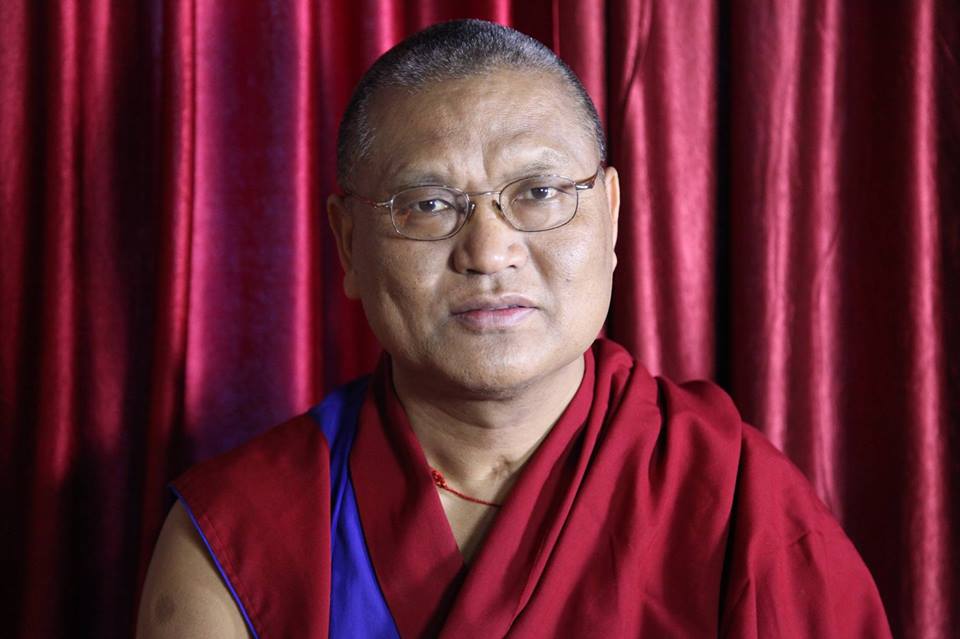
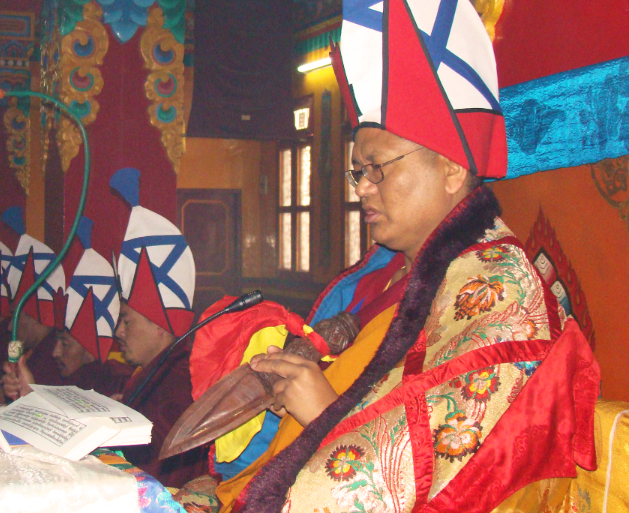
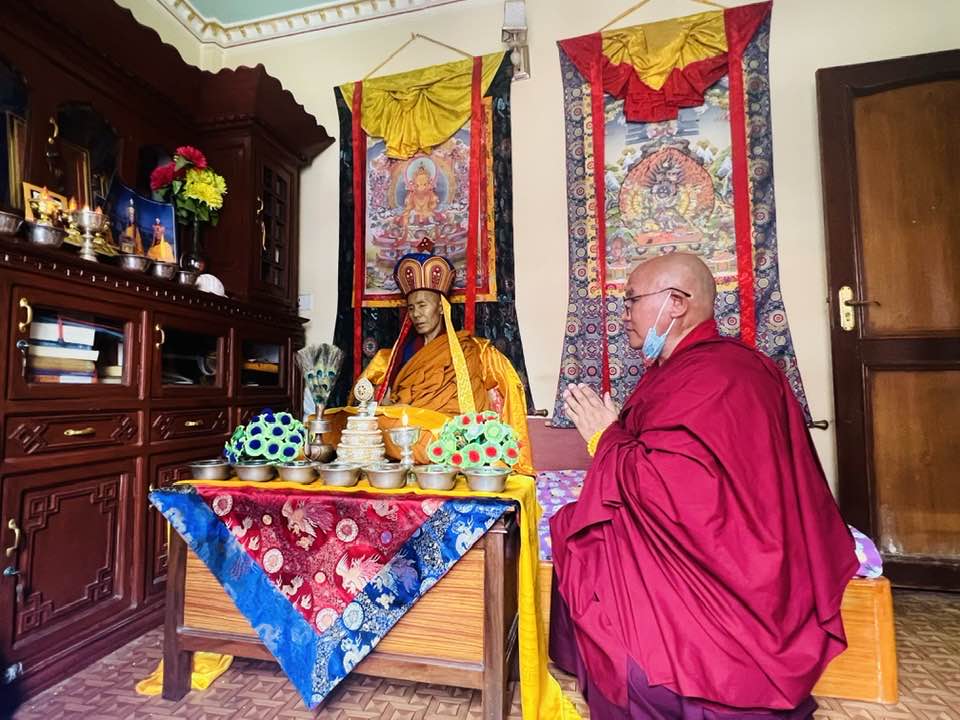
His Eminence Menri Pönlop Yangtön Trinley Nyima Rinpoche was born on the full moon day of the 1st Tibetan month of the Water Rabbit Year. In 2026, this date coincides with March 3rd. This is also the date that was traditionally celebrated as the birth anniversary of Buddha Tönpa Shenrap until research by His Eminence Menri Yongdzin Rinpoche corrected the date according to the ancient Zhang Zhung calendrical system which placed it one month earlier.
H.E. Menri Pönlop Yangtön Trinley Nyima Rinpoche is currently the pönlop, or headmaster, of the dialectic school within Pal Shenten Menri Monastery in Dolanji, India. He is a descendant of the renowned Gyal Shen Ya Ngal lineage that originated in a divine realm of clear light and predates the coming of Buddha Tönpa Shenrap 18,043 years ago. The Bön priests of this family lineage were the spiritual advisors and ritual masters for the Bönpo Zhang Zhung and Tibetan kings as well as being accomplished scholars. Among the many distinguished members of this family lineage, Yangtön Sherap Gyaltsen, who was born during the Fire Snake year of 1077 C.E., devoted himself to study and meditation such that there were no Buddhists who could defeat him in a debate. He became known as “Yangtön Chenpo,” “The Great Yangtön.” From this time forward, the lineage and all successive lineage holders were known as “Yangtön.” (For more about Yangtön Chenpo, see previous article: https://ravencypresswood.com/2017/05/27/yangton-sherap-gyaltsen/)
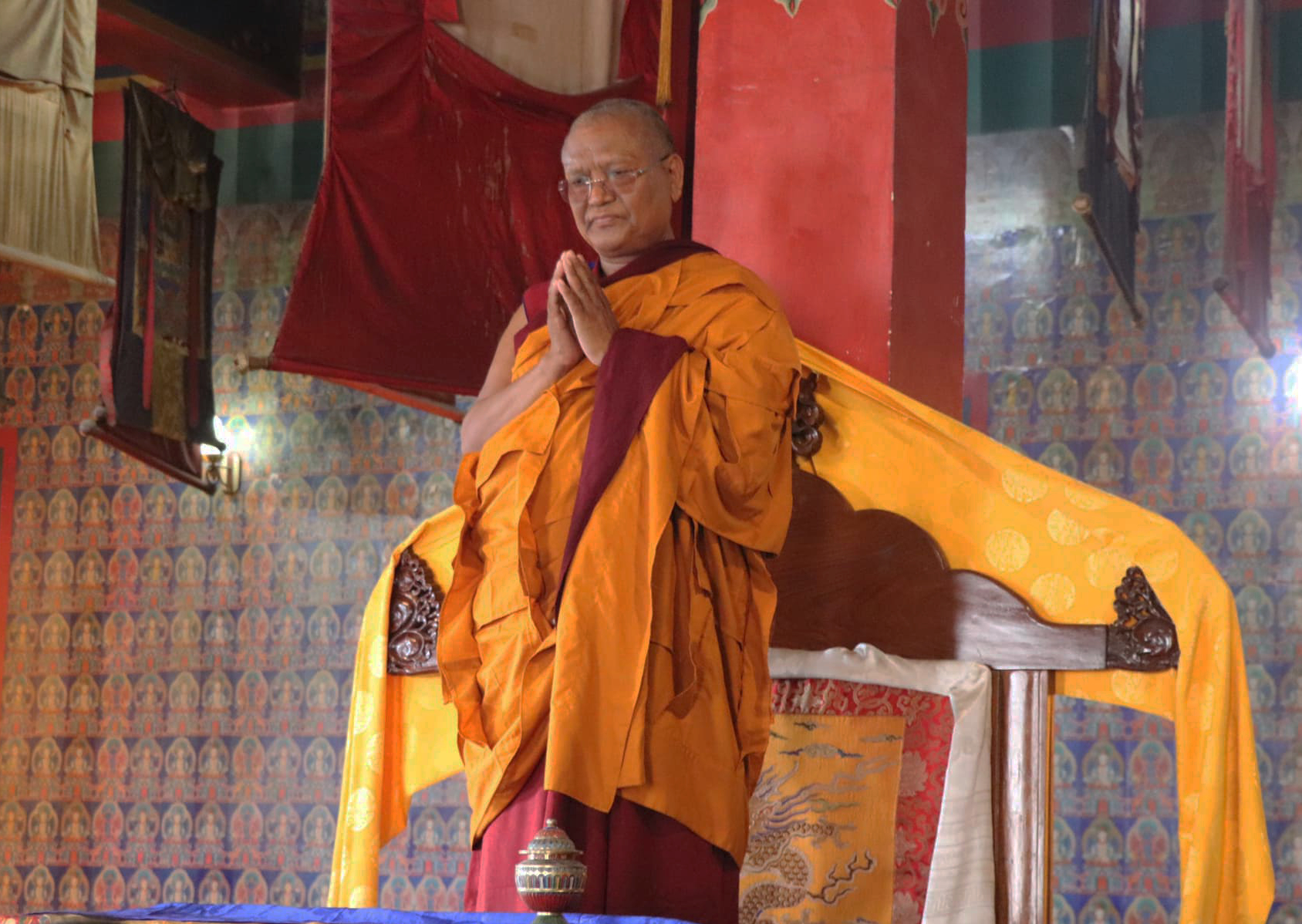
His Eminence, the Lord of Refuge, Menri Pönlop Trinley Nyima Rinpoche was born in northwestern Nepal, in the Dolpo village of Tsarka on the full moon, 15th day of the 1st month of the Water Rabbit year of the 16th rabjung cycle. This date coincides with March 10, 1963 on the Western calendar. His parents were Yangtön Tenzin Samdrup and Tenzin Chödrön. Beginning in 1975, under the guidance of his uncle Pema Wangdu he easily learned to read, write, and practice calligraphy very quickly. Around this time, he began his stay at the Yangtön Gompa of Yanggön Thongdrol Phüntsok Ling for a traditional three year retreat. He practiced the five supreme deities and the outer, inner, and secret tantric practices. In 1979 at the age of 16, he traveled to India with his elder cousin Lama Tashi Gyaltsen and received monk vows from the crown jewel of the Bön tradition, His Holiness the 33rd Menri Trizin Lungtok Tenpé Nyima Rinpoche, and the All-Knowing Tutor Yongdzin Tenzin Namdak Rinpoche. At that time, he was given the name Trinley Nyima.
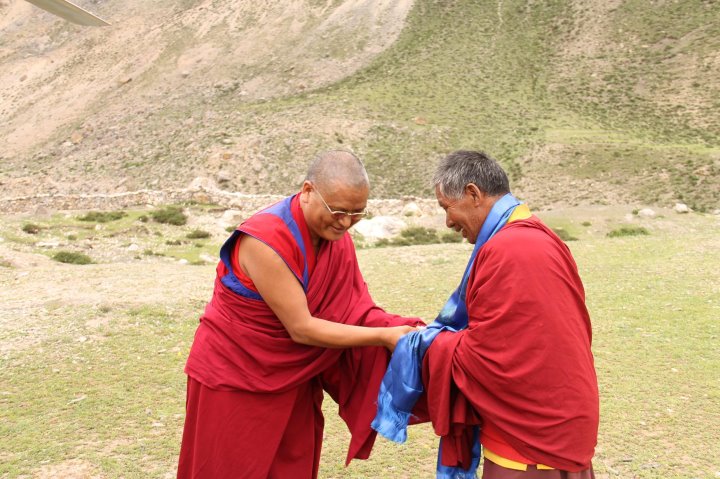
In that year, he entered the ranks of the Yungdrung Bon’s Teaching and Practice Assembly and received the transmission of the three main teachings of Bön: the outer, inner, and secret, including the scriptures, commentaries, and practical instructions. He also obtained the transmission of most of the teachings of the Jalupa Shardza Tashi Gyaltsen Rinpoche from the great dzogchen yogi of Dzogchen and abbot of Tsédruk, Tsondru Gyaltsen Rinpoche. Under the guidance of Geshe Yungdrung Namgyal, also known as Geshe Tsöndru Gongpel, he also studied the philosophical texts of other traditions which greatly enhanced his understanding of Bön’s own scriptures. As a result, he became an expert in explaining, debating, and composing on both the scriptures of Bön as well as other traditions.
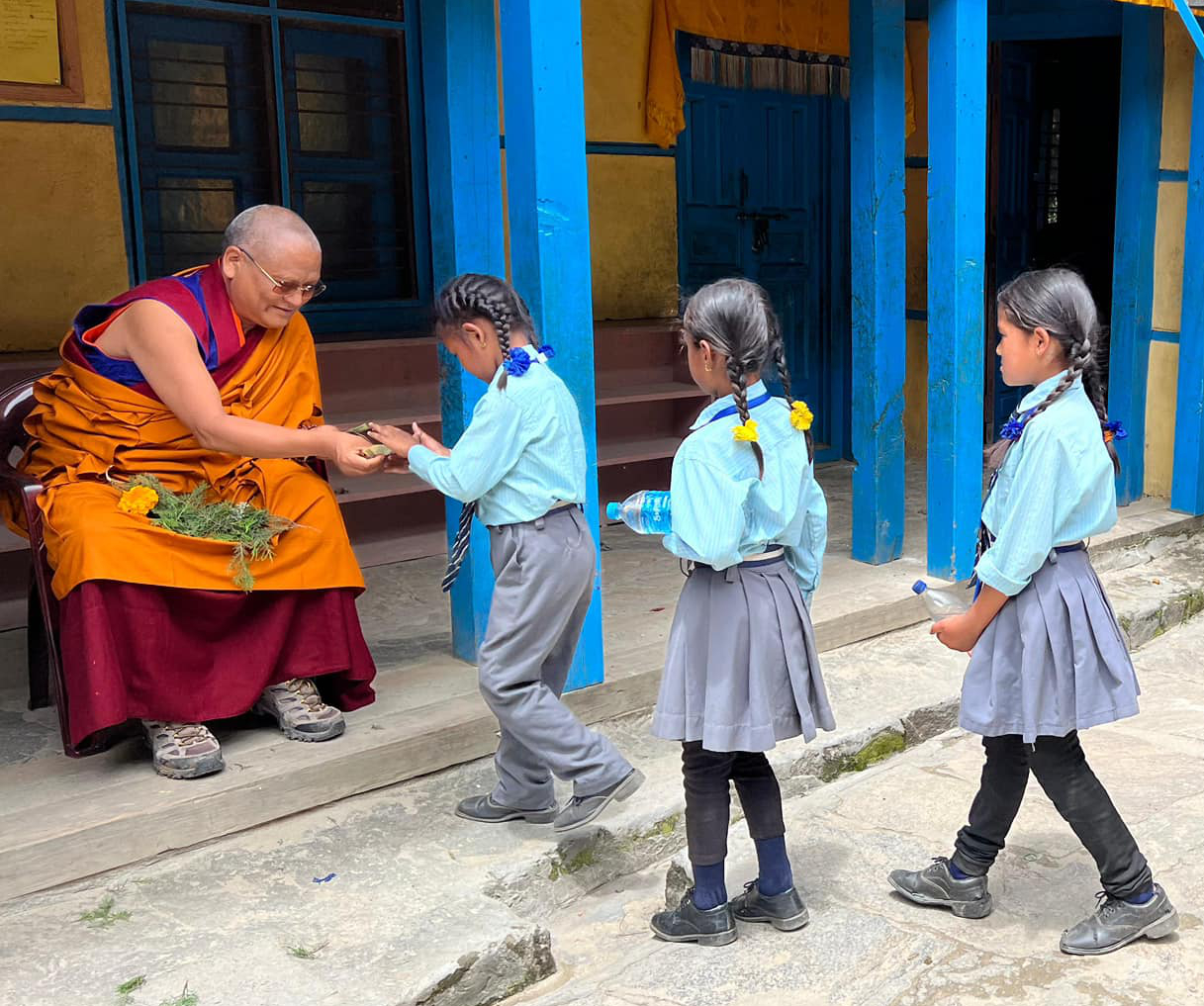
On February 21, 1989 after presenting oral and written examinations on the vast classical texts in the great temple of Menri Monastery, he received the title of Gewé Shé Nyen, often shortened to Geshe, the equivalent of a Doctorate of Divinity and Science. For three years after that, he served as the senior professor of the Department of Philosophy and Buddhist Studies at the Shen Institute of Medicine at Menri.
In 1992, both His Holiness the 33rd Menri Trizin and Menri Yongdzin Tenzin Namdak Rinpoche bestowed upon him the sacred obligation of assuming the position of Menri Pönlop, which was accepted by him on the 5th day of the 1st Tibetan month, coinciding with the birthday celebration of the Great Master and founder of Menri, Nyammé Sherap Gyaltsen. From that time forward, he has been fully responsible for the activities of the Yungdrung Bön Academy, providing extensive teachings and conferring the title of Geshe upon students who complete their doctorate studies.
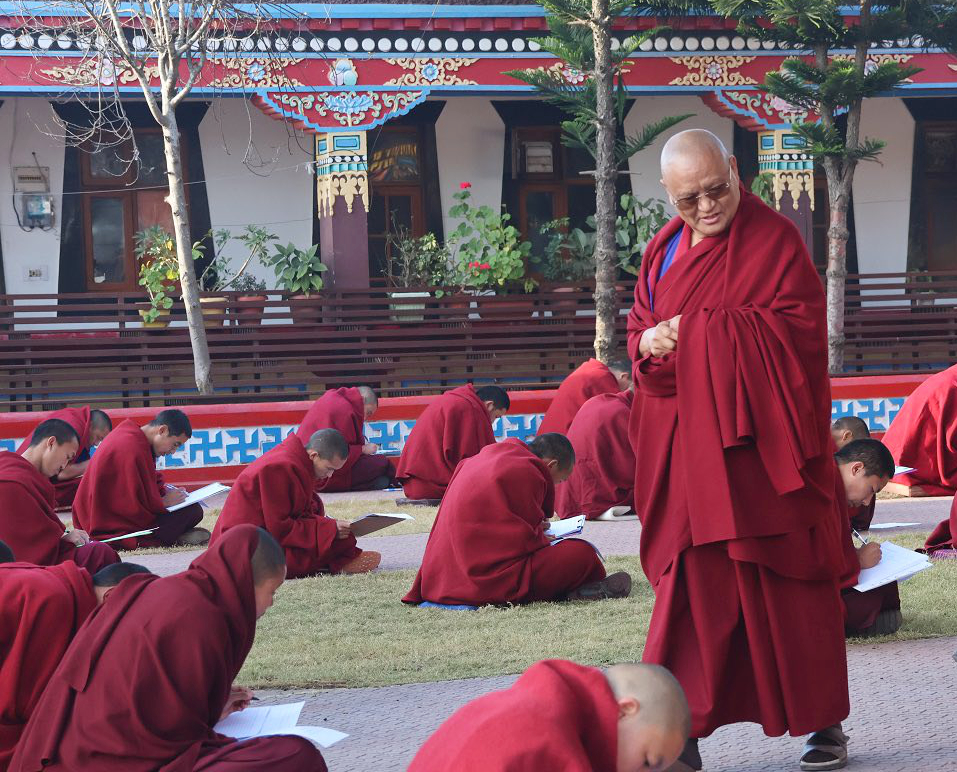
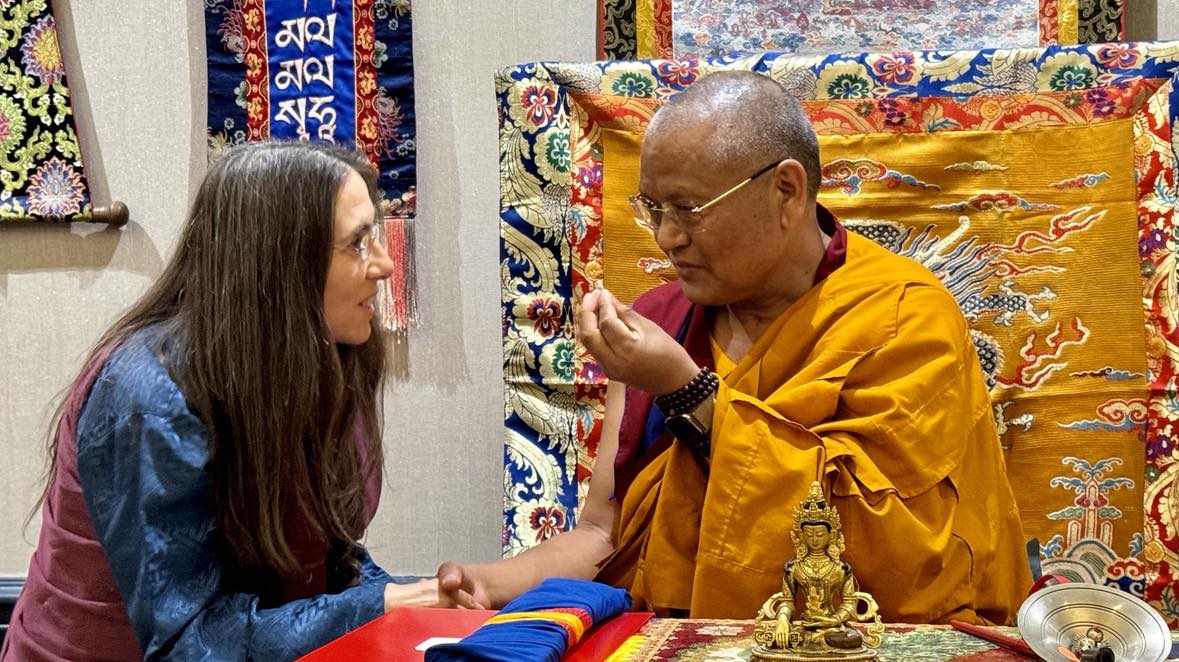
Because His Eminence works tirelessly to fulfill his role as Menri Pönlop, to support lamas and disciples, travels the world to offer teachings, transmissions, empowerments, and scholarly knowledge to any interested persons regardless of their status or affiliation, it is impossible to list but a few examples here.
His Eminence has traveled widely to give teachings and empowerments, to speak at universities and conferences, acted as an executive member of Dolpo and Himalayan organizations, been interviewed worldwide for television and radio, filmed for documentaries, and acted as a consultant for books and other projects involving Bön religion and culture. In spite of his ongoing busy schedule, in 2004 he underwent a forty-nine day solitary retreat. This is an example of how he is a master of both knowledge and experience.
Also in 2004, he established a Bön center named Dzogchen Samten Ling in the southern part of France. In September of that same year, upon returning to Menri Monastery, he presided over discussions about modernizing the examination system for the Menri students. As a result of those discussions, the groundwork for an updated examination system was put into place. He has been instrumental in the planning and establishment of bestowing full ordination on the nuns of Radna Menling, establishing a dialectic school for them that bestows the title of Geshe, and organizing a student exchange between the medical colleges of Menri Monastery and Triten Norbutsé Monastery in Nepal. In 2009, he established Khyungdzong Wödsel Ling in California in order to support Bön teaching, as well as cultural, humanitarian, and charitable activities in a variety of ways.

In 2012, after much planning and organizing, His Eminence was able to open a free healthcare clinic in his home village of Tsarka in Upper Dolpo, Nepal. Upper Dolpo is the most remote and least developed district in Nepal and is cut off from the rest of Nepal by a series of high mountain passes. Because of this, it is isolated from the rest of the world by snow for many months of the year. At the request of the local villagers and nomads, H.E. Menri Pönlop Rinpoche, with the help of many generous donors, built the medical clinic and continues to provide for its supplies and staffing year round. The Dolpo Tsaga Welfare Healthcare Clinic provides free healthcare and health education to any resident of Upper Dolpo regardless of religion or status. Prior to the availability of healthcare, infant mortality was over 50%, maternal mortality was over 25%, and simple cuts and fractures could easily lead to sepsis and death. (For more about the clinic or to support their mission, go to KWLing.ORG )

Although His Eminence reminds students and disciples of the ample literature already available by previous masters, he has also written many articles and essays relating to Bön religion and culture when requested or needed. A collection of these writings in Tibetan was published in 2013 by Gyalshen Institute entitled Selected Writings of Menri Lopön Yangtön Trinley Nyima Rinpoche. Around this same time, His Eminence was deeply involved in writing an Encyclopedia of the Bön Religion. Feeling that a great deal of Bönpo language, history, culture, and concepts were in danger of being lost due to the influence of the modern world on younger generations, he began the enormous task of documenting everything in a Bön specific encyclopedia. Pönlop Rinpoche’s new encyclopedia contains more than twelve thousand different entries, which include comprehensive articles and definitions. Entries include:
- Tibetan and Zhang Zhung words and terminology specific to the Bön religion
- Biographies of Bönpo scholars and practitioners, both historical and contemporary
- Descriptions of significant places in Bön history
- Descriptions of Bön religious symbols, images, and objects
- Names and descriptions of Bön deities
Scholars of Tibetan culture regularly have problems correctly understanding the language in Bönpo texts because such texts use different words, or familiar words that have different meanings than the terminology used by Tibetan Buddhists. A work of this scope on Bön has never been published before. Although the Bön Encyclopedia is in the Tibetan language, after the initial publication Lopön Rinpoche hopes to have it translated into English. Currently, the encyclopedia is undergoing a final edit.
Considering the tireless activity of His Eminence, this is but a sample of his extraordinary works and wisdom. It is truly beyond measure or description. On this auspicious day of the anniversary of his birth, it is especially powerful to engage in acts of virtue and to refrain from acts of nonvirtue, and to practice according to the advice and teachings of His Eminence and to dedicate for the benefit of his long and indestructible lifespan.
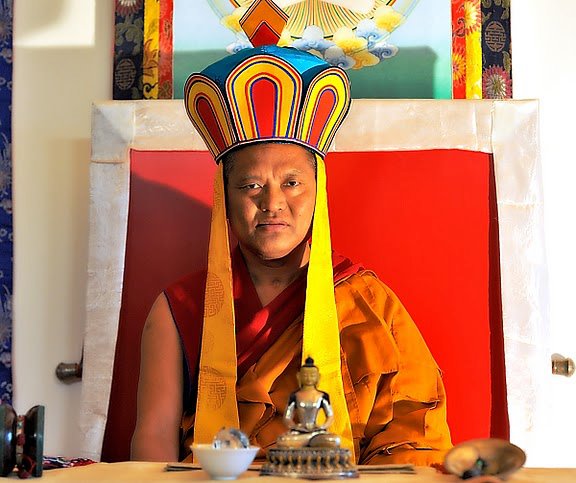
Supplication to Menri Pönlop Rinpoché
སྨན་རིའི་དཔོན་སློབ་རིན་པོ་ཆེའི་གསོལ་འདབེས།
ཨེ་མ་ཧོ། མཁྱེན་བརྩེའི་ཡོན་ཏན་ཀུན་རྫོགས་ངོ་བོ་ཉིད། བླ་མེད་ཐེག་པའི་མཛོད་འཛིན་ཡ་ངལ་བ།
འཕྲིན་ལས་རྣམ་བཞིའི་ཉི་མ་རབ་སྤྲོས་ཏེ། ཞི་བདེའི་བཀྲ་ཤིས་བསྟན་འགྲོའི་གསལ་བྱེད་ཤོག།
སྨན་རིའི་ཁྲི་འཛིན་༣༣པ་རིན་པོ་ཆེ་མཆོག་གིས་ཕྱི་ལོ་༢༠༡༢ཟླ༡༡་ཚེས༢༣ལ་བསྟོད་པའོ།
é ma ho, khyen tsé yön ten kün dzok ngo wo nyi, la mé tek pé dzö dzin ya ngal wa,
trin lé nam zhi nyi ma rap trö té, zhi dé ta shi ten drö sal jé shok
Amazing!
You have the essential nature of the completely perfected qualities of knowledge and kindness. A member of the Ya Ngal lineage, you hold the treasury of the unsurpassed vehicle.
May the bright sun which radiates your four kinds of activities illuminate both beings and the teachings with the auspiciousness of peace and happiness!
(Written by the supreme 33rd Menri Trizin Rinpoché, Western date 11/23/2012)
ཨེ་མ་ཧོ། སྤོང་ལམ་མགོན་པོས་རྣམ་བཞིའི་ཁྲིམས་དཔོན་མཛད། སྒྱུར་ལམ་དབང་པོས་རིག་འཛིན་བཞིའི་ལམ་སྟོན།
གྲལ་ལམ་མངའ་བདག་སྣང་བཞིའི་དོན་གསལ་མཛད། འཕྲིན་ལས་རྣམ་བཞིས་བསྟན་འགྲོ་བསྐྱང་གྱུར་ཅིག།
é ma ho, pong lam gön pö nam zhi trim pön dzé, gyur lam wang pö rik dzin zhi lam tön,
dröl lam nga dak nang zhi dön sel dzé, trin lé nam zhi ten dro kyang gyur chik
Amazing!
You are a master of the path of renunciation, and you oversee the four kinds of discipline.
You are a leader of the path of transformation, and you guide along the path of the four levels of rikdzin.
You are a lord of the path of liberation, and you clarify the meaning of the four visions.
Through the four kinds of sacred activity, may you sustain the doctrine as well as migrating beings!
Written by His Eminence Yongdzin Tenzin Namdak Rinpoché Western date 3/31/2012
Raven Cypress Wood ©All Rights Reserved. No content, in part or in whole, is allowed to be used without direct permission from the author.
Did you enjoy this content? This article is made possible by generous donors who want content like this to continue to be available. Don’t want to miss a post? Scroll to the bottom and click “Follow this blog.”
Join the mandala of Nine Ways supporters by donating through one of the services listed below.









 Nine Ways