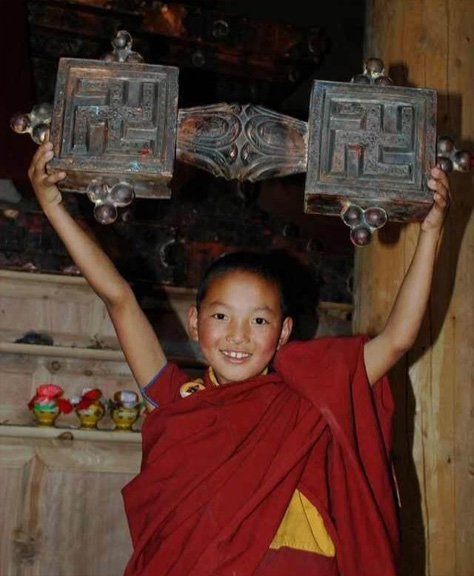
A young boy holds a wooden chakshing, symbol of Buddha Tonpa Shenrap Miwo
A young boy holds a wooden chakshing, symbol of Buddha Tonpa Shenrap Miwo
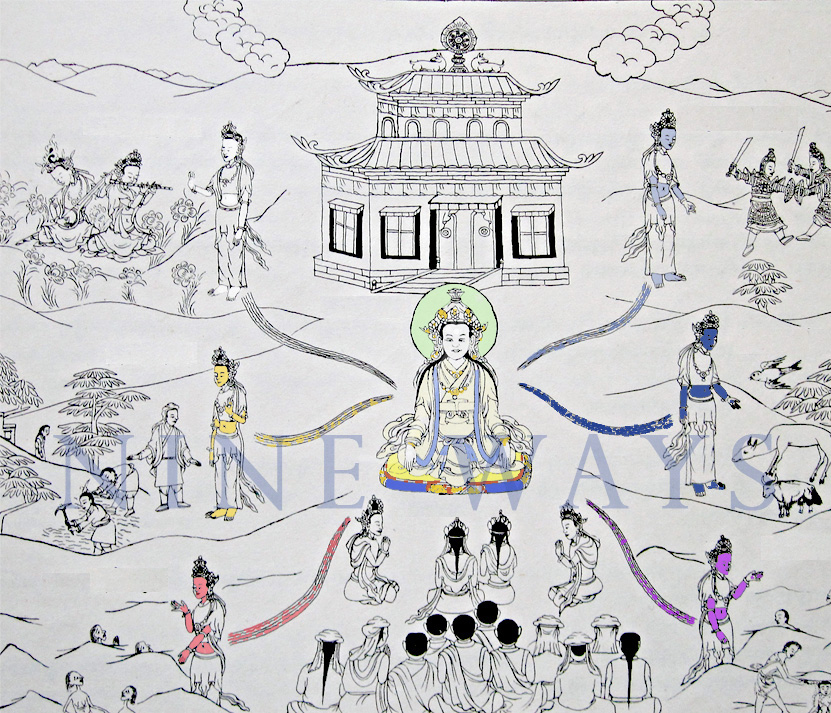
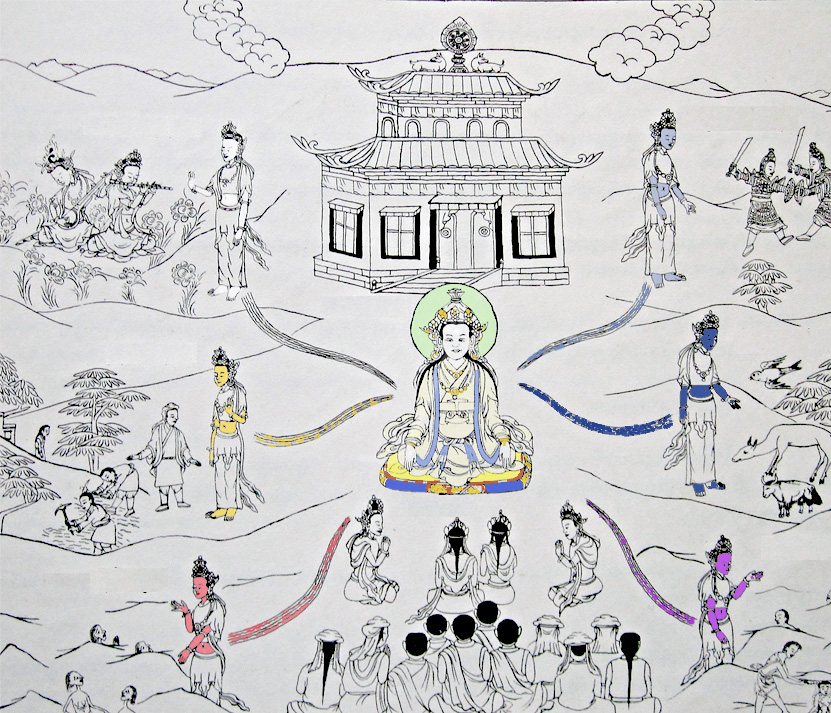
Buddha Tönpa Shenrap Miwo Emanating Buddhas into each of the six realms of cyclic existence
In order to guide sentient beings out of their suffering and to realization and liberation, Buddha Tönpa Shenrap emanated countless manifestations of himself throughout all the realms of existence. Although these emanations appeared in different forms according to sentient being’s understanding, his mind remained unchanged.
In the Yungdrung Bön tradition, it is believed that until a being reaches that state of buddhahood, they are bound to be reborn again and again throughout the six realms of cyclic existence. These six realms of cyclic existence, or six destinies, are from the lowest to the highest: the hell realm, the hungry ghost realm, the animal realm, the human realm, the demi-god realm and the god realm. (Here, god refers to beings that can have great power and meditative realization but who are still bound by karma.) Because of this, the Buddha emanated six enlightened beings from his mind into each of these realms. These six enlightened beings are of one essence but due to the specific suffering and obstacles of the beings within each realm, they each emphasize a particular quality for the predominant suffering related to that realm.
Because the predominant suffering related to the hell realm arises from hatred, this Buddha emphasizes teachings of love. Because the predominant suffering related to the hungry ghost realm arises from greed, this Buddha emphasizes teachings of generosity. Because the predominant suffering related to the animal realm arises from ignorance, this Buddha emphasizes teachings of wisdom and awareness. Because the predominant suffering related to the human realm arises from jealousy, this Buddha emphasizes teachings related to openness. Because the predominant suffering related to the demi-god realm arises from pride and envy, this Buddha emphasizes teachings of peacefulness. Because the predominant suffering related to the god realm arises from contentment and laziness, this Buddha emphasizes teachings of diligence.
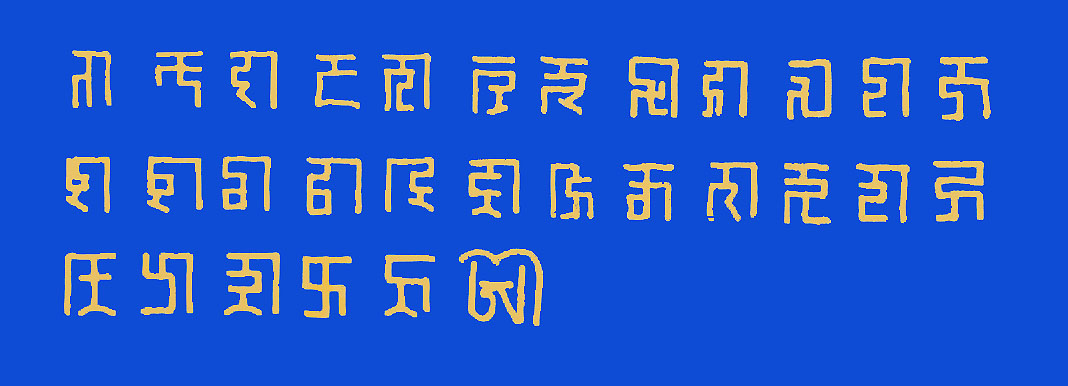
According to the Yungdrung Bön, sometime before the 2nd Tibetan king, the letters of the Tibetan alphabet were created from the letters of the ancient Zhang Zhung alphabet. Yung Drung Bön was the state religion of the ancient country of Zhang Zhung and the texts were written in this language. However, due to great persecution in the 7th century, the texts had to be hidden in order to protect them from being forever destroyed. During this time, the Zhang Zhung language almost became extinct. However, there were a few Bön lamas who passed on their knowledge of this language. As the scriptures were being copied into the Tibetan language, many of them preserved their titles and the first few lines of texts in the old language of Zhang Zhung. This can be seen in the scriptures today.
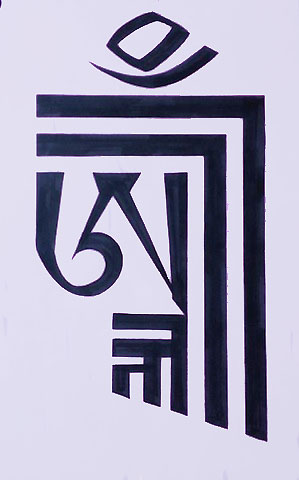
Calligraphy of the Bön syllable OM in the Zhang Zhung script as drawn by Geshe Chaphur Lhundrup of Gyalshen Institute. If you would like to purchase a calligraphy of this, or another syllable, contact Gyalshen.org.
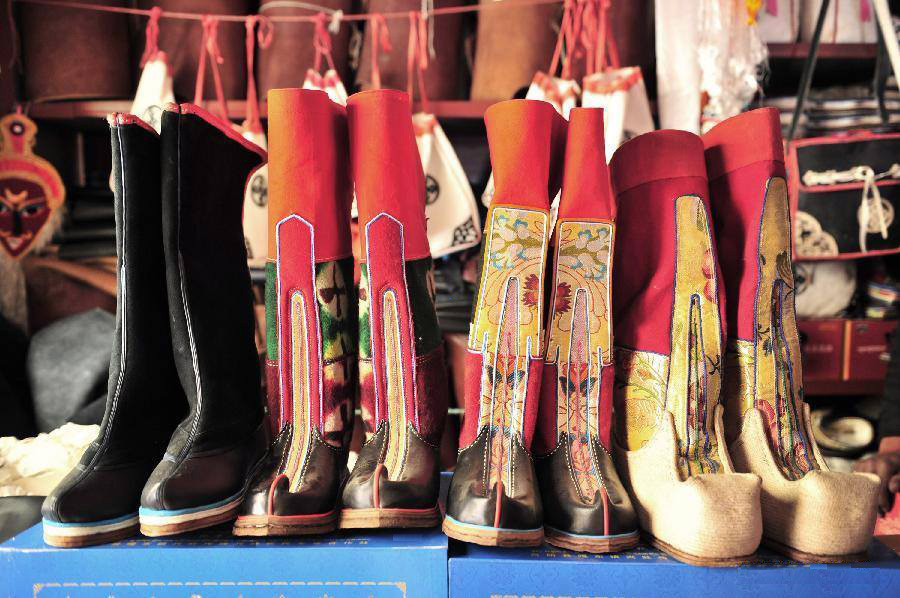
Traditional hand-made Tibetan style boots
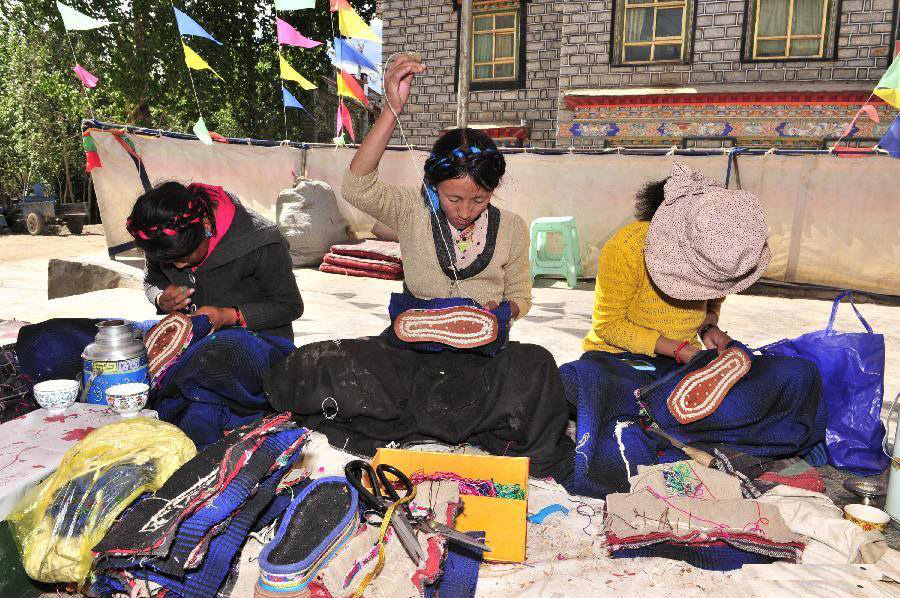
Traditional boots and clothing are made for special occasions and festivals
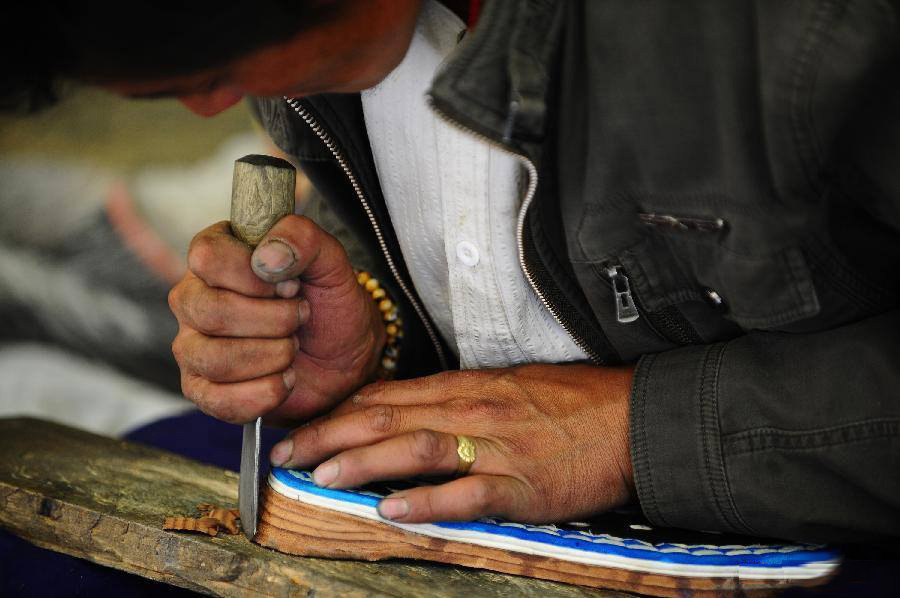
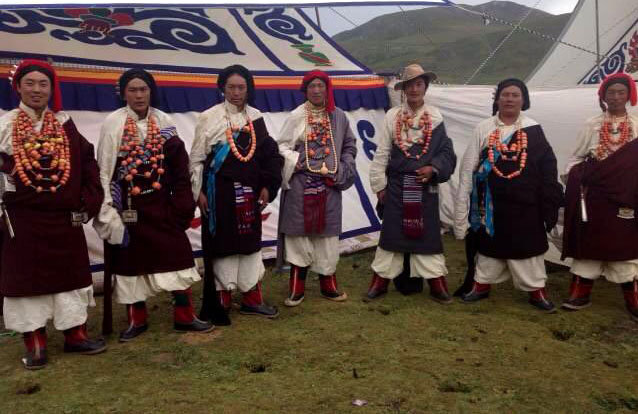
Men wearing traditional dress including Tibetan style boots

Photo by Marieke ten Wolde
This is a view into a traditional Tibetan household in Kham, Tibet. This photo was taken by the photographer, Marieke ten Wolde, who documents her travels throughout Tibet with her camera and on her blog. You can see an example of her work in her new book about changes and modern Tibet, Freeing the Fish.
http://marieketenwolde.wordpress.com/2013/05/28/freeing-the-fish-the-book/
 Nine Ways