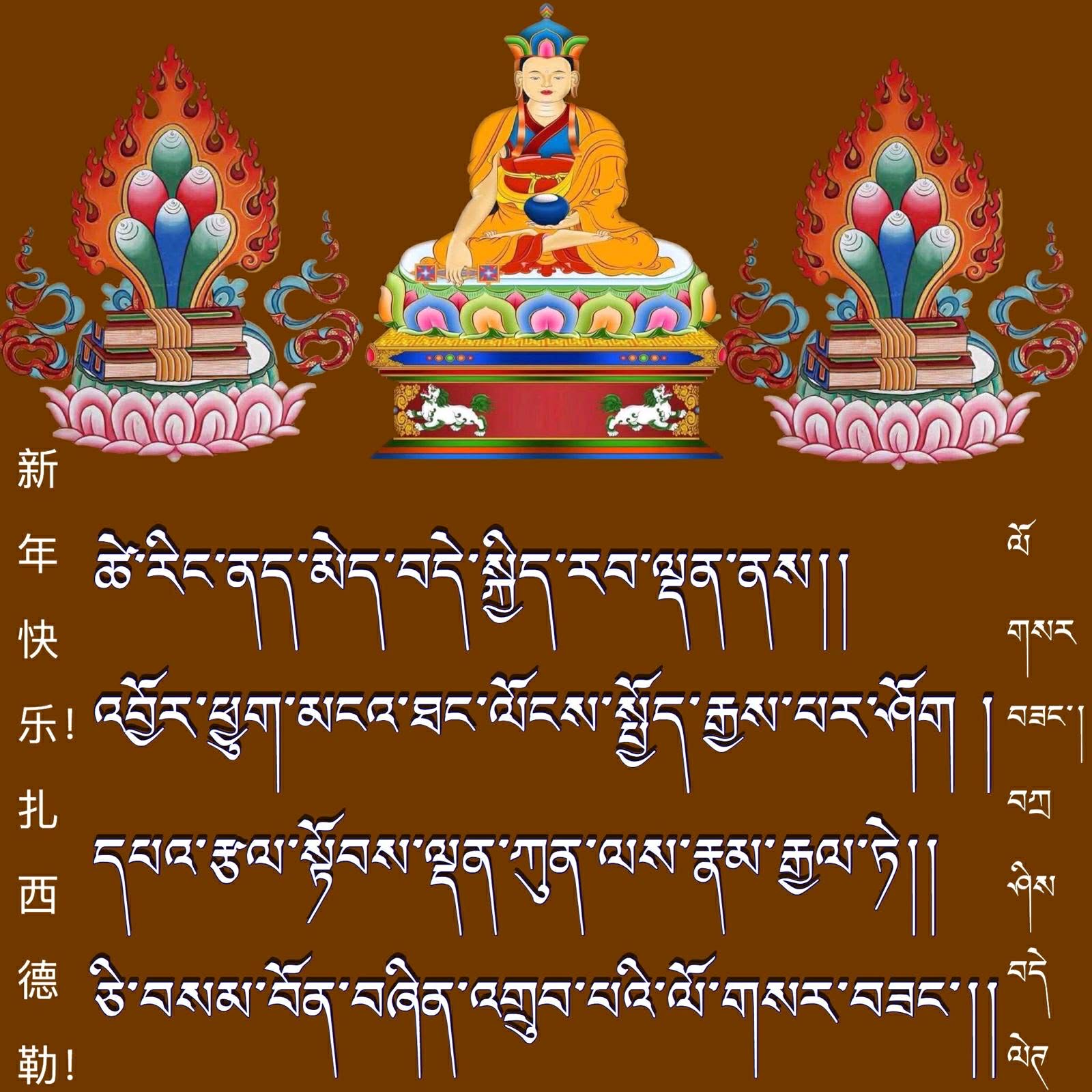
May you live long, be free of illness, and have happiness and joy! May your wealth, power, and resources increase! May you possess bravery and strength, and be victorious over everything! May this new year bring you good fortune and every wish come true, just as you wish them to be!
Did you enjoy this content? This article is made possible by generous donors who want content like this to continue to be available. Don’t want to miss a post? Scroll to the bottom and click “Follow this blog.”
Join the mandala of Nine Ways supporters by donating through one of the services listed below.
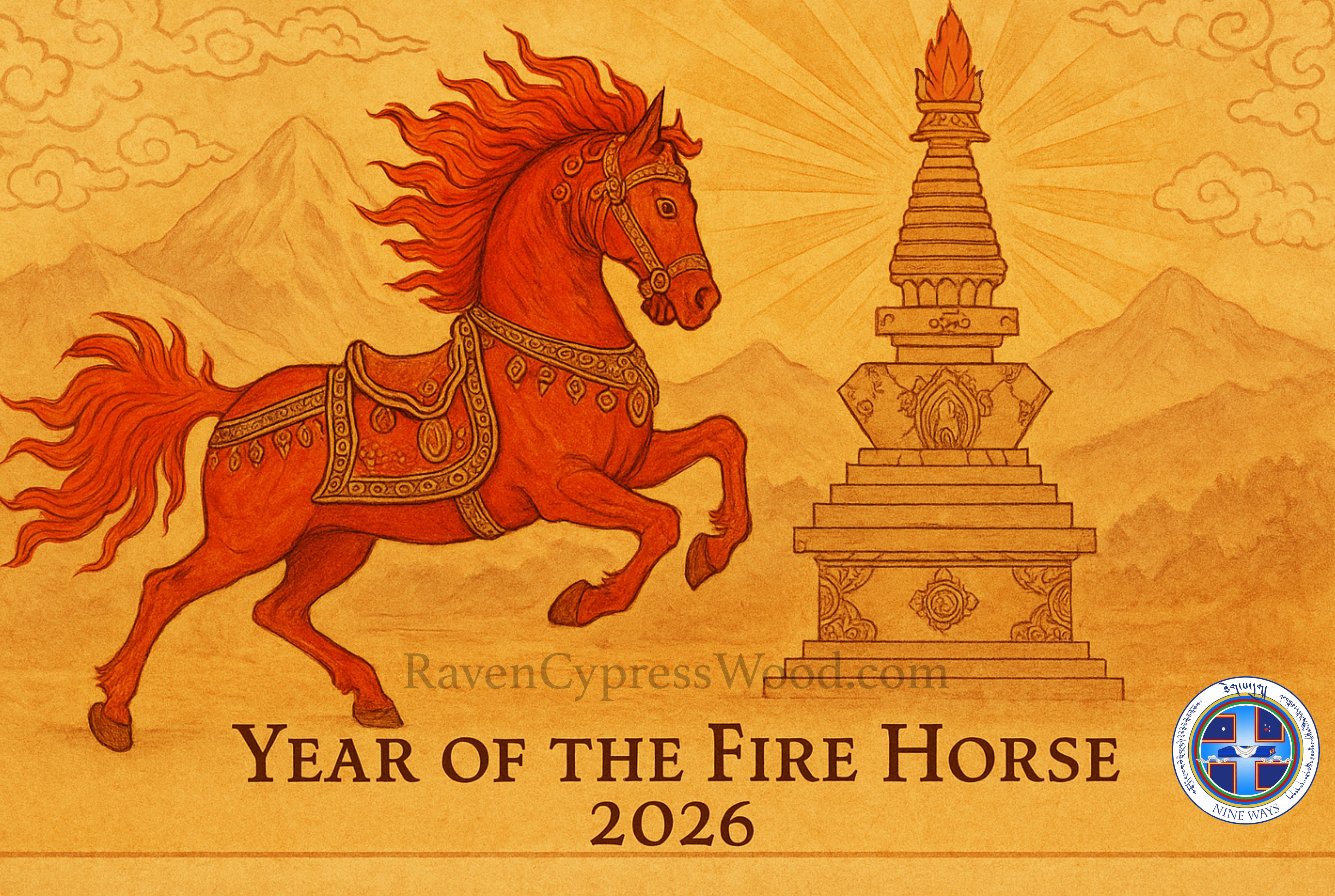
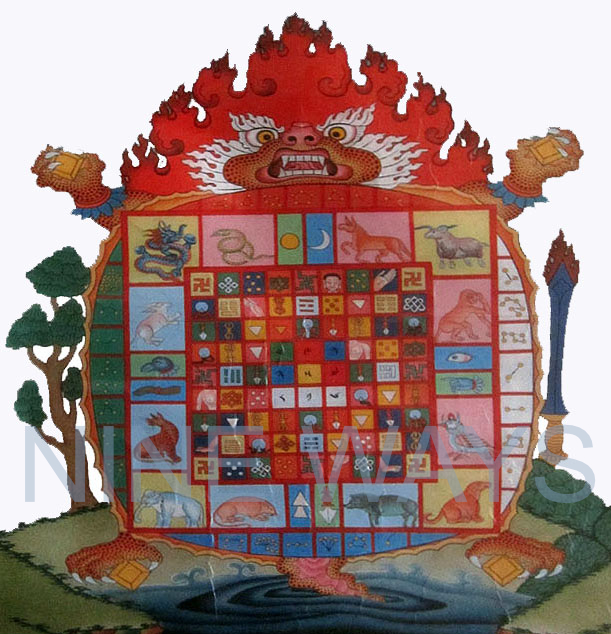
February 18, 2026 begins the Tibetan lunar year of the Male Fire Horse. In general according to Tibetan astrology, it is believed that this will be a year where the common people will be happier, have more influence over their own lives, and will act more from a motivation of virtue. Although there is a risk of drought because of less rainfall, there will be less illness and hunger overall. For those individuals born during this Year of the Fire Horse, their vitality will be governed by the element of FIRE, their physical health will be governed by the element of WATER, their charisma or personal power will be governed by the element of FIRE, their lungta, or element of good luck, will be governed by the element of METAL or SPACE, and their soul will be governed by the element of WOOD or WIND. Everyone has these same five natal energies governed by one of the five elements. Each year, these natal energies are in relation to the elemental energies of that specific year. There are five different possible kinds of relationships between the elements that are symbolically described as mother, son, friend, neutral, or enemy. The calculation of these relationships determines an overall potential for how the energetic forces of the year might be experienced by the individual.
For anyone born during a previous year of the Horse who thus has the natal sign of Horse, this year, as well as other Horse years, is considered a time of vulnerability to obstacles. This same astrological principle applies for each of the other eleven animal signs. Therefore, it is recommended to make an effort to engage more with virtuous activities of body, speech, and mind and to engage less with non-virtuous activities as a method to avert obstacles. According to the words of Buddha Tönpa Shenrap Miwoché, the practice of developing sincere unbiased and unlimited compassion is the greatest of all protections. Additionally, each year specific prayers and rituals are suggested in accordance with specific obstacles that have a potential to arise.
Natal Animal Signs and Recommendations to Avert Obstacles
During the year of the Fire Horse of 2026, the following natal signs have varying possibilities for obstacles during the year. They are listed below from most likely to least likely. In order to avert obstacles and challenges, the astrological text gives corresponding recommendations. Often it is recommended to avoid certain activities or environments, and to engage in activities that avert the risk and/or strengthen qualities that might be challenged or weakened. These prayers and rituals can be performed by the individual practitioner or they can be sponsored to be performed by another qualified practitioner such as by monks or nuns. For this reason, the names of the specific prayers and rituals in Tibetan are included below to make it easier for Western practitioners to make these requests. Anyone needing help in making arrangements with the nuns at Radna Menling can contact Raven Cypress Wood at RCW@Gmail.com. It is also possible to sponsor prayers and rituals with monks at either Menri Monastery or Triten Norbutse. H.E. Menri Pönlop Rinpoche’s center in the United States, Khyungdzong Wödsel Ling is assisting with this in collaboration with the monks at Menri Monastery.
What Natal Tibetan Astrological Animal Sign are You?
Because the date of the Tibetan New Year is calculated according to a lunar calendar, the date changes each year. Additionally, this date is vastly different from the Western New Year that is based upon a solar calendar. Therefore, one must know the date of Losar during the birth year in order to ascertain the natal sign. For the aid of the reader, Nine Ways is providing a link to a Tibetan Calendar Converter. Simply type the birth year into the search box at the top and click “Make Calendar.” This will render a Tibetan lunar calendar for that year. If you were born before the beginning date of the rendered calendar, type in the previous year and scroll to the bottom. This is applicable especially to those born in January and February. Calendar link: https://www.lotsawahouse.org/Static/tools/phugpa.html
For those natal animal signs that are under the influence of adverse indications for the Year of the Fire Horse, the Yungdrung Bön religious tradition is rich in methods to reverse, neutralize, or balance these conditions and to strengthen positive conditions. Some natal signs are given multiple suggestions to avert obstacles, but it is not necessary to complete each activity. These suggested prayers and rituals can be performed by the practitioner, another qualified practitioner or lama, or by a renunciate group of monks or nuns.
For those with the natal sign of Horse born after the Tibetan New Year of 1930, 1942, 1954, 1966, 1978, 1990, 2002, or 2014, it is important to avoid sick people and also to not to begin new construction on homes or other construction projects that are for personal use. However, if it must be done or if one has to be near those who are ill, it is important to perform prayers and rituals to avert obstacles. Performing a longevity practice, receiving a longevity empowerment, or reciting a longevity mantra is strongly recommended in order to support the lifespan and the vitality. Recommended prayers and rituals to avert obstacles: (It is not necessary to do every recommendation.)
Recitation of the Kham Chen Dönpa. The Kham Chen is the Perfection of Wisdom, or [Sanskrit: Prajnaparamita] scriptures in the Yungdrung Bön. These scriptures are comprised of sixteen volumes. The source and embodiment of the scriptures is the female Buddha Sherap Lopelma, an emanation of Sherap Jamma. She has given us The Heartdrop of Jamma and stated that reciting this short text with faith and devotion is the same as reciting the entire Ka section of the Yungdrung Bön canon which is the collection of the teachings given by the buddhas and is comprised by hundreds of volumes. The English, Spanish, and French language translations are available here: https://www.lulu.com/search?sortBy=RELEVANCE&page=1&q=raven+cypress+wood&pageSize=10&adult_audience_rating=00
བརྒྱ་བཞི།
Four Hundred Offerings, Gya Zhi. This is a ritual that includes an offering of one hundred butter lamps, one hundred tsa tsa, one hundred food offering torma, and one hundred ransom effigies. It can be performed by the individual or sponsored.
Hundred Thousand Recitations, Bum Dönpa. There are a number of scriptures included in this category. This recitation can be performed by the individual or sponsored.
ལྡོག་གཟུངས།
Reversing Mantras, Dok Zung. This is a text filled with mantras that have the power to reverse or repel obstacles and negative energies. It can be performed by the individual or sponsored.
གེགས་ལྡོག
Reversing Obstacles, Gek Dok. This ritual is specifically for reversing or repelling obstacles. This recitation can be performed by the individual or sponsored.
དགེ་སློང་བཞི་སྡེ་ལ་དྲོ་དྲངས་བ།
Offering Four Renunciates a Meal, Gé Long Zhidé la Dro Drangwa. Here, a meal is provided for four monks or nuns as a way to remove obstacles.
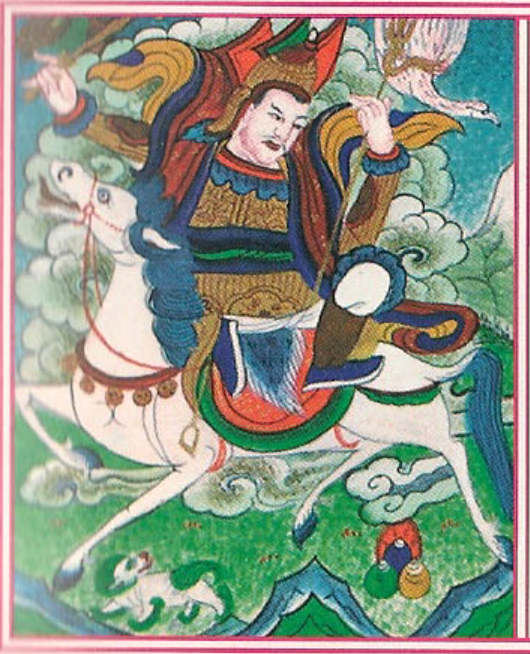
For those with the natal sign of Rat born after the Tibetan New Year in 1936, 1948, 1960, 1972, 1984, 1996, 2008, and 2020: these people have less of a chance for a significant obstacle than those with a Horse sign, but it is still significant. Therefore, it is recommended to avoid legal issues if possible, to engage in practices to raise the lungta such as raising prayer flags, and to invoke their personal protectors known as Drala. Dra La translates as warrior or guardian deity for the enemy or opponent. They are an ancient class of powerful guardians. Each individual has their own personal drala that protects them. It is also very effective and beneficial to repair or construct roads or trails especially between a community and a temple or hermitage. For example, the nuns of Radna Menling are now raising funds to repair and fortify the road to their nunnery. Supporting this endeavor is a way to avert obstacles. (This is a link to the GOFUNDME page created by Sandrine Perkins to support the road construction for the nuns: https://www.gofundme.com/f/road-from-menri-monastery-to-ratna-menling-nunnery) Recommended prayers and rituals to avert obstacles:
མདོ་མང།
Many Sutras Recitation, Do Mang. This is recitation of a text that is a compilation of supplications, invocations, Praises, and Aspirational Prayers. Recitation of this text can be done by the individual or sponsored.
སྒྲ་བླ་གསོལ་བ།
Supplication of the Drala, Drala Solwa. See above paragraph for description. Recitation of this text can be done by the individual or sponsored.
རྒྱལ་མཚན་རྩེ་མོ།
Raising a Victory Banner on the Summit, Gyaltsen Tsémo. In general, this is a ritual for raising the lungta, or force of good luck. It includes raising prayer flags and/or invoking the deities of good luck and prosperity. For more about the energetic force of lungta, see previous article: https://ravencypresswood.com/2022/04/16/what-is-lungta/. Recitation of this text can be done by the individual or sponsored.
Constructing or Repairing Roads, Lam Chö. See above paragraph for description and opportunity to engage in this practice.
སྲོག་བསླུ་ཚེ་ཐར།
Life Force Ransom and Rescuing Life, Sok Lu Tsé Thar. This is a ransom offering and rescue of animals that are destined to be slaughtered. These animals are given consecrations and empowerments and marked so that it is known that they are forever not to be harmed or killed. When animals are released, they should be released in a supportive environment and in conditions that provide for their needs. Saving the life of a human being who has been sentenced to death is the greatest tsé thar. For more about the Tsé Thar ritual, see previous article: https://ravencypresswood.com/2020/04/15/how-to-restore-the-lifespan-by-saving-the-life-of-other-beings/
Depiction of the Dra la
For those with the natal sign of Tiger or Dog born after the Tibetan New Year in 1938, 1950, 1974, 1986, 1998, 2010, and 2022 (For Tiger) and 1934, 1946, 1958,1970, 1982, 1994, 2006, and 2018 (For Dog): They have a lesser chance of encountering a significant obstacle than Rat signs, but it is recommended to make offerings to accumulate merit, especially through the Gya Zhi, The Four Hundred Offerings. In this ritual ceremony a total of four hundred offerings are made: one hundred butter lamps, one hundred food offering torma, one hundred tsa tsa, and one hundred ransom effigies. It is also recommend to invoke one’s drala as described above. Recommended prayers and rituals to avert obstacles:
བརྒྱ་བཞི།
Four Hundred Offerings, Gya Zhi. This is a ritual that includes an offering of one hundred butter lamps, one hundred tsa tsa, one hundred food offering torma, and one hundred ransom effigies in order to accumulate merit.
སྒྲ་བླ་གསོལ་བ།
Supplication of the Drala, Drala Solwa. See above for description. Recitation of this text can be done by the individual or sponsored.
For those with the natal sign of Garuda or Rabbit born after the Tibetan New year in 1933, 1945, 1957, 1969, 1981, 1993, 2005, or 2017 (for Garuda) or 1927, 1939, 1951, 1963, 1975, 1987, 1999, 2011, or 2023 (for Rabbit): it is recommended to avoid starting a personal business, to limit long distance travel, to recite the Medicine Buddha mantra or sutra, and to not take risks with one’s health. It is also recommended to perform or sponsor a Tsé Thar, Life Release. Recommended prayers and rituals to avert obstacles:
སྲོག་བསླུ་ཚེ་ཐར།
Life Force Ransom and Releasing the Life, Sok Lu Tsé Thar. See above for description. This can be done by the individual or sponsored.
སྨེན་ལྷའི་འདོན་པ།
Menla Dönpa, Medicine Buddha recitation of sutra or mantra. This can be done by the individual.
Life Force Ransom and Releasing the Life, Sok Lu Tsé Thar.
For males with the natal sign of Dog (years are above) and females with the natal sign of Dragon born after the New Year in1928, 1940, 1952, 1988, 1964, 1976, 1988, 2000, 2012, or 2024: During this year, the “sky door is open towards them.” Thus, if they are having construction done on their home, the roof should not be put on this year. This will block the sky door and can create obstacles. Recommended prayers and rituals to avert obstacles:
གནམ་མཁའི་སྙིང་པོ།་
Essence of the Sky, Namké Nyingpo. Recitation of this text can be done by the individual or sponsored.
གནམ་སྒོ་གཅོད་པ།
Destroying the Sky Door, Nam Go Chöpa. Recitation of this text can be done by the individual or sponsored.
For males with the natal sign of Pig and females with the natal sign of Snake: During this year, the “earth door is open towards them.”Thus, it is recommended to not dig into the earth such as for construction and to recite or sponsor the recitation of the Sa’i Nyingpo, Essence of the Earth or Destroying the Earth Door.
ས་ཡི་སྙིང་པོ།
Essence of the Earth, Sayi Nyingpo. Recitation of this text can be done by the individual or sponsored.
ས་སྒོ་གཅོད་པ།
Destroying the Earth Door, Sa Go Chöpa. Recitation of this text can be done by the individual or sponsored.
Gu Mik, Nine Eyes: According to Tibetan astrology, there is also a calculation known as Gu Mik, Nine Eyes. This applies to anyone whose age is a multiple of nine during the Year of the Fire Horse, i.e. in 2026, anyone aged nine, eighteen, twenty-seven, and so on. For these ages, it is recommended to perform the Gu Mik Choka, The Nine Eyes Correcting Ritual. However, it is very important to note that when someone is born, Tibetan Astrology considers them to be one year old and at their subsequent birthday, they are two years old. According to Western calculation, they are only one year old at their subsequent birthday. Therefore, from a Western calculation, these individuals are one year younger. For accuracy, it is important to always confirm the animal sign rather than the listed age when referencing astrological texts or information. This calculation has been done for 2026 and is given below.
Born After Losar in:
Natal Sign
Tibetan Age in 2026
Western Age in 2026
2018
ཁྱི། Dog
9
8
2009
གླང་། Ox/Elephant
18
17
2000
འབྲུག Dragon
27
26
1991
ལུག། Sheep
36
35
1982
ཁྱི། Dog
45
44
1973
གླང་། Ox/Elephant
54
53
1964
འབྲུག Dragon
63
62
1955
ལུག། Sheep
72
71
1946
ཁྱི། Dog
81
80
1937
གླང་། Ox/Elephant
90
89
1928
འབྲུག Dragon
99
98
Those born after Tibetan New year in 2018, 2010, 2002, 1994, 1986, 1978, 1970, 1962, 1954, 1946, 1938, and 1930, and before the following Tibetan New year; it is important to avoid funerals and especially keep a distance from dead bodies, to limit construction of personal projects, and to keep the place in the home where food is cooked clean and free of defilements during the year of the Fire Horse. If these things do happen, it is important to cleanse by means of cleansing rituals using water. For example, the practice of Nampar Jompa is commonly used to empower water that is then used for cleansing contamination in these kinds of situations.
For any other natal signs, it is generally considered either a good or neutral year although looking in detail at each of the five natal, elemental relationships mentioned above will provide more detailed information.
Qualities of the Horse as a Natal Astrological Birth Sign
In general, the Horse is very energetic with an active mind. It is inspired, motivated and charming. It wants adventure and exploration rather than to stay at home. It is always on the move and in excess this can become a kind of instability or an inability to stick with things long enough to complete them. This life of excitement can sometimes give way to impatience. The Horse can be quite charming, likes to talk, and therefore finds it difficult to keep secrets. Although it appears independent, because of the fear of failure the Horse relies upon the validation and support of friends and family.
The Horse’s positive direction is South. The Horse’s soul day is Tuesday and the life-force day is Friday. These are the best days for beginning new projects and activities that are meant to grow and increase. The obstacle day is Wednesday. This day is best for cleansing and letting things go. It is not a favorable day for beginning new things.
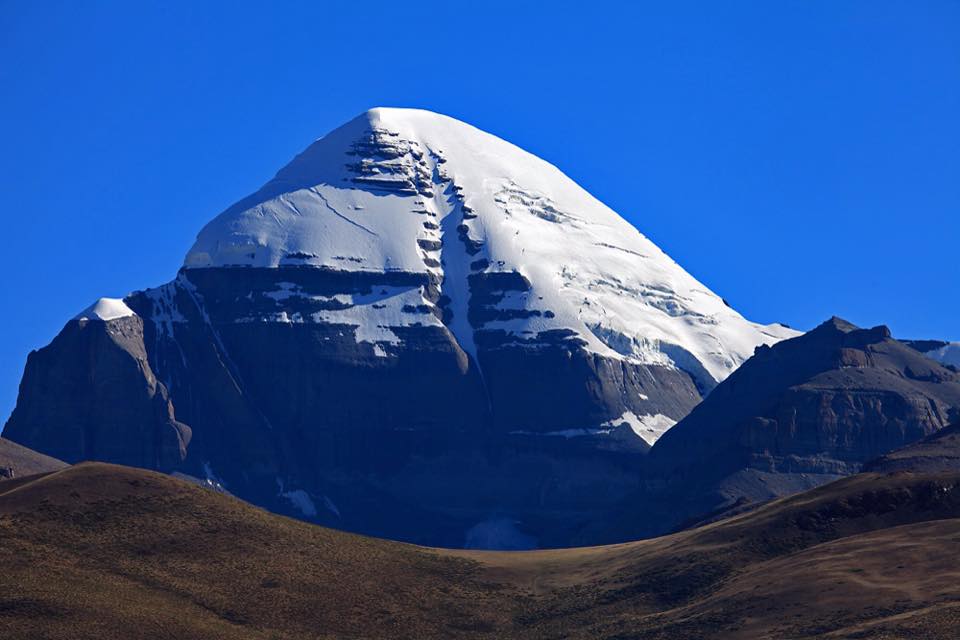
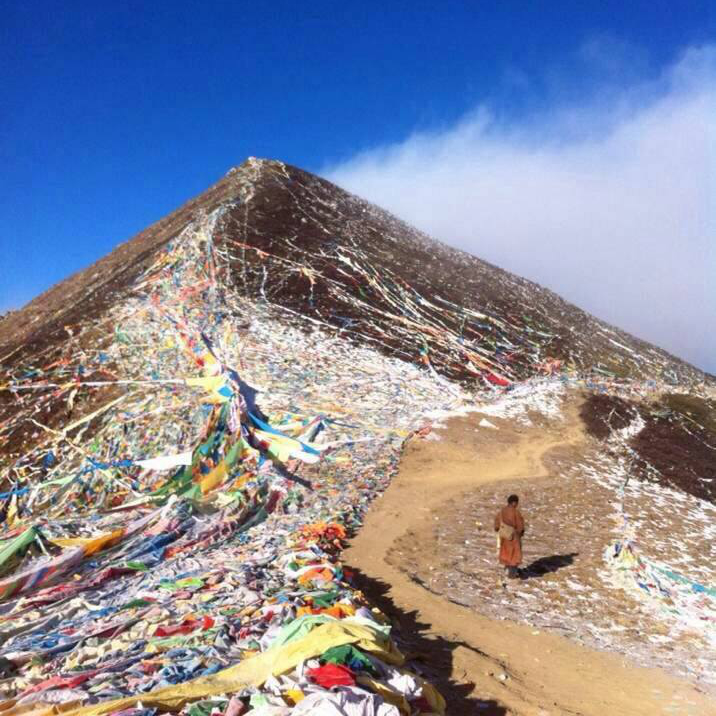
The Southern face of Mount Tisé
Gangkar Tisé
Every sacred site has its own special year when pilgrimage to it is considered especially auspicious. Horse years are especially auspicious times for pilgrimage to the sacred sites of Mount Tisé and Kongpo Bönri.
Although Mount Tisé, or Gang Tisé, is commonly known as Mt. Kailash, it was given the name of Gangkar Tisé by Buddha Tönpa Shenrap himself. In ancient times it was known as Gang Nyen Yabak Shara in reference to a mountain god that resided there. During his time at the mountain teachings and performing miracles, Buddha Tönpa Shenrap renamed it Gangkar Tisé. Gangkar meaning white snow, Ti meaning water, and Sé meaning protector.
Mount Tisé is located in the western part of the Tibetan Plateau. It rises to an altitude of 21,778 feet and is the source of four rivers: the Indus, the Sutlej, the Brahmaputra, and the Ghaghara. Nearby is the sacred Lake Manasarovar and the texts speak of their interwoven relationship.
In 1844 C.E., the Yungdrung Bön sage Karu Drupwang Tenzin Rinchen Gyaltsen, also known simply as Karu Drupwang Rinpoche, wrote a pilgrimage guide to Mount Tisé entitled, An Index of Gang Tisé. This pilgrimage guidebook has become the definitive guide to this sacred mountain and the surrounding area. In H.E. Yongdzin Rinpoche’s pilgrimage guide to Tisé, he frequently quotes from Karu Drupwang Rinpoche’s guidebook. In it, Karu Rinpoche gives detailed descriptions of the mountain’s attributes and the deities and protectors that gather and abide there.
“Especially from the depths of its body, a single, white syllable AH radiates light into the sky which dissolves into this sacred place, blessing it. Therefore, this place is indistinguishable from the enlightened body Künzang. The four corners are like heaps of jewels, and is where all rikdzin and khandro gather on auspicious days to turn the wheel of tsok offerings that increase attainments, clear obstacles, and bestow both the supreme and common accomplishments.”
“Moreover, there are thirteen hidden secret caves, thirteen divine bathing pools, thirteen chortens of sacred relics, and thirteen unchanging landmarks. There are three sites of enlightened body, speech, and mind, three sites of the three protectors, and four manifestations of wisdom and miracles.”
Buddha Tönpa Shenrap traveled to this mountain on his way to Tibet in order to introduce the Yungdrung Bön teachings to the Tibetan population under the guise of retrieving his stolen horses from a group of demons that were trying to provoke him. During his time at Mount Tisé, he was joined by five hundred sempa [Sanskrit: bodhisattvas] and divine, human, and lu [Sankrit: naga] disciples. At the mouth of each of the four rivers that originate here, he taught a specific scripture and left the print of his divine feet in the rocks.
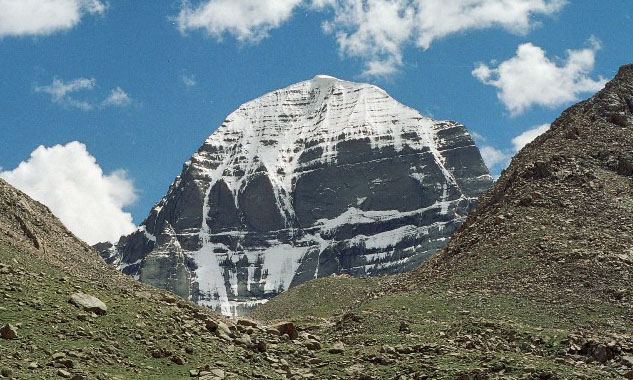
The Northern face of Mount Tisé
Throughout history countless yogis and yoginis such as Tonggyung Tuchen, Lishu Taring, Choza Bönmo, Drenpa Namkha, and Tséwang Rikdzin, to name only a few, practiced and performed miracles here. The warmth and energy of their blessings remain and can be felt. The mountain has many cave, bathing pools, self-appearing syllables, and countless miraculous signs. As for the benefits of this great sacred site, Karu Rinpoche writes this:
“Regarding the benefits of this great mountain, if elaborated, it would be beyond comprehension. But if a few essential points are summarized, this great mountain of snow is known as The Mountain of Enlightenment. It is said that if one takes a step here, even if one tries to go to the lower realms after dying, one will not be able to. If one meditates, practices, circumambulates, frees lives, performs rituals, accumulates merit, gives generously, raises prayer flags, builds stone mounds, or performs any good deeds whether large, medium, or small, all are multiplied by eighteen billion. On auspicious days, this number is even greater. In particular, during the Year of the Horse, the multiplication is beyond imagining.”
Kongpo Bonri
There is one sacred mountain in Tibet that both Buddhists and Bönpo circumambulate counter-clockwise, the Bön way. That mountain is Kongpo Bönri, the Bön Mountain. Located in Southeastern Tibet on the Northern bank of the Yarlung River, Bönri rises to over 14,700 feet in altitude. In general, it is heavily forested and circumambulation of the mountain takes three to seven days. Tourists generally begin their pilgrimage from the Eastern slope.
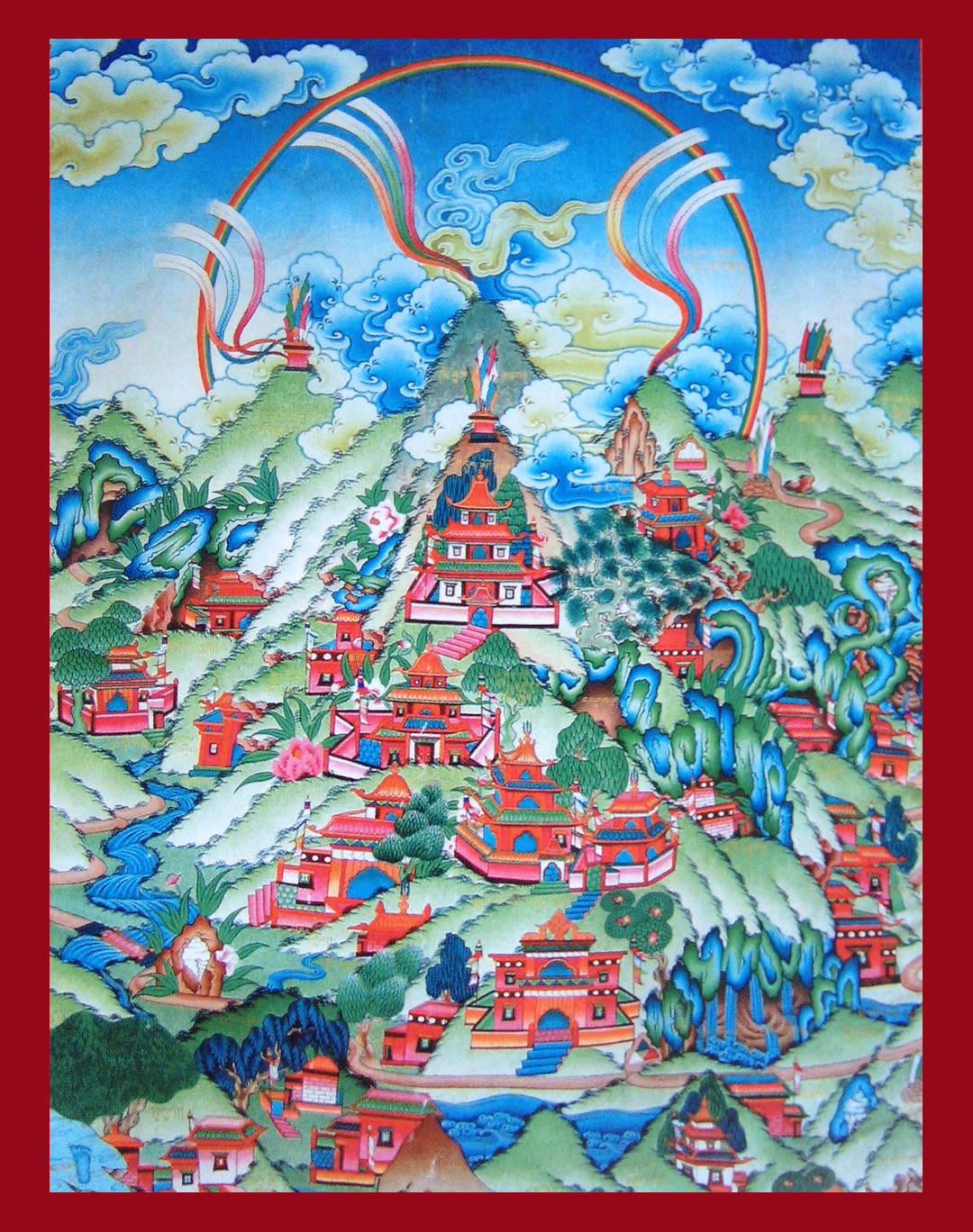
The demon Khyappa having stolen seven of Buddha Tönpa Shenrap’s horses, took them to the Kongpo valley in Southeastern Tibet and hid them beneath the castle of the king of Kongpo. Seeing this as an opportunity to introduce the Yungdrung Bön teachings into Tibet, Tönpa Shenrap followed him. Reaching the Kongpo valley, the demon tried to block the Buddha’s approach with a mountain. Pushing this demon mountain down with the power of his mind, Lord Tönpa Shenrap manifested another mountain in its place in the shape of a spearhead that would be for the benefit of his followers. This was Kongpo Bönri.
Kongpo Bönri, the sacred Bön Mountain
As time passed, visits and pilgrimages to this sacred site became quite rare. However, in the Iron Horse year of 1330 C.E., Togden Ripa Druksé, at the age of 41, opened a sacred door to Bönri. He had been prophesied as an emanation of Takla Mebar that would have such realization that whoever touched his lotus feet would attain liberation within three lifetimes. He spent many years at Bönri practicing and performing miracles. Since that time during Horse Years, the Great Horse Pilgrimage takes place. This is a pilgrimage to Bönri from the faithful around the world regardless of their religious affiliation.
The famed Tulku Loden Nyingpo, born in 1360 C.E., visited Kongpo Bönri and wrote five songs praising the wonderful qualities of the sacred mountain and the incredible events that took place there. However, it was the Tertön Sangye Lingpa, born in 1705 C.E., that wrote the much cited pilgrimage guide entitled A Mala of Wish-Fulfilling Trees, A Guide to Bönri. It is said that whoever encounters the great sacred mountain of Bonri which embodies the mind of enlightenment, will have the obscurations of their past lives purified. Even those who merely pray to it with their minds will have their obscurations washed away.
Path of circumambulation on Kongpo Bönri. Photo credit: The Thousand Stars Foundation
“At its crown, a host of lamas, rikdzin, and deities reside. At its throat, groups of peaceful and wrathful yidams brilliantly shine. At its heart, is a luminous assembly of mother and sister khandro. At its belly, Bön guardians and religious protectors gather. At its secret place, are perfectly established, sacred burial grounds. In the surrounding area, are assemblies of guardians, lords of terma, nyen, medicine goddesses, local earth goddesses, gods, and lu. I supplicate to the supremely sacred place, the great Bönri!”
Other historically significant Horse Year events for the Bönpo include:
In the Fire Horse year of 914 B.C.E, the great lama Drenpa Namkha and Öden Barma are born.
In the Fire Horse year of 1486 C.E., the treasure discoverer Patön Lundrup Palzang discovered a portion of the Mother Tantra scripture.
In the Iron Horse year of 1810 C.E., Kündun Sonam Lodrö ascended the golden throne of Menri Monastery, becoming its 22nd abbot.
In the Wood Horse year of 1834 C.E., as a result of strong encouragement by the 22nd Menri Trizin Kündun Sonam Lodrö, Nangtön Dawa Gyaltsen founded the esteemed Ralak Yungdrung Ling Monastery on the banks of the Yarlung Tsangpo River.
Did you enjoy this content? This article is made possible by generous donors who want content like this to continue to be available. Don’t want to miss a post? Scroll to the bottom and click “Follow this blog.”
Join the mandala of Nine Ways supporters by donating through one of the services listed below.

 Nine Ways