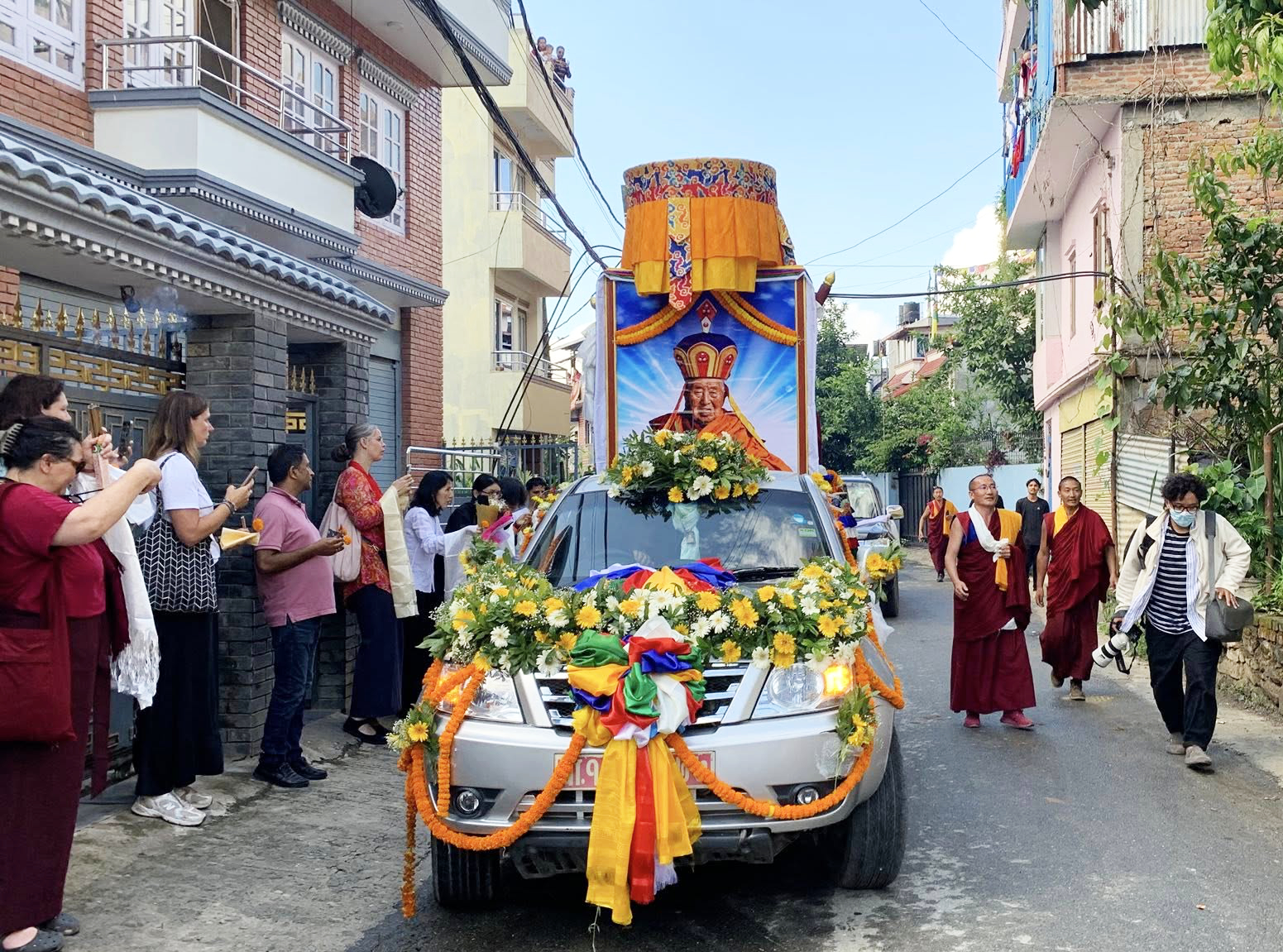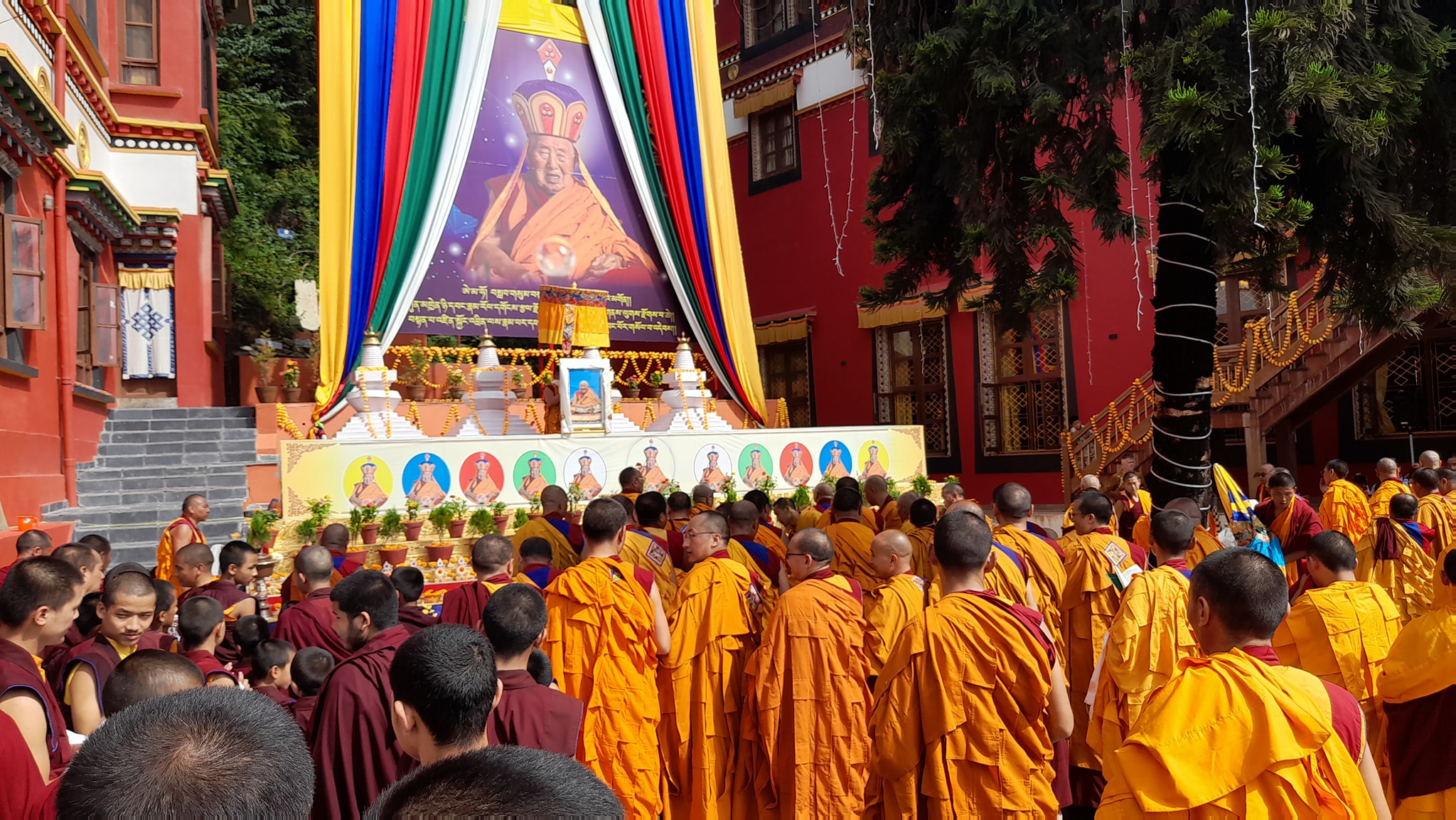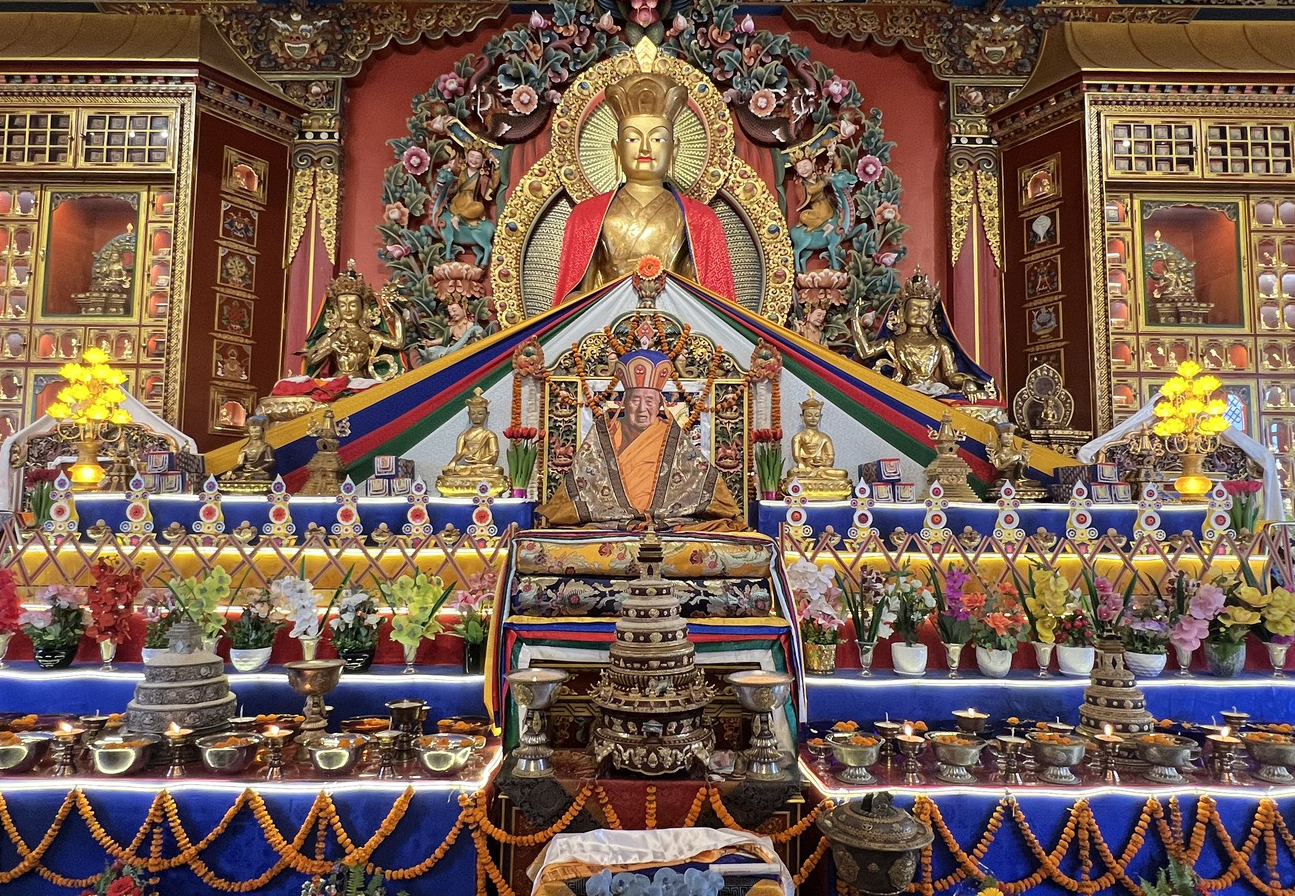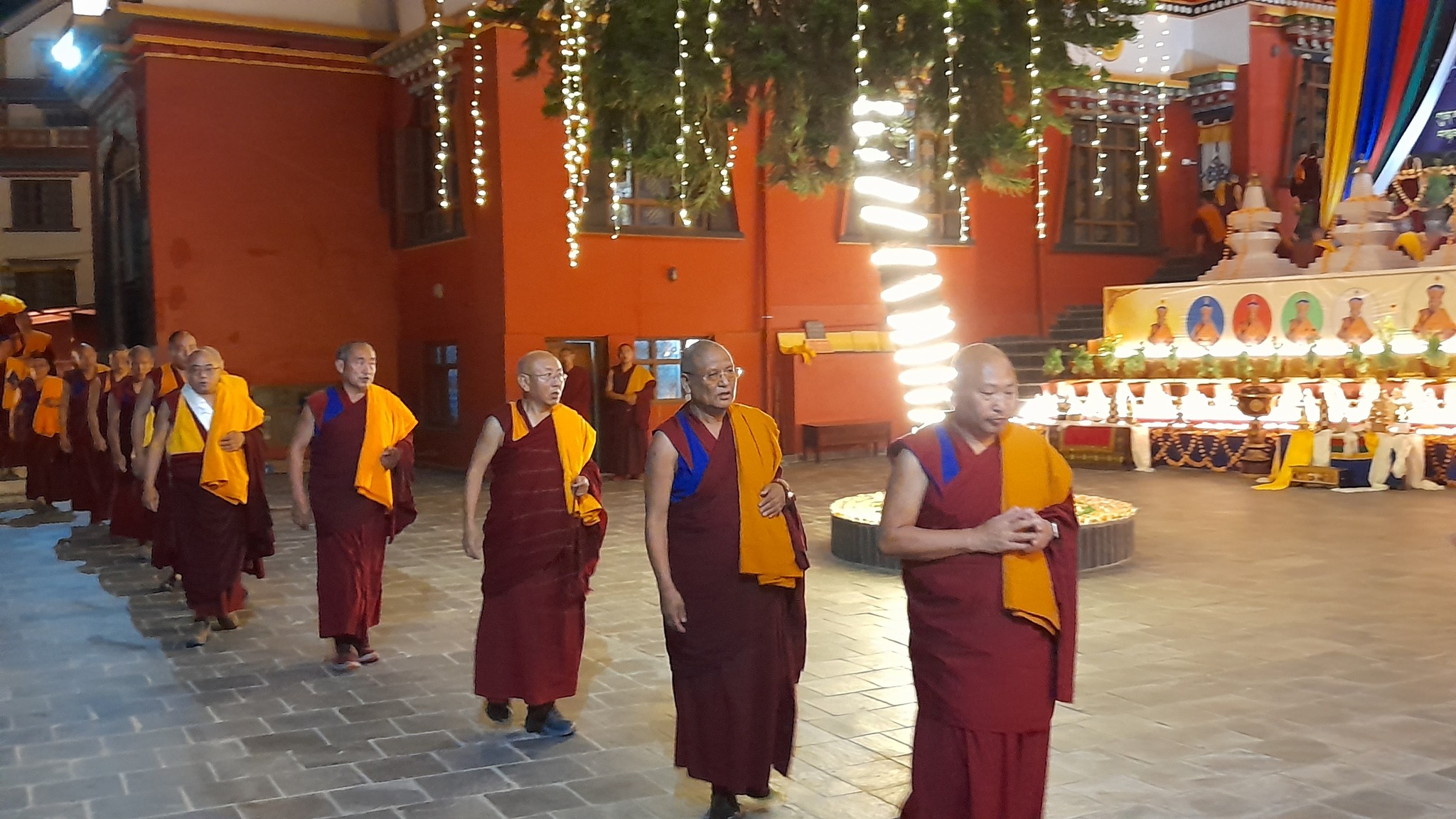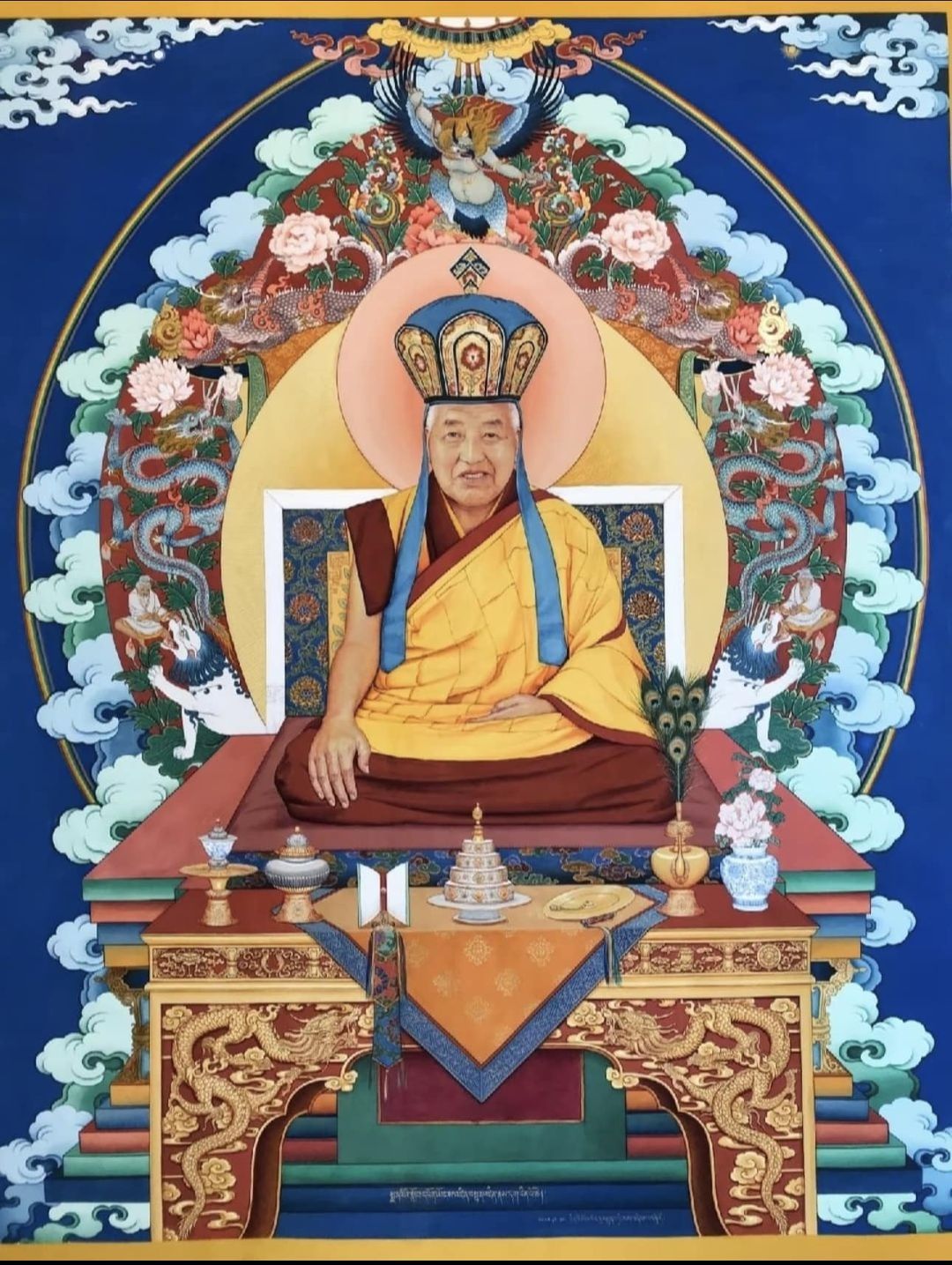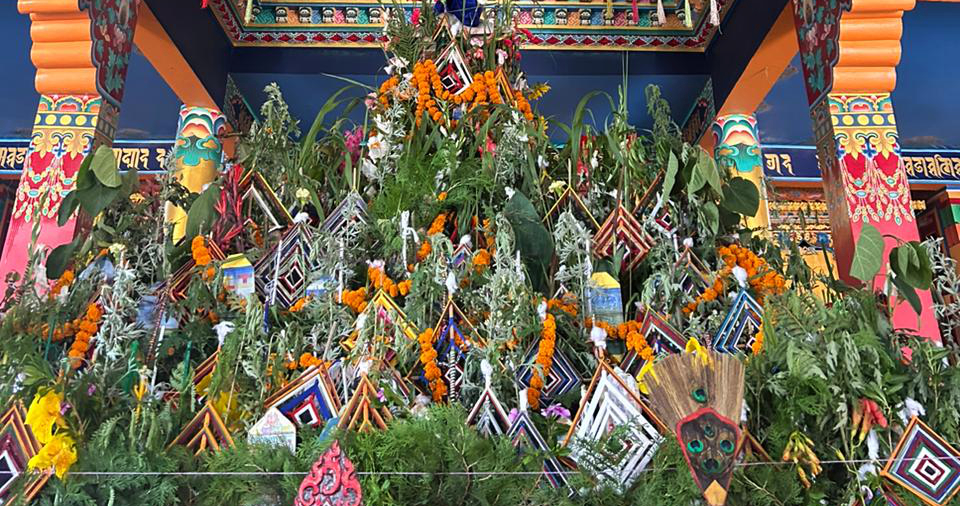
Sherap Jamma’s Five Wisdom Manifestations and Eight Protector Manifestations
“Namo!
From precious light, are these miraculous lamps. This pure and immaculate display, having cleared away the darkness of ignorance, for the sake of clarifying the lamp of self-arising wisdom, I present this to the gathering of Jamma deities of the Lam Bum. Please accept me within your compassionate consideration! OM NÉ TING CHÖ CHÖ LAM LAM YÉ SOHA
This is the essence of the forest atop Mt. Meru. This pure and immaculate display, having a sweet-smelling fragrance, I present to the Jamma deities of the Dul Bum in order to bring forth the lineage of completely pure moral discipline. Please accept me within your compassionate consideration! OM SHIM SHIM DRAM DRAM BÜN NÉ TIM TIM YÉ SOHA
Having conquered the peak of the snow mountain of faults, this pure and immaculate display, having cleared away all karmic potentialities and defilements with the thunderous river of enlightenment, I present this to the Jamma deities of the Dön Bum. Please accept me within your compassionate consideration! OM SHUDDHO KU SHUDDHO SALÉ SANG NGÉ YÉ SOHA
This is food that has been produced from precious grain. This pure and immaculate display, having obtained purified offerings as high as Mount Meru, and because of merit that is stable like a tall mountain, I present this to the Jamma deities of the Gé Gye. Please accept me within your compassionate consideration! OM YA YEN RANG ZHIN YÉ SOHA
These ornaments have grown from heat and moisture. This pure and immaculate display in the form of beautiful, radiant flowers, for the sake of being ornaments for the buddhas, I present this to the Jamma deities who have gone to bliss. Please accept me within your compassionate consideration! OM NÉ RA DÉ DÉ CHÖ CHÖ YÉ SOHA”
Extracted from The Daily Practice of Künsel Jamma Chenmo which was compiled by the 33rd Menri Trizin His Holiness Lungtok Tenpé Nyima Rinpoche
Ceremonial dance during Zhang Zhung Losar. Photo credit: Unknown
The 1st day of the 12th lunar month is celebrated as New Year’s Day according to the custom of the ancient land of Zhang Zhung that included a vast geographical area including Tibet, parts of Nepal, and the area previously known as Persia. In 2025, this date coincides with January 30th on the Western calendar.
This New Year’s Day, or Losar in the Tibetan language, was celebrated jointly by the countries of Zhang Zhung and Tibet as one of their most important festivals. Even after the fall of the Zhang Zhung empire, the country of Tibet continued to celebrate the “first month of Spring ruled by the Gyal star” as the start of the New Year. However, during the period of the Mongol-backed Sakya rule of Tibet, use of the Zhang Zhung based calendrical system was ended and the celebration of the New Year became known as The Royal New Year. This is the 1st lunar day of the 1st lunar month of the Tibetan calendrical system and in 2025 coincides with February 28th.
Still, Zhang Zhung New Year, known as Sonam Losar (Agricultural New Year) by farmers, or Lambing New Year by nomads, continues to be widely celebrated throughout areas of Dolpo, Nepal, India, Ladakh, and Tibet. This is an important celebration and preservation of an ancient culture.
This article is made possible by generous donors who want content like this to continue to be available. Want to join the mandala of Nine Ways supporters? Follow this link https://ravencypresswood.com/donate/
Don’t want to miss a post? Scroll to the bottom and click “Follow this blog.”
The twelve animals of Tibetan astrology according to the Yungdrung Bön texts are the Rat, Elephant, Tiger, Rabbit, Dragon, Horse, Snake, Sheep, Garuda, Monkey, Dog and Pig. Each animal has a specific element associated with its life-force and a position direction determined by that element. Each year one of these twelve animals is associated with one of the five elements of: metal, wood, fire, water, or earth. In other contexts, metal is referred to as space, and wood is referred to as wind or air. It takes sixty years for all twelve animals to be associated with each of the five elements. When this happens, it is considered one complete cycle that repeats again and again.
The Royal Tibetan New Year begins on the first lunar day of the first lunar month. February 28, 2025 begins the Royal Tibetan New Year and the Year of the Wood Snake. Therefore, people born on or after February 28th will be a Wood Snake and will have an emphasis of the specific qualities associated with the Snake.
The 1st lunar day of the 12th lunar month is celebrated as New Year’s Day according to the custom of the ancient land of Zhang Zhung that included a vast geographical area including Tibet, parts of Nepal, and the area previously known as Persia. This is still celebrated in areas throughout the Himalayas as Sonam New Year, Himalayan New Year, or Peasants New Year. In 2025, this date coincides with January 30th. Additionally, the Chinese New Year in 2025 occurs on January 29th. Sometimes the Tibetan New Year and Chinese New Year fall on the same date, and sometimes not. This is due to a difference of how the years are calculated within the 60 year cycle.
People born during the year of theSnake will have an emphasis on the specific qualities associated with Snake. The element which governs the life-force of the Snake is Fire. So, if a Snake person wanted to strengthen their life-force, they would focus upon strengthening the element of Fire internally and externally. The positive direction is South. Facing this direction while meditating, doing healing practices, or just relaxing the mind is beneficial.
In general, a Snake person can see the depth of things and spends a lot of time thinking and processing. They can recognize the underlying motivation of others even if they do not recognize it within themselves and might use this to their advantage at times. A Snake person enjoys luxury and loves to be in elegant and beautiful surroundings. They can have an intolerance for hardship or discomfort. Generally magnetic and charming, they are socially graceful and often surrounded by admirers. However, they can become vengeful when angered. Thus, they benefit from the practicing tolerance and openness.
The Snake’s soul day is Tuesday and its life-force day is Friday. These are the best days for beginning new projects and activities that are meant to increase or develop something. The obstacle day is Wednesday. This day is best for purification and letting things go. It is not a favorable day for beginning new activities.
If you were born during a previous year of the Snake, this year as well as other Snake years are considered a time of vulnerability to obstacles. This same astrological principal applies to the other eleven animal signs during their associated year. Therefore, it is recommended to engage in practices that support vitality, good fortune and spiritual merit such as hanging prayer flags, having a soul and life-force retrieval ritual performed, restoring any deterioration or violation of one’s spiritual commitments or any damaged relationship with one’s spiritual brothers and sisters, and/or performing prayers and rituals to remove obstacles. In general, making an effort to engage more with virtuous activities of body, speech and mind and committing to engage less with non-virtuous activities is supportive. According to the words of Buddha Tönpa Shenrap Miwoché, the practice of developing sincere, unbiased, and unlimited compassion is the greatest of all protections.
A common prayer within the Yungdrung Bön tradition that is used to remove obstacles is the Bar Che Lam Sel, The Spontaneous Wish-fulfillment of Removing Obstacles from the Path. The English, Spanish, and Portuguese translations of this prayer are offered free for personal use on the Nine Ways Publications page. Click on the Publications tab above and scroll down to find the download link for the prayer.
This article is made possible by generous donors who want content like this to continue to be available. Want to join the mandala of Nine Ways supporters? Follow this link https://ravencypresswood.com/donate/
Don’t want to miss a post? Scroll to the bottom and click “Follow this blog.”
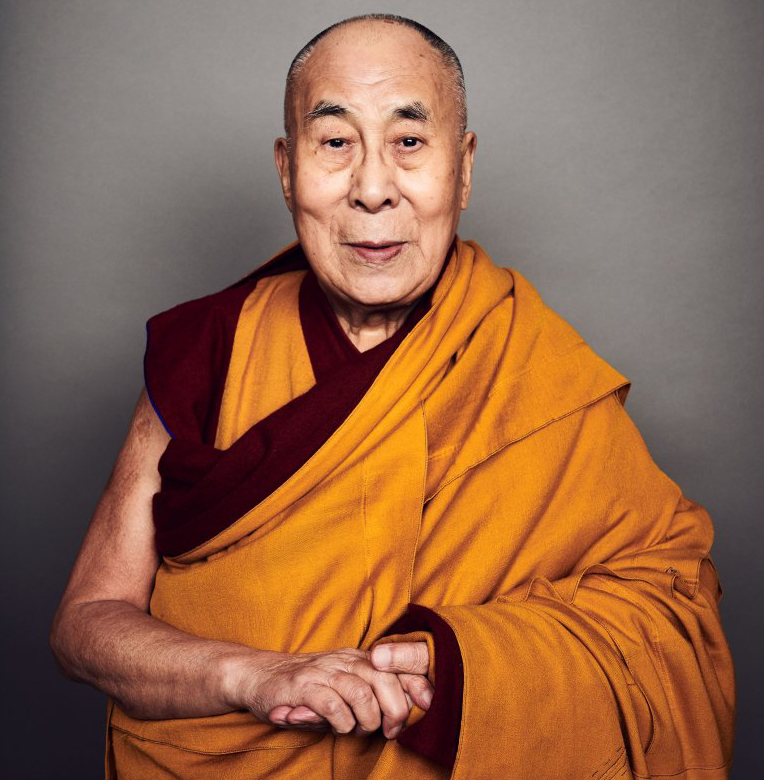
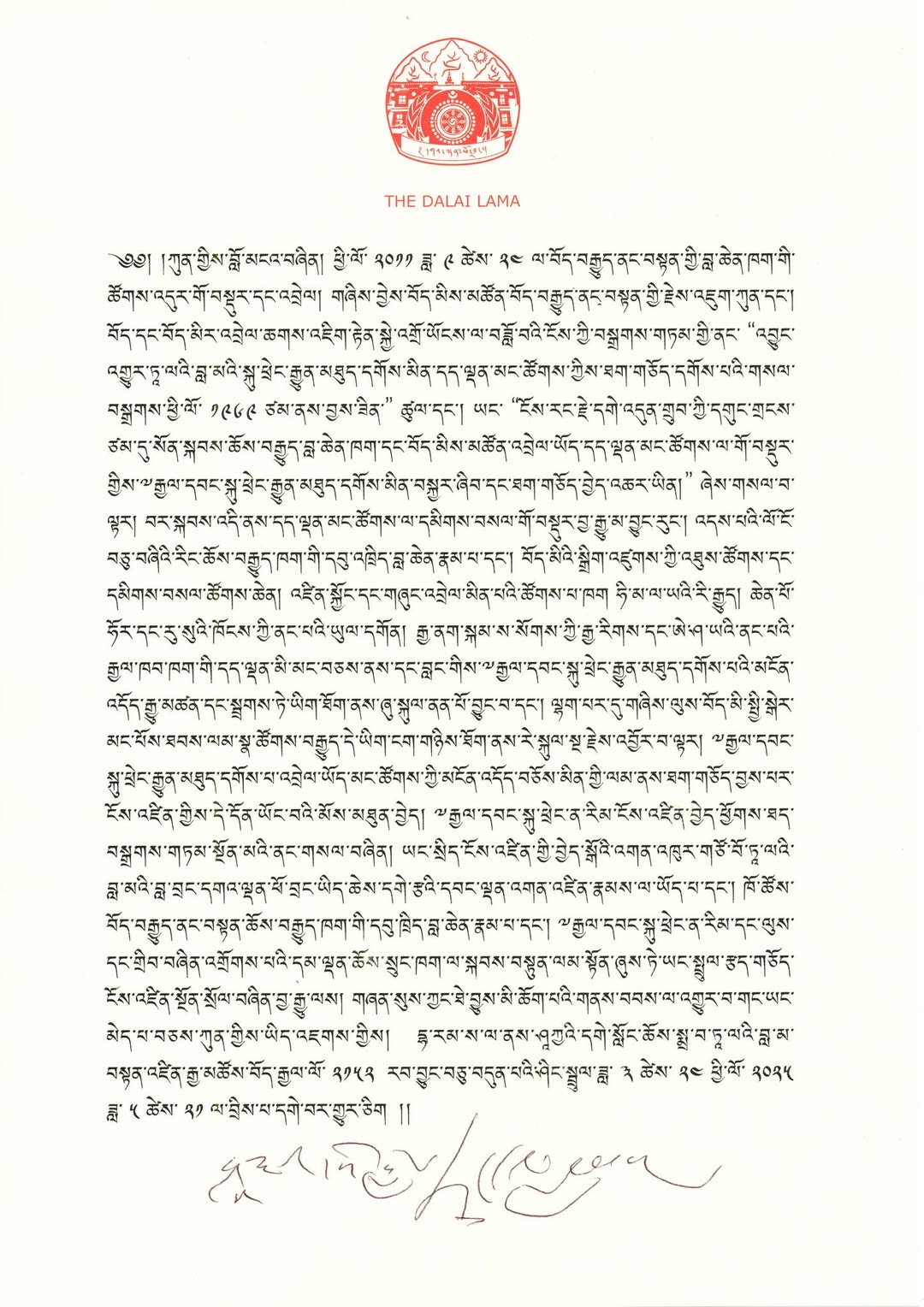
November 11, 2024 is the birth anniversary of the leader of the Yungdrung Bön religious tradition, the Lord of Refuge and 34th Holder of the Golden Throne of Menri Monastery, the supreme Lungtok Dawa Dargyal Rinpoche. He was born in the Domé region of Tibet and was given the birth name of Norbu Sampel. His family were members of the Pel Shenten Gamel Yungdrung Dargyal Ling community. At the age of five he began school and at the age of eight he began to learn the foundational teachings of Yungdrung Bön. At the age of eleven he entered Gamel Monastery and received the name Zöpa Tsöndrü and received genyen vows. Upon reaching the age of seventeen, he received novice monk vows and was given the name Tsultrim Nyima. One year later, he entered the Gamel Dialectic College.
In 1994, the 33rd throne holder of Menri Monastery, the lord of refuge Lungtok Tenpé Nyima Rinpoche returned to Tibet for the first time since his exile. During his visit to Gamel, he bestowed the complete 250 renunciate vows upon the future 34th throne holder and received from him the name, Dawa Dargyal Wangpo.
Although he had completed his geshe degree in 1996, he traveled to India the following year and began his studies in the Menri dialectic college. In 2012 at the age of 39, he received his Menri Geshe degree in the presence of H.H. 33rd Menri Trizin Rinpoche. He fulfilled many roles within Menri Monastery after his graduation such as serving as treasurer and general secretary. On September 14, 2017 the 33rd Menri Trizin Rinpoche showed the truth of impermanence and passed beyond his physical body. Acting as the general secretary, it was the responsibility of Geshe Dawa Dargyal to organize the memorial and cremation rituals.
Following many days of traditional prayers and rituals, on the morning of January 1, 2018 Geshe Dawa Dargyal was selected as the 34th Menri throne holder. His enthronement ceremony took place on February 20, 2018, the 5th lunar day of the first Tibetan which coincided with the birth anniversary of the second buddha and the one who established Menri Monastery, Nyammé Sherab Gyaltsen.
ཁྲི་འཛིན་སོ་བཞི་པ་ཆེན་པོའི་གསོལ་འདེབས།
Supplication of the Great 34th Throne-holder
ཨེ་མ་ཧོ།
How wonderful!
གྱེར་བསྟན་རིན་ཆེན་མཚན་ཡང་ལྡོག་པའི་ཞིང་།།
In a land isolated from even the name of the precious Bön teachings, ལུང་རྟོགས་པད་མའི་དགའ་ཚལ་བཞད་པའི་མགོན།།
The oral transmissions and realizations blossomed in the master’s pleasure garden of lotuses. འཕྲིན་ལས་རྟ་བདུན་སྣང་བ་གཤེགས་པའི་རྗེས།།
Following the enlightened activities of the departed Sun who had appeared, ཆ་རྫོགས་ཟླ་བའི་མགོན་ལ་གསོལ་བ་འདེབས།།
I supplicate to the master who is a completely full Moon in every way!
མཆོག་གསུམ་ཡེ་ཤེས་སྒྲིབ་བྲལ་སྤྱན་ལྡན་གྱིས།།
By having the eye of immaculate wisdom of the three jewels, རྒྱལ་བའི་འཕྲིན་ལས་སྐྱོང་བའི་མགོན་བསྐོས་པ།།
You were appointed the Lord who protects the enlightened activities of the buddhas. གང་འདིའི་གསང་གསུམ་བཞེད་དོན་ལྷུན་གྲུབ་པའི།།
Spontaneously accomplishing any wish of the three secret places, ཐུགས་མཆོག་གཡེལ་མེད་དམ་པར་མཛད་དུ་གསོལ།།
I supplicate to the excellent, undistracted supreme mind!
Supplication prayer written by H.E. Yondzin Tenzin Namdak Rinpoche, translated from the Tibetan by Raven Cypress Wood
Raven Cypress Wood with the supreme 34th Menri Throne holder
All Translations from Tibetan by Raven Cypress Wood
Don’t want to miss a post? Scroll to the bottom and click “Follow this blog.”
This website and its content is kept free by the generous support of donors. Want to join the mandala of Nine Ways supporters? Follow this link https://ravencypresswood.com/donate/ It’s easy through Paypal and Zelle.
Tsa tsa in the form of Sherap Jamma. Photo credit: Raven Cypress Wood
While teaching The Fifth Way of Bön, The Way of the Genyen to a vast assembly of humans, non-human beings, gods, and yungdrung sempa [Sanskrit:bodhisattvas] in the extraordinary land of Olmo Lungring, Buddha Tönpa Shenrap Miwoché explained the foundation for the higher ways within the Yungdrung Bön religious tradition. (See previous articles: Part 1: Right Mind, Right Conduct , and Part 2: The Five Outer Customs, the Five Inner Vows, and the Five Practices In-between ) The Yungdrung sempa Tsanga Tsukpu had requested these teachings for the benefit of all sentient beings. Now, he had been appointed as the lineage holder for The Fifth Way. Thus, he asked the Teacher to kindly instruct the assembly regarding the details of practice, including the offering of tsa tsa. To this, the Teacher responded:
“Listen, Tsangpa Tsukpu. If you enter the door of the Bön of the The Way of the Genyen, and practice diligently, training in the pure virtuous conduct of the shens, you should practice the establishment of tsa tsa. There are three topics for that: the preliminaries which are the creation of the tsa tsa; the main part which is the consecration of the tsa tsa and the ceremony of offering, and the conclusion which is the sealing without reference point and dedicating the roots of virtue.”
Made from a preformed mold, tsa tsa are small replicas of a chorten (Sanskrit: stupa) or enlightened being that are made for various purposes depending upon the mantra and substances places inside as well as the location of their final placement. Within The Way of the Genyen, the primary purpose for creating tsa tsa is for the accumulation of merit and wisdom. There are primarily three kinds of tsa tsa that can be created and offered depending upon the element used. Sa tsa are made with clay, the element of earth. Chu tsa are made with the element of water. Lung tsa are made with the element of wind. Sa tsa require more steps since their creation involves finding, cleansing, purifying, forming, and painting the clay. For each of these three kinds of tsa tsa, the purpose for offering, the recipients of the offering, and dedicating the merit of offering are the same.
Tsa tsa molds. Photo credit: Raven Cypress Wood
There are quite detailed instructions for creating sa tsa including specific mantras and visualizations for searching for and collecting the clay, cleaning the clay, kneading the clay, shaping the clay, blessing the clay, forming the clay, placing the clay into the mold, and removing the clay from the mold. In general, one begins by requesting the blessings of the lama and the five genyen yidam deities, taking refuge in them, and generating the mind of enlightenment. Then, the clay is ritually purified with water and incense. The sa tsa mold is prepared by lightly coating the inside with clean butter or oil. The clay is kneaded and molded into a size and shape slightly larger than the mold and then it is firmly pressed into the mold itself. From the center of the bottom of the sa tsa, a small portion of clay is removed in order to create a cavity. Within this space is placed mantras of enlightened body, speech, mind, quality, and activity; as well as a powdered mixture of the five precious things: gold, silver, turquoise, coral and crystal; blessed herbal medicine known as mendrup, the six excellent substances, and the five grains. A bit of clay is then used to close this space and seal these substances within each of the sa tsa. Once the clay has dried, the sa tsa are painted silver, gold, or any of the color of the elements and then consecrated. Traditionally, the sa tsa are then placed within a chorten or a tsa khang, a sa tsa house, that will protect the sa tsa from the elements. These tsa khangs can be located anywhere but are often found at sacred places and are constructed so as to make circumambulation of the structure possible. In the absence of a tsa khang, sa tsa are also placed in caves at the top of mountains or at pilgrimage places.
Chu tsa are made with water at a natural water source such as a river, lake, or ocean by taking some water and mixing the aforementioned substances into the water. Then, this water is poured into the chu tsa mold, mantra is blown upon the water, and then it is returned to the natural water source. In the Winter, water and the precious substances are placed into the mold and it is left outside in the elements to freeze. At sunrise, the mold is placed right side up until it warms enough to be separated from the frozen water. The crystal-like image can be placed in a natural water source or on the earth to bless the environment as it melts. Lung tsa are made with the wind, especially at the top of mountains or during turbulent weather. The tsa tsa mold is held so that the wind enters the mold, a pinch of the precious substances is added to the mold and then it is turned to release the wind.
Cremation sa tsa can be made to benefit a being that has died by adding a small amount of their cremation ash to the substances placed within the sa tsa. By establishing this connection between the deceased and an enlightened image, it supports circumstances for a positive rebirth. These sa tsa are traditionally painted the color of the element associated with the year of their birth. In the case of the passing of a realized spiritual master, cremation sa tsa can be made which then act as sacred relics and objects of devotion for the disciples.
Protection sa tsa are created to protect from external disturbances or threats such as protecting the family from the spread of contagious diseases. This is one of the protections given by Sigyal Drak Ngak in The Heartdrop of Si Gyal that is All-pervasive and Clears Away Afflictive Emotions and Illness, sometimes referred to as the healing water practice of Yeshe Walmo. The mantra is recited at least 1,000 times and then blown onto white grains such as barley or rice which is then placed within the sa tsa.
“To create a sa tsa of protection for the home, having placed sa tsa containing the mantra on the ground, or put them above or between the doorpost, it will not be possible for contagious illness to enter that home.”
Extract from The Heartdrop of Si Gyal that is All-pervasive and Clears Away Afflictive Emotions and Illness
Once the sa tsa have been properly created, there are further preliminaries of taking refuge, generating the mind of enlightenment, admission fo wrongdoing and purification, inviting the deities, and so on. After that, there is the consecration that purifies the objects of any impurities or defilements and empowers them with the blessings and power of enlightened body, speech, and mind. The ritual of consecration given by the Teacher in The Fifth Way is quite extensive and profound with the primary focus being the principal yidam deities of The Way of the Genyen. If the practitioner has the time, this is a most auspicious method of consecration. There are shorter consecration rituals for times and circumstances when this is not possible. Additionally, the Teacher has taught a concise and sufficient method of consecration using the recitation of the MA TRI mantra.
“As for this Sufficient Recitation that is a Precious Lamp, anyone who is a spiritual advisor who recites the MA TRI mantra upon various clean grains and then performs a consecration of deity statues, holy scriptures, or chortens; these objects will become distinguished as holding vast benefit for migrating beings until cyclic existence becomes empty because of their great blessings and auspiciousness.”
Excerpt from The Thirty-two Benefits of The Sufficient Recitation of The Precious Lamp
The Purpose of Offering
Having been properly consecrated, the sa tsa are then offered. Again, this involves visualization and recitation. Within The Way of the Genyen, the primary reason for creating tsa tsa is to purify the two obscurations and perfect the accumulation of merit and wisdom. Additionally, the great yogi Tonggyung Tuchen taught the following regarding the purpose for creating tsa tsa.
“This is a method for long-term purification of obscurations and immediate reversal of adverse conditions, generation of merit and accumulation of virtues, prolonging life and dispelling evil influences, and for the continuous practice of virtuous deeds and purification of obscurations by the shen.”
Excerpt from The Mandala Rite of Thoroughly Radiating the Compassion of the Five Families with Tsa Tsa composed by Tonggyung Tuchen
Sa tsa within the Menri Monastery tsa khang
The Recipients of the Offering: The Four Guests
When making any kind of offering within the Yungdrung Bön religious tradition, almost always the recipients of the offerings are visualized as the four kinds of guests, even if one particular group is being emphasized for the immediate purpose of the ritual. This collective is referred to as guests because they are ritually invited to the place of practice and are requested to accept the offerings. Presenting the offerings to each of these guests fulfills a specific purpose. This collective group includes all enlightened beings as well as all migrating beings within cyclic existence.
The First Guests
The first guests are the guests of respect. These are the enlightened beings to whom we offer our respect and devotion. They are the highest guests and the ones with whom we take ultimate refuge from cyclic existence. As enlightened beings they are beyond having desires that need to be satisfied through offerings. However, we present offerings to them as a skillful means to generate merit for ourselves, develop our quality of generosity, and to purify our own negative emotion of grasping and attachment. Being delighted with our virtuous practice, their blessings and empowerments are spontaneously activated.
The Second Guests
The second guests are the guests of exalted qualities. These are the protectors and religious guardians. There are two kinds of protectors in this category: the completely enlightened beings who manifest as protectors of sentient beings such as Yeshé Walmo and Sipé Gyalmo, and the worldly protectors such as the wealth protectors and the guardians of the ten directions who are not enlightened but are within the higher realms of cyclic existence. These benevolent, worldly protectors have great power and magical abilities. They have taken vows to act on behalf of the Yungdrung Bön religion and its practitioners. They include the seventy-two palgön, or noble protectors, who are the ruling deities of the planets and stars, the guardians of the ten directions, the highest wealth deities, the eight great lu [Sanskrit: naga], the four great gyalpo, and the drala. By offering to the second guests, they are reminded of their avowed promise to protect the teachings and its practitioners.
The Third Guests
The third guests are the guests of karmic debts. This group consists of the eight classes of gods and spirits who have magical power like that of the second guests but who are wrathful and easily offended or provoked. When they receive offerings, they are happy and lend their support. When they are disturbed or offended, they seek retribution by causing disturbances, destruction, or illness. Because we have caused these beings injury or offense throughout our countless lifetimes, we owe them a karmic debt. This creates a cause for them to seek retribution or revenge. Thus, by offering to the third guests, we repay our debts to them and pacify their desire for revenge.
The Fourth Guests
The fourth guests are the guests of compassion or the guests of charity. This group includes the weaker beings among the six kinds of beings within cyclic existence. The six kinds of beings within cyclic existence are: (1) hell beings, (2) hungry ghosts, (3) animals, (4) humans, (5) demi-gods, and (6) gods. Although the demi-gods and gods are within cyclic existence, because they have great power and abilities, they are not classified among the guests of compassion. The gods and the peaceful demi-gods are classified among the worldly protectors, and the violent demi-gods are classified together with the eight classes of beings. We offer to the first, second and third guests. We give to the fourth guests. This is because these guests have less power than we have and so we give them charity from a mind of compassion. Thus, by giving to the fourth guests we develop our compassion and satisfy their minds that feel deprived of what they need and want.
Finally, having offered the tsa tsa, the activity is sealed with the the contemplation of suchness. This is the realization of the empty nature of the giver, the recipients, and what has been offered. Then, the merit generated by our virtuous activity of creating, consecrating and offering the tsa tsa is dedicated for the benefit of all sentient beings and prayers of aspiration are made. From The Way of the Genyen:
“Then, prayers were made to complete the accumulations and purify obscurations. With palms joined at the heart in the mudra of prayer, the Teacher spoke these verses.
Homage! With the diligent efforts of our bodies, speech, and minds, along with the accumulated merit and virtuous deeds of ourselves and countless sentient beings we have established these supports for enlightened body, speech, mind, we have supported their establishment, and we have rejoiced in their establishment. Through these roots of virtue, may I and all infinite sentient beings abandon the three realms of cyclic existence, and, first on the Ground of Perfect Joy, having purified the obscurations of miserliness, may we perfect the great accumulation of generosity! Second, on the Ground of Stainless Crystal, having purified the obscurations of immorality, may we perfect the great accumulation of discipline! Third, on the Ground of Radiant Light, having purified the obscurations of sensory experiences, may we perfect the great accumulation of patience! Fourth, on the Ground of the Mudra of Transformation, having purified the obscurations of laziness, may we perfect the great accumulation of diligence! Fifth, on the Ground of The Cloud-Banks of the Bön Essence, having purified the obscurations of inconsistency, may we perfect the great accumulation of concentration! Sixth, on the Ground of Blissful Realization, having purified the obscurations of inability, may we perfect the great accumulation of strength! Seventh, on the Ground of Wish-Fulfilling Accomplishments, having purified the obscurations of harmful intentions, may we perfect the great accumulation of compassion! Eighth, on the Ground of the Pure Land of Non-Attachment, having purified the obscurations of expectation and doubt, may we perfect the great accumulation of aspiration prayers! Ninth, on the Ground of the Wheel of Syllables, having purified the obscurations of delusion, may we perfect the great accumulation of skillful means! Tenth, on the Ground of the Unchanging Yungdrung, having purified the obscurations of deluded perception, may we perfect the great accumulation of wisdom! Eleventh, on the Ground of the All-Illuminating, having purified the two obscurations, may we perfect the two accumulations and attain the three enlightened bodies! Twelfth, on the Ground of Nonattachment, having perfected benefit for myself, may I perfect benefit for others! Thirteenth, on the Ground of the Great Collective Mandala, having swiftly accomplished all benefit for myself and others, may I expand throughout the vast expanse and be equal to space!”
Thus, one should make prayers of aspiration for the Thirteen Grounds of the Bön Essence without expectation or doubt.”
Excerpt from The Fifth Way, The Way of the Genyen within the Ziji
Geshe Nyima Künchap and Geshe Tenzin Yeshé prepare nine bowls for the water offering, or chutor. Photo credit: Raven Cypress Wood
Water Torma Offering
Upon completing the instruction for making and offering tsa tsa, the Teacher began instructing the assembly in the water torma offering, or chu tor.
“Great shenrab yungdrung sempa Tsangpa Tsukpü, if noble sons and daughters practice the profound conduct of the genyen, they should exert themselves in this profound offering torma. If you ask what it is, it is taught through three points: the preliminary which is the accumulation of the substances, the main part which is the sequence of the offerings, and the conclusion which is the sealing with non-reference point. First, the preliminary substances are the five pure waters, the five types of grain, the five types of medicine, the five types of incense, the five types of flowers, the five types of jewels, and the five types of pure substances.”
The Fifteen Stages of the Water Offering
The extensive preparation, practice, and conclusion of the water torma offering can be summarized in fifteen stages. The Tibetan word “torma” generally means “something that is scattered, or dispersed.” Thus, there are many different types of torma for different purposes. There are also different types of water offering for different purposes, but the general points are the same. It is best to have as many wonderful offering substances as possible. Some substances are added to the water and many others are offered separately. If it is not possible to obtain many things, then at least offer pure water with saffron and a little milk. The best kind of offering milk comes from a white cow or a white goat.
The Vow or Promise: First is the promise to practice at certain times, whether it is six times a day, once a day, once a week, once a month, once a year, on certain auspicious days, and so on.
The Substances: According to the Teacher, Buddha Tönpa Shenrap, there are five pure waters, five types of grain, five types of medicine, five types of incense, five types of flowers, five types of jewels, and five excellent ingredients. The substances you are using for the offerings have to be pure and clean and the way that you obtain them has to be pure. For example, you should not steal them. There is also the three white substances, the three red substances, and cloth like silk, etc. Whatever clean and precious substance you have, you use in offering. For example, even though the text says that you need five kinds of medicine, there are 360 different kinds of medicine that can be used in the offering. However, it is good to have at least five. Many different kinds of flowers can be offered, except those that grow on plants with thorns. As for the place where you arrange these offerings, a table of gold, silver, or copper is best, but you can also use a table of wood or stone. As for the water itself, according to the teachings in The Way of the Genyen, the five types of water are (1) water that falls as dew or rain, (2) water drawn from the waves of a great ocean, (3) water that is drawn from the main channel of a great river, (4) spring water that comes naturally from the earth, and (5) water that falls from high snow mountains. Inappropriate types of water are water from the confluence of two rivers, stagnant water such as from ponds, ditches, and so forth, water that is home to many insects, and water from the center of a village or city center. Nine bowls are placed in front which are filled with the offering water.
Mudra, Mantra, and Contemplation: One engages with pure actions of body, speech, and mind by using mudra with body, reciting mantra with speech, and concentrating with the mind. These are the three contemplations: the contemplation of suchness, the contemplation of complete appearance, and the contemplation of cause. With the contemplation of suchness, you meditate on the empty nature of reality. With the contemplation of complete appearance, from emptiness you think of all sentient beings and generate the mind of compassion and the four immeasurables and want all of them to be free from suffering. With the contemplation of cause, you meditate on the seed syllables and the deities. In this context, the deities are the yidam deities of The Way of the Genyen.
Blessings: The substances are blessed through the syllables AH, OM, and HUNG with the enlightened body, speech, and mind of the deities.
Purification: Through the radiating light from the syllable AH, the entire universe and all of its inhabitants are purified.
Increasing through Visualization: The quantity of the offering substances is increased through meditative visualization until they fill the three-thousandfold universe. The central bowl is transformed into Mt. Meru and the surrounding eight bowls are transformed into the eight continents.
Inviting: The deities are invited to abide within the objects of support such as images, and statues.
Requesting to Remain: The deities are asked to stay and abide during the ritual.
Stating the Intention of Offering and Requesting Acceptance: The offering is described and the deities are addressed collectively or individually and asked to accept the offerings.
Prostrating: One prostrates with body, speech, and mind to the deities.
Admission of Wrongdoing and Purification: In the presence of the deities, we admit our acts of wrongdoing and nonvirtue and receive complete purification by engaging with the four powers.
Praising and Presenting the Offerings: Presenting offerings to each of the four guests, you imagine that they are delighted and that all sentient beings have whatever they need or want.
Requesting the Deities to Act: Having offered to all of the four guests, we ask the first guests to bestow blessings and to maintain the doctrine. We ask the second guests to protect the teachings and the practitioners. We ask the third guests to not cause harm to any sentient beings. And we ask the fourth guests to enjoy their gifts and to be satisfied without generating attachment.
Dedication and Sealing the Practice with Emptiness: As stated previously, having made the offerings the activity is sealed with the realization of the emptiness of the giver, the receiver, and the offerings; and the merit of the virtuous activity is dedicated for the benefit of all sentient beings.
Prayers of Aspiration: Essentially, we pray that the four guests are all pleased with the offering. The first guests dissolve back into the vast space of the Bön essence, the second guests remain and continue their activity of guarding and protecting, the third guests are pacified and have no intention to cause harm, and the fourth guests are happy and satisfied.
Once the ritual of the water offering torma is complete, the offerings can be taken outside to a clean place. The water can be offered to the earth or to a natural water source.
Geshe Nyima Künchap performs the water torma offering for the lu. Photo credit: Raven Cypress Wood
Once the Teacher had completed giving the full instructions for The Fifth Way, The Way of the Genyen, he spoke directly to the yungdrung sempa Tsangpa Tsukpü.
“This perfect fulfillment of desires and wishes is entrusted to the great yungdrung sempa Tsangpa Tsukpü. Please turn the Bön wheel of cause and effect for all sentient beings in cycling existence.”
“After the Teacher gave this command, the assembly of Yungdrung sempa, the gods above, the lu below, and the humans in between, all openly praised what the Teacher had said. They entered the result ways through the door of the vows of a genyen and once again, they circumambulated the Teacher. The gods paid homage, made offerings, scattered flowers, and made prayers. The universe shook, quaked, and roared. Then, many bright lights shone in the sky, many beautiful sounds were heard throughout space, and many beautiful flowers grew on the ground. Among all sentient beings with correct views, great joy and delight arose.”
Raven Cypress Wood receiving her genyen zen from Venerable Menri Pönlop Yangtön Thrinley Nyima Rinpoche on the 11th lunar day of the 9th lunar month in 2014.
“May these roots of virtue vastly increase! May the causes of merit increase without interruption! May I, myself, practice these roots of virtue! May I encourage others to practice these roots of virtue! And may I rejoice in those who practice these roots of virtue! From that, may sentient beings enter the stream of precious liberation and attain unsurpassed and perfect awakening!”
All Translations from Tibetan by Raven Cypress Wood
Don’t want to miss a post? Scroll to the bottom and click “Follow this blog.”
This website and its content is kept free by the generous support of donors. Want to join the mandala of Nine Ways supporters? Follow this link https://ravencypresswood.com/donate/ It’s easy through Paypal and Zelle.