The Field of Accumulation: The Ocean of Khandro

Tsok zhing according to Menri

Tsok zhing according to MenriThe Yungdrung Bon Merit Field of the Menri Tradition

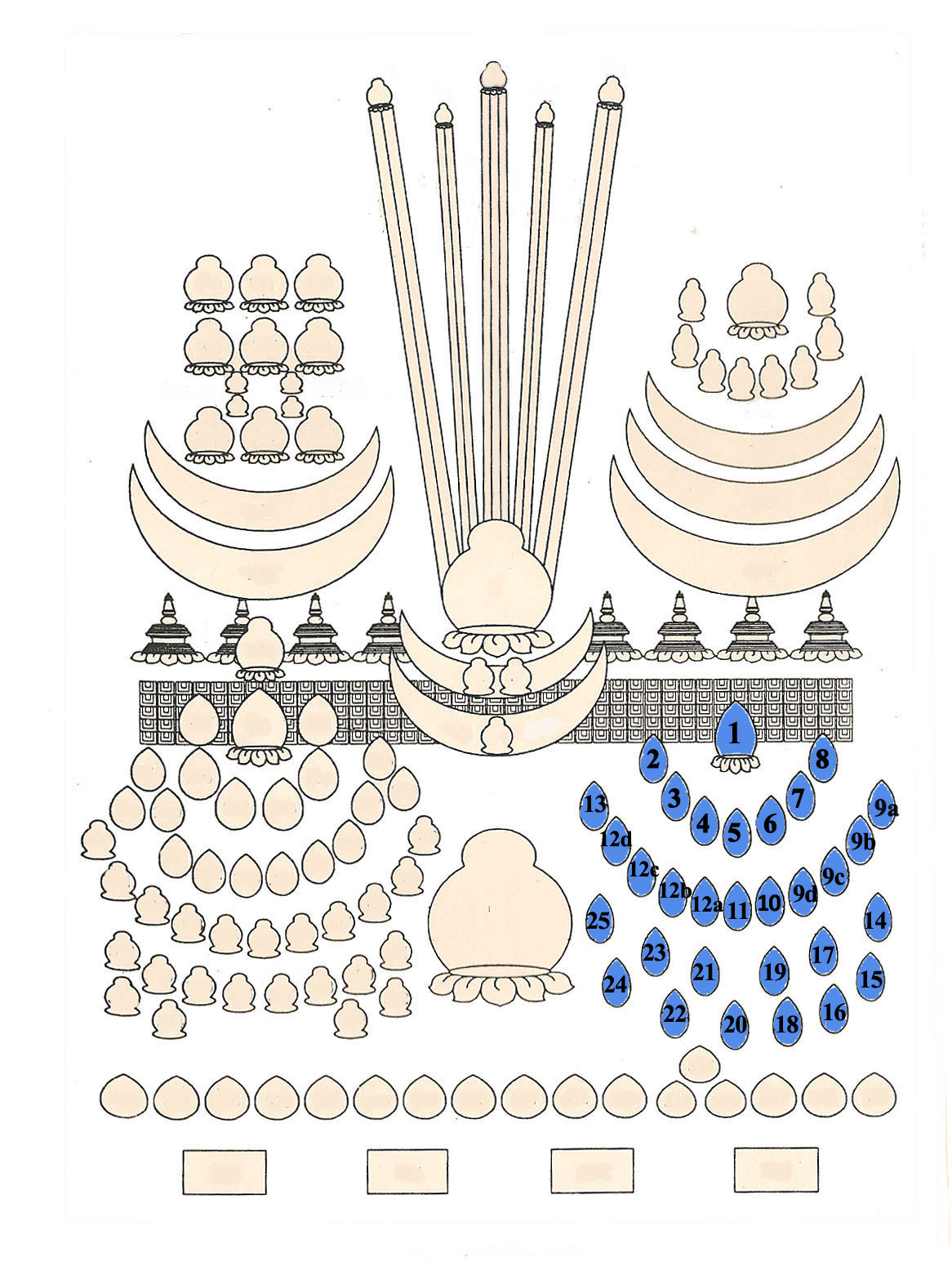
In the Yungdrung Bön tradition, the place where the deities and objects of veneration are gathered is called the “Tsok Zhing”, the “Field of Accumulation”.  It is also sometimes translated as the “Field of Merit” or the “Merit Field” because what is being accumulated by paying homage and making offerings to this place is merit, or virtue.  This is the Merit Field according to the Menri Tradition from a drawing done by the great master and scholar HE Yongdzin Tenzin Namdak Rinpoche.
outline-guide-for-tsok-zhing-ocean-of-khandros

The Ocean of Khandro are depicted as figures #1-25.   Khandro (Sanskrit: dakini) literally translates as ‘sky-goer’ or ‘one who moves in the sky’.  Khandro are a class of female beings who protect and serve the religious tradition as well as bestow spiritual attainments.   Khandro can be classified in many ways.  The classification below is according to the Tsok Zhing text.  Each of the khandro are adorned with the six bone ornaments.

#1-8 Wisdom Khandro

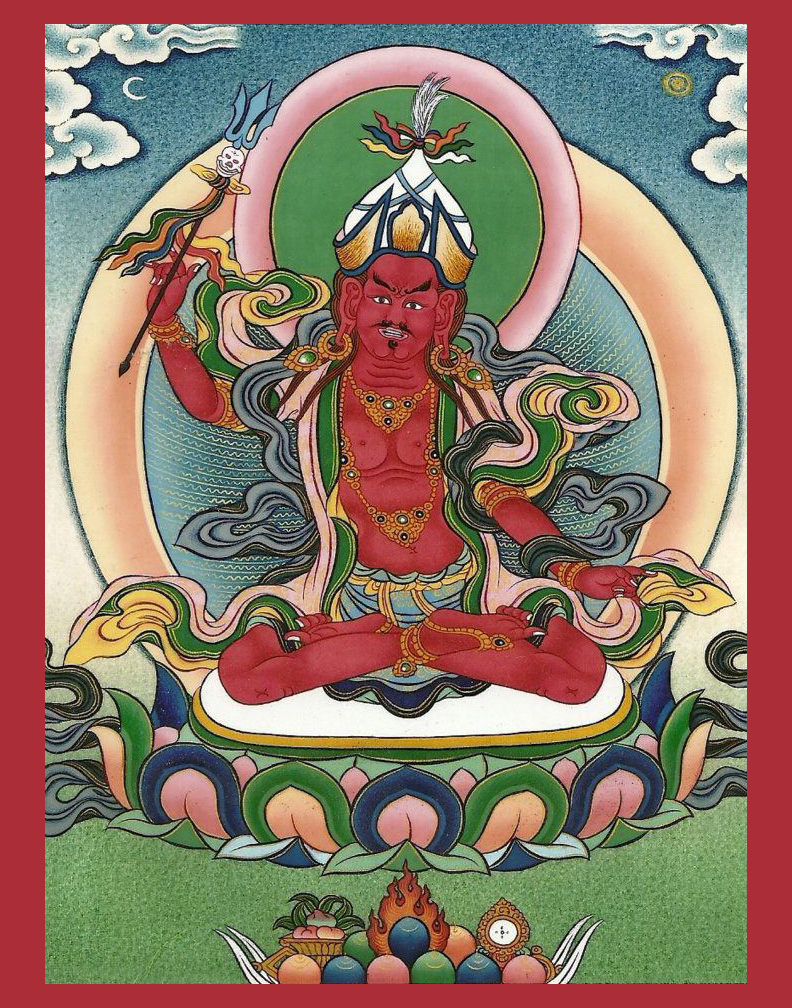
1. Kalpa Zangmo,  she has one face and four arms
2. Miyo Tenma
3. Dekma Kündrol
4. Kyema Ötso, Khandro of the Mother Tantra
5. Namkha Déden
6. Dakpa Kündü
7. Salwa Dröbéb
8. Tukjé Kündrol, Khandro of Tummo and Tsa Lung

Khandro Kalpo Zangmo

#9-13 Action Khandro

9a. Ürgyen Khandro, Khandro from Ürgyen
9b. Ürgyen Khandro, Khandro from Ürgyen
9c. Ürgyen Khandro, Khandro from Ürgyen
9d. Ürgyen Khandro, Khandro from Ürgyen
10. Choza Bönmo, Khandro of the female lineage of the Yétri Tasel Dzogchen
11. Öden Barma, Consort of Yidam Drenpa Namkha
12a. Gyagar Khandro, Khandro from India
12b. Gyagar Khandro, Khandro from India
12c. Gyagar Khandro, Khandro from India
12d. Gyagar Khandro, Khandro from India
13. Drushé Khandro, Khandro from Drusha

#14-25 Animal-headed Khandro

14. Durjé Ü, Heron-headed Khandro
15. Pharwé Ü, Coyote-headed Khandro
16. Chusin Ü, Crocodile-headed Khandro
17. Duktrul Ü, Poisonous Snake-headed Khandro
18. Chè Chang Ü, Jackal-headed Khandro
19. Sengé Ü, Lion-headed Khandro
20. Khyungi Ü, Garuda-headed Khandro
21. Takgi Ü, Tiger-headed Khandro
22. Zikgi Ü, Leopard-headed Khandro
23. Domgi Ü, Bear-headed Khandro
24. Drékyi Ü, Yellow Bear-headed Khandro
25. Khaté Ü, Crow-headed Khandro

Raven Cypress Wood ©2015
 

Precious Masters

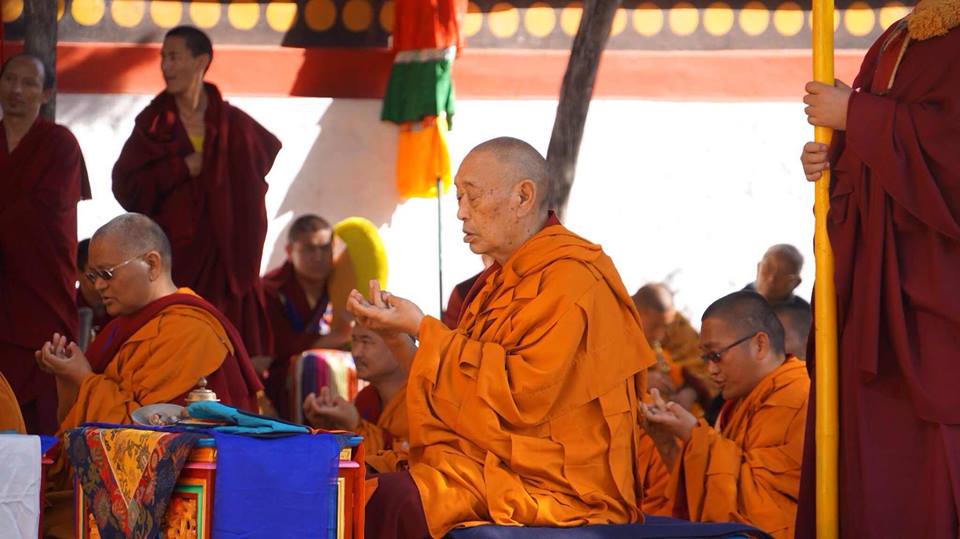
HH 33rd Menri Trizen Rinpoche & Menri Lopon Rinpoche offering the mandala. Photo credit: Unknown

Link to the Ancient Past

Heir to the Shen Lineage and direct descendant of Lord Tonpa Shenrap Miwoche, Shen Tsukpu Namdrol Rinpoche

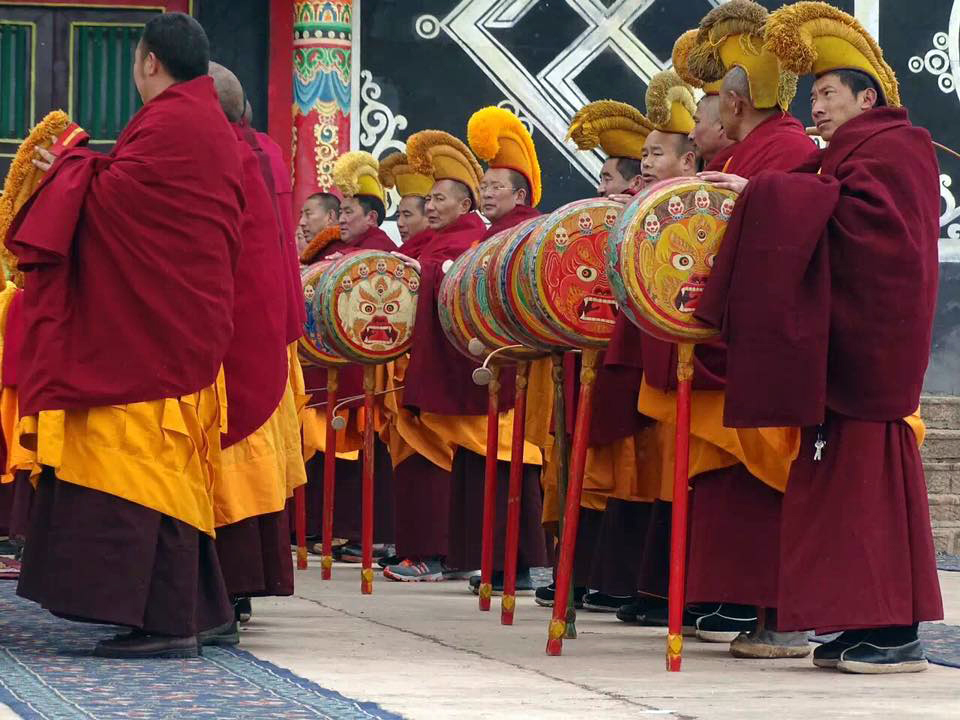
Drums of Nangzhig Monastery

Drummers during a celebration at Nangzhig Yungdrung Bon Monastery

The Second Spread of the Yungdrung Bön in Tibet

Yumbum Lhakhang in the Yarlung Valley, ancient palace of the early Tibetan kings

The eighth king of Tibet, Drigum Tsenpo,  fearing the power and influence of the Bön Shen priests, banished them along with the Yungdrung Bön teachings from the kingdom.  This was first persecution of Yungdrung Bön which resulted in the hiding of Yungdrung Bön texts as terma, or hidden treasure.  See previous post, https://ravencypresswood.com/2016/10/01/the-first-spread-of-the-yungdrung-bon-teachings-within-the-human-realm/.  After the king had banished the priests, there remained no one powerful enough for him to fight.  Therefore, he sent a message to the minor ruler of the Tibetan region of Lho Drak, Lo Ngam Ta Dzi, and commanded him to a challenge with his army.  Although Lo Ngam was not inclined to fight, the king insisted and Lo Ngam had no choice but to agree.  Soon thereafter, Lo Ngam had a dream in which he was given specific instructions on how to defeat King Drigum Tsenpo.  Having followed the advice given in his dream, Lo Ngam was victorious and the king was killed.  He put King Drigum Tsenpo’s corpse into a copper coffin and threw it into the Tsangpo River.  He then banished the king’s sons, made the queen a shepherdess, and ruled the land of Tibet for thirteen years.

The greatly accomplished yogi, Tong Gyung Tuchen

The queen had a son who, after discovering his royal lineage from a minister loyal to the queen, killed Lo Ngam Ta Dzi.   Receiving news of his death, Drigum Tsenpo’s son Pude Gung Gyal, returned to Tibet from exile.  Recognizing that the suppression of Bön had caused the death of his father and the downfall of both his family and the entire realm of Tibet, Pude Gung Gyal made the decision to reinstate Yungdrung Bön along with its priests, the Bön Shen.  He sent an urgent message to the accomplished Yungdrung Bön yogi, Tong Gyung Tüchen, who was practicing in isolation on an island in the Lake of Nam.  He pleaded with the yogi to help him revive Yungdrung Bön.  Tong Gyung Tuchen agreed and instructed Pude Gung Gyal to invite one hundred knowledge holders to Tibet in order to begin its revitalization.  These one hundred Bön Shen performed a rite of purification for the murdered king, Drigum Tsenpo, offered blessings to all of those present, and offered their support as Pude Gung Gyal ascended the throne and assumed the title of King of Tibet.  He became known as Tolek Tsenpo, King of the Highest Good.  Thus, the teachings and practice of Yungdrung Bön flourished and spread again in the land of Tibet.

All Rights Reserved ©Raven Cypress Wood 2016

*All dates from Gal Che’i bsTan rTsis Phyogs bsDus, A Summary of Essential Chronology, published by Triten Norbutse Monastery.