The Great Retreat of the Medicine with Swirling Rays of Light

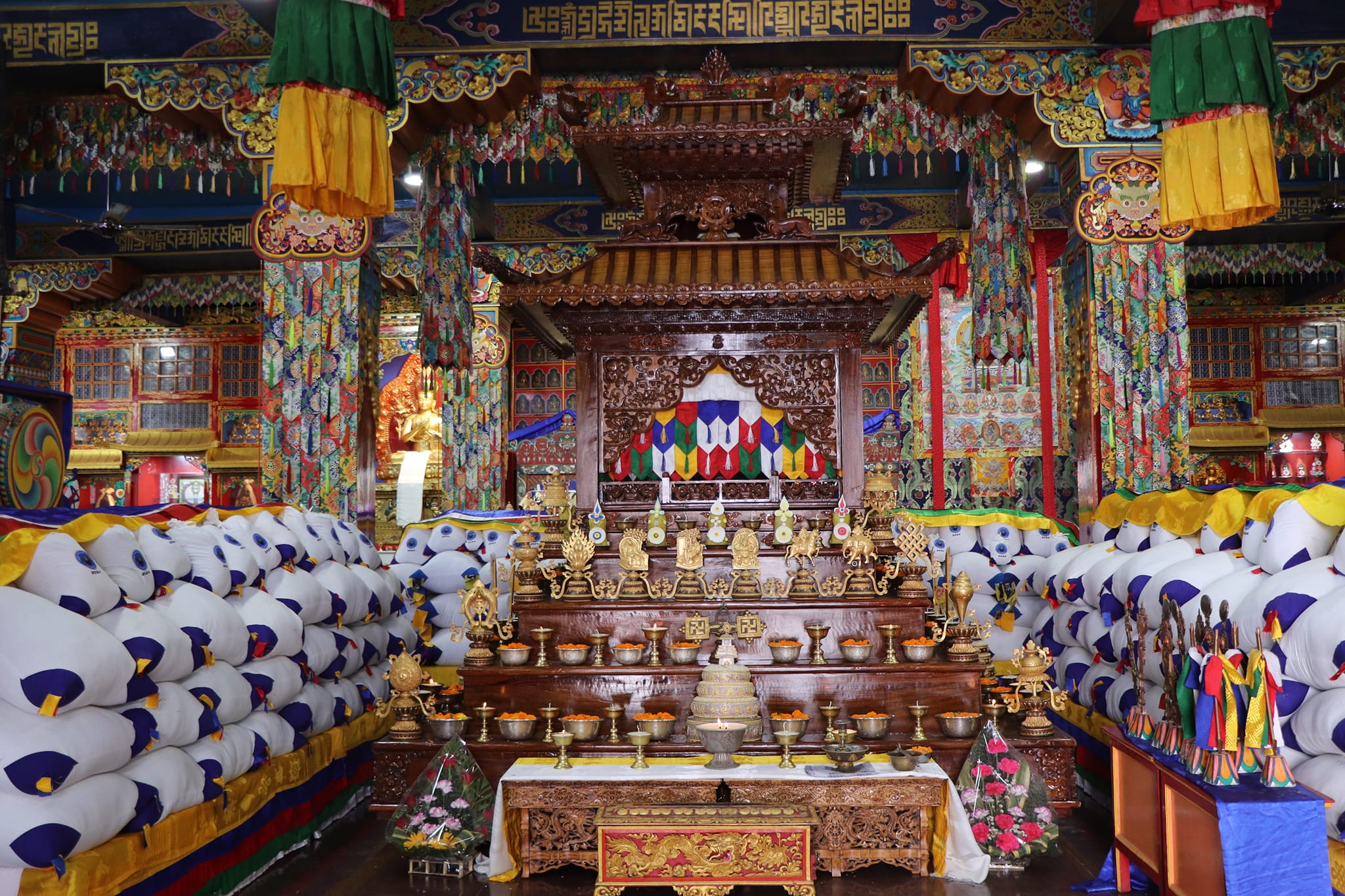
The altar for the deity surrounded by offerings and the powdered medicine

During the 3rd lunar month on the 3rd-18th lunar days which correspond with April 11th-26th on the Western calendar, Menri Monastery in Dolanji, India will perform the Great Retreat of Medicine with Swirling Rays of Light, also known as The Great Mendrup Retreat. This is one of the largest rituals within the Yungdrung Bön Religious tradition and has an unbroken lineage from the enlightened Lord Tönpa Shenrap. Once an individual is enthroned as the abbot of Menri Monastery, they are required to do three things: (1) establish a reliquary chorten for the previous abbot, and (2) bestow empowerments to disciples, and (3) perform a mendrup retreat at least once during their lifetime. His Holiness the 33rd Menri Trizin Lungtok Tenpé Nyima Rinpoche performed the great mendrup ritual three times: once before the establishment of Pal Shenten Menri Ling in India, once in 1988, and once again in 2009.

A bag containing the mendrup ingredients

Its takes years of preparation in order to properly gather the tens of thousands of herbs, minerals, precious substances, and so on. For example, similar to acquiring ingredients for traditional Tibetan medicine, plants that are used for their warming qualities must be gathered and dried in the sun, and plants that are used for their cooling abilities much be gathered and dried in the shade in cooler areas. All of the primary and secondary ingredients are outlined within the mendrup text. There are many many traditions and texts. In this case, the text being followed is Mendrup Özer Kyilwa, Accomplishment of Medicine with Swirling Rays of Light. This ritual was taught by Buddha Tönpa Shenrap Miwoché and first performed by Buddha Chimé Tsukphu. It was passed down through the generations of masters to the great lama Drenpa Namkha in the 7th centure C.E. At that time, the Yungdrung Bön religious tradition was undergoing severe persecution from the Buddhist king and this mendrup text along with many other texts were hidden in order to protect them from destruction. In that way, many of the Bön texts and religious items became hidden treasures.

After the time of strong persecution had passed, it is said that the text was brought out of hiding along with vessels of mendrup in 1108 C.E. by Rikdzin Chenpo Gyermi Nyi Ö. This was passed to the the 4th abbot of Yeru Wensaka, Nyima Gyaltsen Rinpoche. From that time until the destruction by flood of Yeru Wesanka, the mendrup retreat was performed once in the lifetime of eighteen abbots of Yeru Wensaka. Having received the transmissions and empowerments for the mendrup cycle, the founder and 1st abbot of Menri Monastery recovered the texts and the mendrup and used them to begin the tradition at Tashi Menri Monastery in Tibet. One of the most important mendrup ingredients is a small amount of the blessed medicine that was created in previous mendrup retreats and safeguarded to be used as an ingredient in subsequent mendrup rituals. In that way, every mendrup contains some amount of mendrup from ancient times.

Mendrup from various rituals

The Tibetan term mendrup [Wylie: sman sgrub] is a compound of two words: “men” generally meaning medicine, and “drup” meaning to accomplish or to achieve. Thus, the purpose of the ritual is create a medicine which is a consecrated and empowered panacea for both inner and outer ills and disturbances rather than a medicine for a specific illness. The final product is a consecrated and blessed, finely powdered substance that is distributed for free to the ordained, to laypersons, and to the general public. This blessed medicine is ingested orally, worn as a protective amulet, used as an offering, and included as an ingredient in many other rituals within the Yungdrung Bön religious tradition.

Mendrup

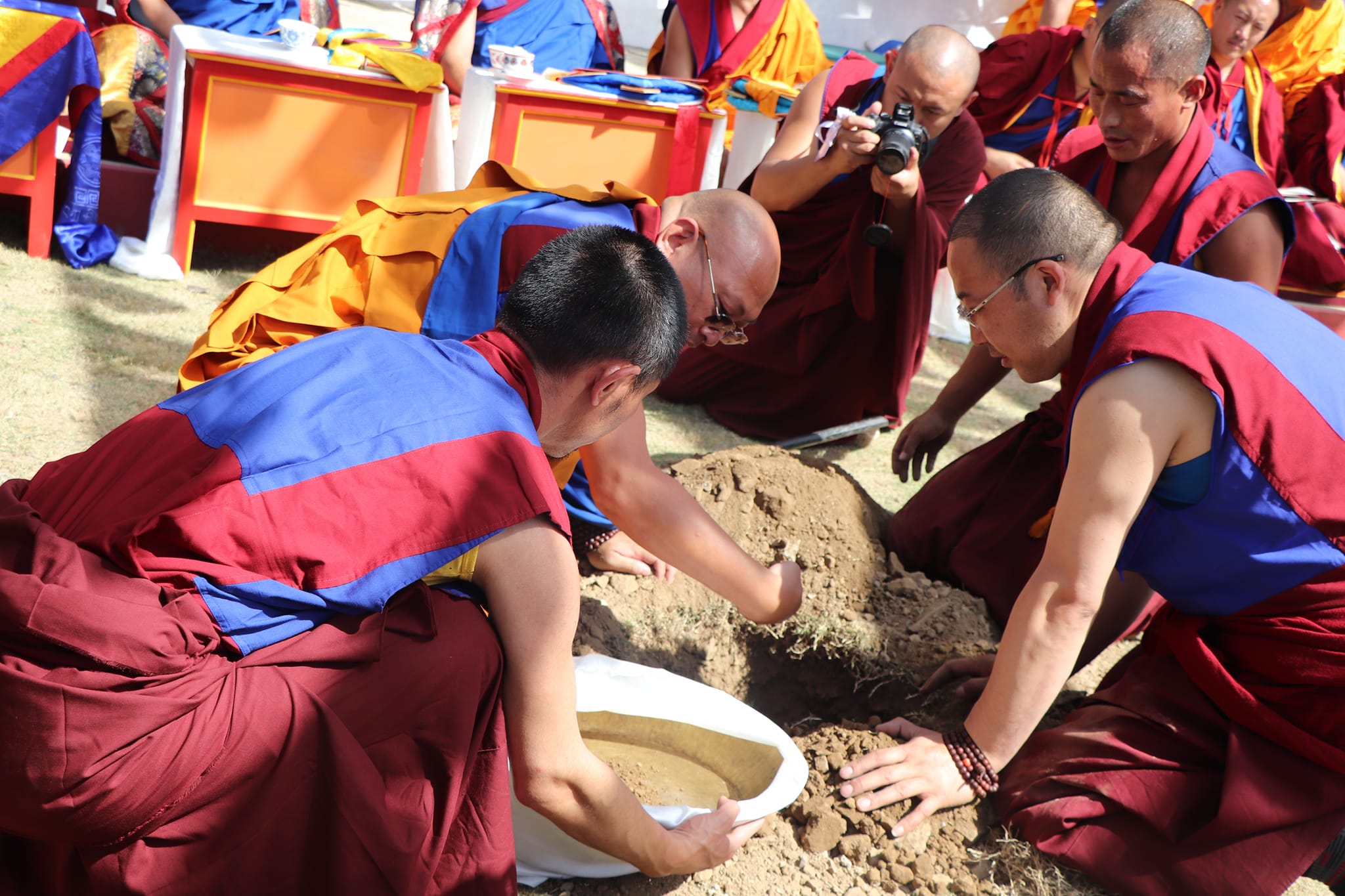
The retreat generally begins with the recounting of the origin, history, and purpose of the great mendrup retreat. Ritually, the retreat begins with a ransom ceremony in order to pacify and expel obstacles. Masked dances of the protectors are performed and a boundary is secured for the entire retreat space and all participants in order to keep out obstacles and to keep in the blessings and power generated during the retreat. After that, the ritual of Requesting Permission to Gather Soil addresses the earth spirits in order to request permission to gather soil in order to construct the necessary mandala palace for the deities.

Once the mandala is constructed and a large variety of wonderful offerings are placed, the enlightened deities and their retinue are invited to come and reside within the mandala palace. After this, no one other than those involved in the ritual are allowed to come near the mandala. Thus begins the period of the foundational practices of taking refuge, generating a mind of enlightenment, admitting wrongdoing and receiving purification, and so on. Once this foundation is complete, the main ritual of the mendrup ceremony begins by requesting and receiving consecration and blessings for the substances. During this time, the mantra of blessing nectar is continuously recited by both the ordained and the lay practitioners.

Mantra of Blessing Nectar for the Great Mendrup Ceremony: SO OM BA WA DÉ NA RA SA YA NA YU DRANG DUTSI SO THA

Masked dance of the enlightened protectors

The powdered mendrup is ingested daily, or as desired, either in water or by itself. The amount is usually a generous pinch, or about 1/4 teaspoon. It can also be placed in a locket and worn on the body. The traditional amulets worn by Yungdrung Bön followers contain mendrup as one of the required ingredients. It is also an ingredient in chortens, sa tsa, torma, and so on. When treated with faith and respect, the benefits of either ingesting or wearing mendrup are profound and immeasurable. When it is ingested or worn, the three poisons, the three kinds of illness [imbalances of wind, bile, or phlegm], and the three kinds of external disturbances [from the spirits above, the water spirits below, and the earth spirits in-between] are unable to become established and cause harm. When it is offered to the meditational deities or enlightened protectors, it purifies our sacred commitments with them and gives the ability for us to receive their blessings. In this life, it brings success to whatever goal or intention is wanted. It brings longevity, sharpens the intellect, brings wisdom, cures illness, and increases the life-force and prosperity. It is like a wish-fulfilling gem.

“Deities of the mandala will hold you within their compassion.

The poisons, illness, and malevolent forces will not be able to be established.

In this life, whatever is wanted will be accomplished.

And one will progress along the ground of the Great Seal.”

From the Result and Good Qualities of Accomplishing the Blazing Mountain of Blessed Nectar
His Holiness the 34th Menri Trizin ritually breaks the ground in order to obtain soil for the mandala of the deities

If you would like to make a donation to support this very auspicious occasion, you can do so through H.E. Menri Pönlop’s United States retreat center by following this link: http://kwling.org/ Follow the link and then click the donate button in the upper right of the page. You can make a notation that the donation is for the mendrup ceremony.

Schedule of Events at Menri Monastery

April 11th: Welcome and speeches, the ransom effigies are sent out in order to dispel obstacles

April 12th: The procession and ritual for Requesting Permission to Gather Soil, and preliminaries for the Nam Dak and Long Gyé empowerments

April 14th: His Holiness the 34th Menri Trizin will confer the actual Nam Dak and Long Gyé ritual cycle empowerments.

April 16th: His Holiness the 34th Menri Trizin will bestow the oral transmission of the peaceful, wrathful, and medicine texts to everyone in attendance. His Eminence Menri Pönlop Rinpoche will give a talk explaining the history and benefit of the great mendrup ceremony.

April 17th: There will be a showing of the sacred objects of Rayna Menling Nunnery and a tour of their facilities.

April 18th & 19th: There will be a two-day seminar of Zhangzhung and Tibetan studies.

April 20th: Teaching on the Four Wheels of Bön and teaching on the practice of tantra

April 21st: His Holiness the 34th Menri Trizin and His Eminence Menri Pönlop Rinpoche will lead the procession to visit the medical laboratory where the medicine containers will be opened and the ingredients will be mixed, purified, and ground into a fine powder.

April 22nd: There will be an exhibition of the ritual tools, costumes, and sacred items required for the practice of the Nine Ways of Bön.

April 25th: There will be a guided tour of the Mutri Tsépo Tibet-Zhangzhung Research Center.

April 26th: His Holiness the 34th Menri Trizin will bestow the empowerments of the Künzang A Sel [Clear AH of Künzang], Chi Pung Zhi Tro [Cycle of the Peaceful and Wrathful Deities], Ö Zer Khyilwa [Swirling Rays of Light], and the Trowo Tshé Drup [Trowo’s Accomplishment of Longevity].

April 27th: The monks, nuns, and lay disciples will form a procession carrying the medicines which will later be distributed to everyone present. The ceremony will conclude with an address by His Holiness the 34th Menri Trizin and His Eminence Pönlop Rinpoche.
Gathering soil for the mandala of the deities

Raven Cypress Wood ©All Rights Reserved. No content, in part or in whole, is allowed to be used without direct permission from the author.

Don’t want to miss a post? Scroll to the bottom and click “Follow this blog.”

This website has always been supported by the donations of the worldwide Yungdrung Bön community. Want to join the mandala of Nine Ways supporters? Follow this link https://ravencypresswood.com/donate/ It’s easy through Paypal and Zelle.

Happy Tibetan Year of the Wood Dragon!

2024: Year of the Male Wood Dragon

The Tibetan lunar new year of 2024 corresponds with February 10th on the Western calendar and is the start of the Year of the Male Wood Dragon. The Year of the Male Wood Dragon continues until February 27, 2025.

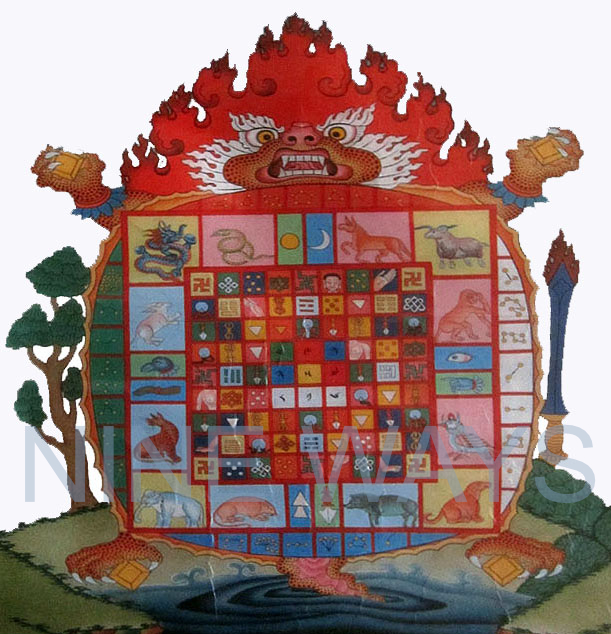
According to Tibetan astrology, there is a twelve year cycle with each year being characterized by a specific animal and associated with one of the five elements. A complete cycle of the twelve animals in association with each of the five elements takes sixty years. These twelve animals according to Yungdrung Bön astrological texts are the Rat, Elephant, Tiger, Rabbit, Dragon, Horse, Snake, Sheep, Garuda, Monkey, Dog, and Pig.  Each animal is associated with a specific element for its life-force as well as a specific direction which is determined by the life-force element.  Not only are these twelve animals associated with a particular year, they are also associated with particular months, days and hours.

For those born during a previous year of the Dragon, this year as well as all other Dragon years are considered a time when there is a great possibility of obstacles, illness, financial troubles, accidents, or harm to the reputation through scandal or gossip. This same astrological principal applies for all of the other eleven animal signs during their associated years. Therefore, it is recommended to be proactive in order to dispel or avert the obstacles. It is advised that Dragon people engage in practices that support vitality, good fortune, and spiritual merit such as hanging prayer flags, saving or protecting the life of other living beings, making sa tsa, repairing any deterioration or violation of one’s spiritual commitments or any damaged relationship with one’s spiritual brothers and sisters, and/or performing prayers and rituals to remove obstacles. Reciting the mantras of Duk Kar, Jamma, or the Medicine Buddha as well as invoking and making offerings to the protectors is of great benefit in providing protection and blessing.

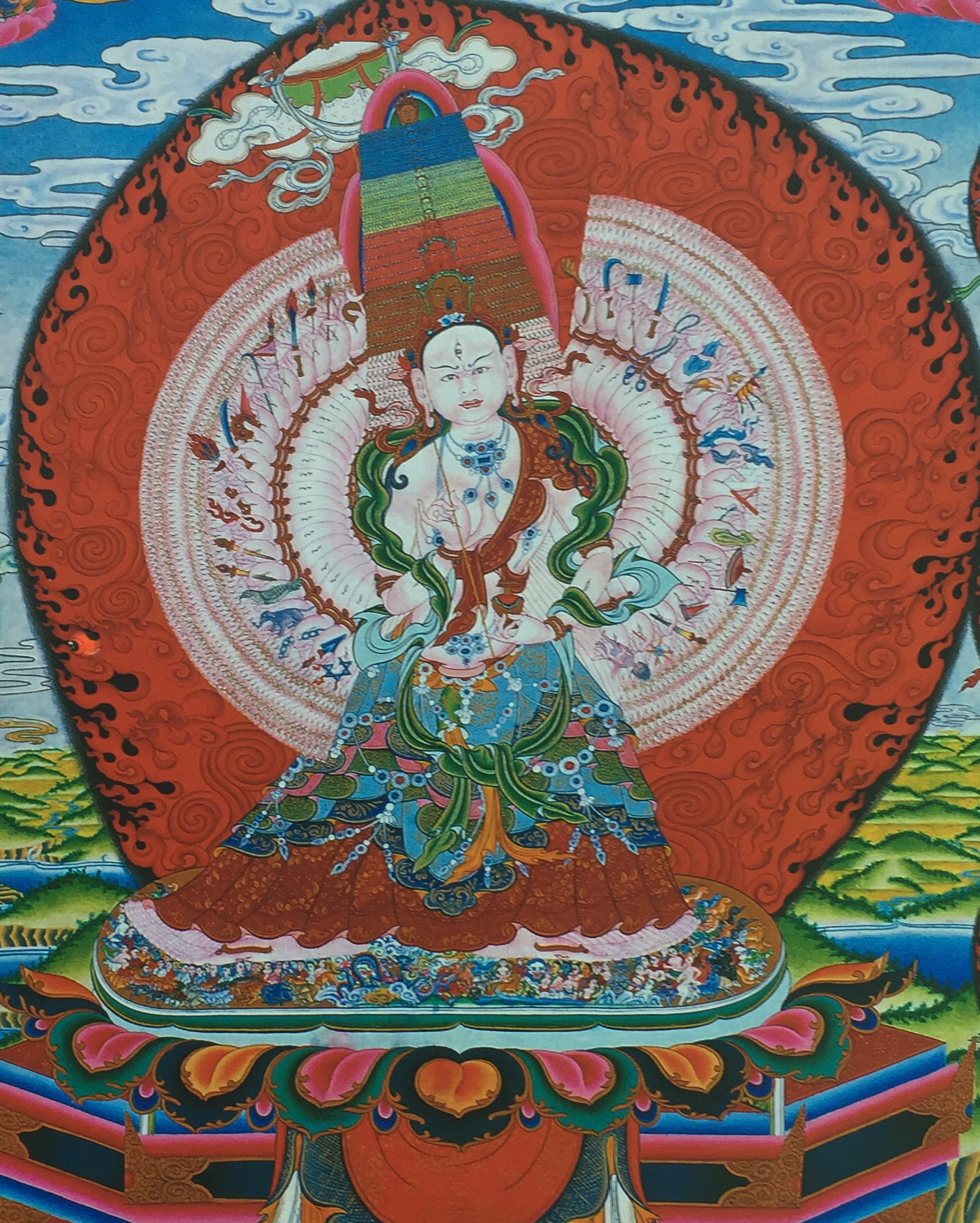
Duk Kar, the White Umbrella Goddess of the Yungdrung Bön

Those people born during a Dog year also have the possibility of a significant obstacle during the Wood Dragon year. Legal difficulties, problems with business competitors, or other adversarial relationships could arise. Therefore, they are also advised to recite the mantras of Duk Kar, Jamma, or the Medicine Buddha and/or to repair roads or paths, make sa tsa, and perform rituals to reverse misfortune.

Those born under the sign of the Ox or the Sheep may experience accidents or illness. Reciting the Medicine Buddha mantra, caring for the physical health, being mindful to especially avoid contagious illness during the Wood Dragon year, and/or performing a ritual of ransom to reinforce the life force are all methods to avert the potential obstacle. To a much lesser degree, those born under the sign of the Mouse and the Monkey might also encounter obstacles, illness, or problems during the Wood Dragon year. 

In general, making an effort to engage more with virtuous activities of body, speech and mind and endeavoring to engage less with non-virtuous activities increases merit, removes obstacles, and supports all the forces of our vitality, health, and good fortune. According to the words of Buddha Tönpa Shenrap Miwoché, the practice of developing sincere, unbiased and unlimited compassion is the greatest of all protections.

A common prayer within the Yungdrung Bön tradition that is used to remove obstacles is the Bar Che Lam Sel, The Spontaneous Wish-fulfillment of Removing Obstacles from the Path. The English, Spanish and Portuguese translations of this prayer are offered free for the personal use of any sincere practitioner. Click on the Publications tab above and scroll down to the download links for the prayer.

Thangkha depiction of Yungdrung Bön astrological symbols. Private collection: Raven Cypress Wood

People born during Dragon years will have an emphasis of the specific qualities associated with the Dragon. The element which governs the life-force of the Dragon is Earth and its direction is Southeast. Therefore, if a Dragon person wanted to strengthen their life-force, they would focus upon strengthening the element of Earth internally and externally. The positive direction is Southeast. Facing this direction while meditating, doing healing rituals, or just relaxing and taking deep breaths is beneficial for those with the Dragon as their natal animal..

In general, the Dragon is flamboyant and impulsive.  It has a fiery disposition whose energy and drive seem endless. Convinced of its superiority of destiny and vision, it wants to live life to its fullest and is often frustrated and impatient with the perceived limitations of others and circumstances. The Dragon always wants more. It has lots of charisma, wit, and enthusiasm that is admired by others and are thus often placed in leadership roles. The Dragon can also be unrealistic in its demands and can become angry to the point of deeply wounding others due to its lack of tact.  However, the Dragon easily forgives, and is sincere and generous in its relationships. The Dragon‘s intentions are clear since it is difficult for it to conceal whatever it is feeling.

The Dragon’s soul day is Sunday and its life-force day is Wednesday. These are the best days for beginning new projects and activities. The obstacle day is Thursday.  This day is best for cleansing and letting things go and for not taking risks or speaking mindlessly. It is not a favorable day for beginning new things such as starting a fundraising effort, signing contracts, groundbreaking for construction, and so on.

Dragon years include: 1940, 1952, 1964, 1976, 1988, 2000, & 2012

Don’t want to miss a post? Scroll to the bottom and click “Follow this blog.”

Want to join the mandala of Nine Ways supporters? Follow this link https://ravencypresswood.com/donate/  It’s easy through Paypal and Zelle.
Raven Cypress Wood ©All Rights Reserved. No content, in part or in whole, is allowed to be used without direct permission from the author.

Birth Anniversary of Karu Drupwang Tenzin Rinchen: Pilgrim, Sage, & Champion of Yungdrung Bön

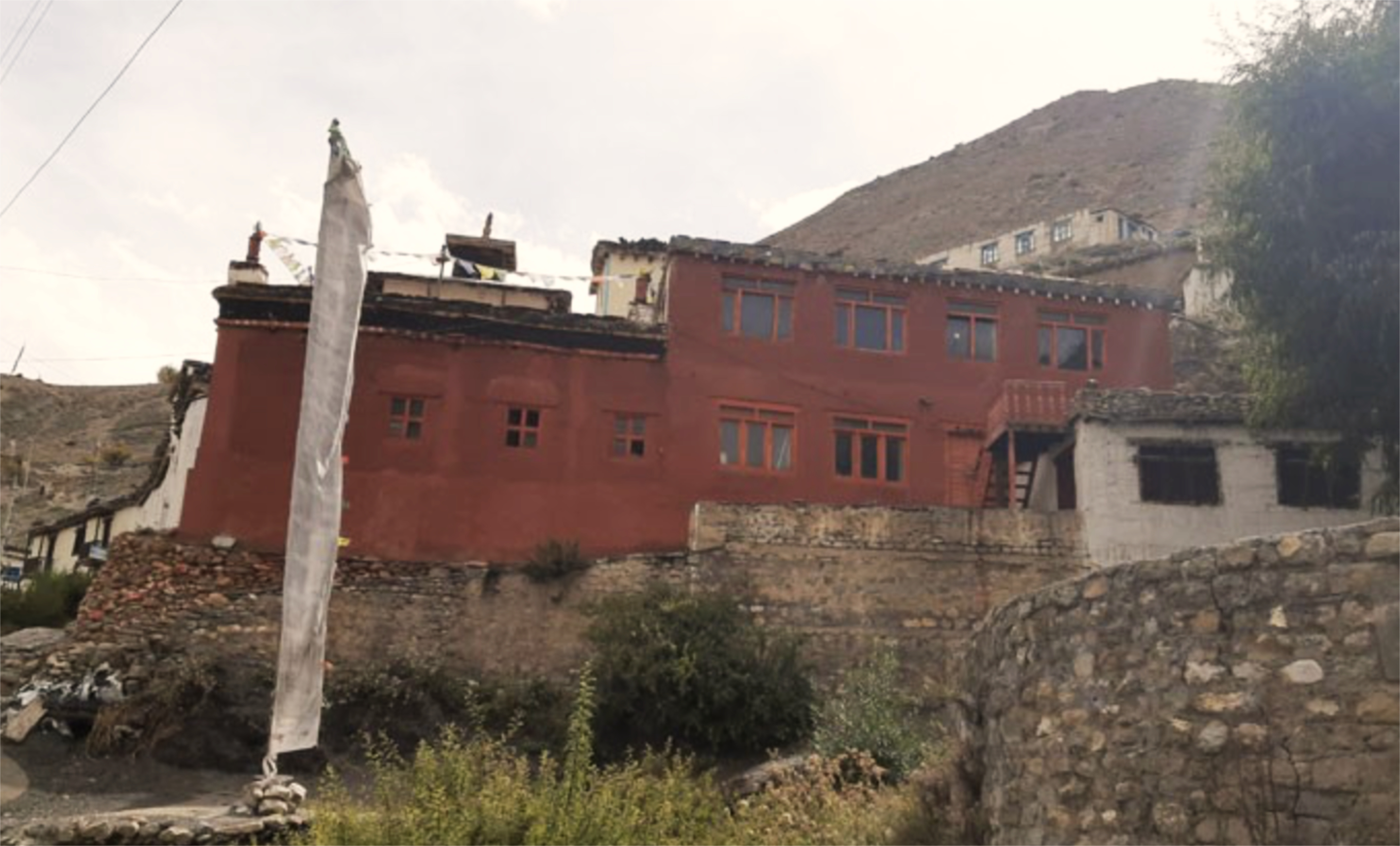
Yungdrung Phüntsok Ling in the village of Lubrak

The 8th day of the 10th lunar month is the birth anniversary of the intrepid scholar and spiritual master Karu Drupwang Tenzin Rinchen Gyaltsen Dechen Nyingpo, better known as Karu Drupwang Rinpoche. In 2023, this lunar date corresponds with November 20th. Born at sunrise in 1801 C.E. to a wealthy family in Kham, Tibet, his birth was precipitated by miraculous signs and his autobiography recounts that he was urged to take rebirth by a group of deities so that he could benefit beings through his manifestation. Throughout his life, he traveled extensively on lengthy pilgrimages and was a strong advocate for maintaining the authentic history of Yungdrung Bön sacred sites while maintaining a nonsectarian view and having meaningful interactions with a wide range of people from kings to outcastes. Throughout Tibet and Nepal, he became well known for both his intellect and his magical power.

An emanation of the 8th century B.C.E. yogi Lishu Taring, the first of his many visionary encounters occurred at the young age of two years old when he was visited by this sage and given extensive, detailed spiritual instructions. At the age of six, he took monastic ordination and began his studies at the nearby Nor Ling Monastery. He was an excellent student and was highly praised by his teachers for his achievements. However, upon the death of his father when he was thirteen, the family’s wealth, status, and influence quickly began to decline. As such, his position within the monastery also declined and the previous jealousy of his peers turned to outright hostility. After a few years of suffering from insults and ill treatment, he left the monastery in order to undergo a lengthy, solitary retreat. This retreat was interrupted however due to unforeseen circumstances that required him to fulfill his monastic responsibilities at Nor Ling. Again experiencing abuse from his peers, he made the decision to begin a lengthy pilgrimage. This began his lifetime of travel, visionary encounters, and his lasting impact on the the spiritual life and culture of the people of Dolpo and Lubrak in Nepal.

His first pilgrimage brought him to Kongpo Bönri where he had many extraordinary visionary encounters. He continued on to Tashi Menri and Kharna in Central Tibet, as well as many Zhang Zhung sacred sites as he made his way to Western Tibet. During these journeys, he would often discover that a Bönpo sacred site had been subsumed into Buddhist lore and history with no remaining Bönpo relevance. At this, he would fervently go about doing his best to correct the historical and religious record. One of his most well-known compositions is his detailed pilgrimage guide to Mount Tisé [a.k.a Mount Kailash], A Catalogue of Snowy Tisé which was written in 1844 C.E. This is the most detailed pilgrimage guide to this ancient sacred site and details its ancient connection with Yungdrung Bön.

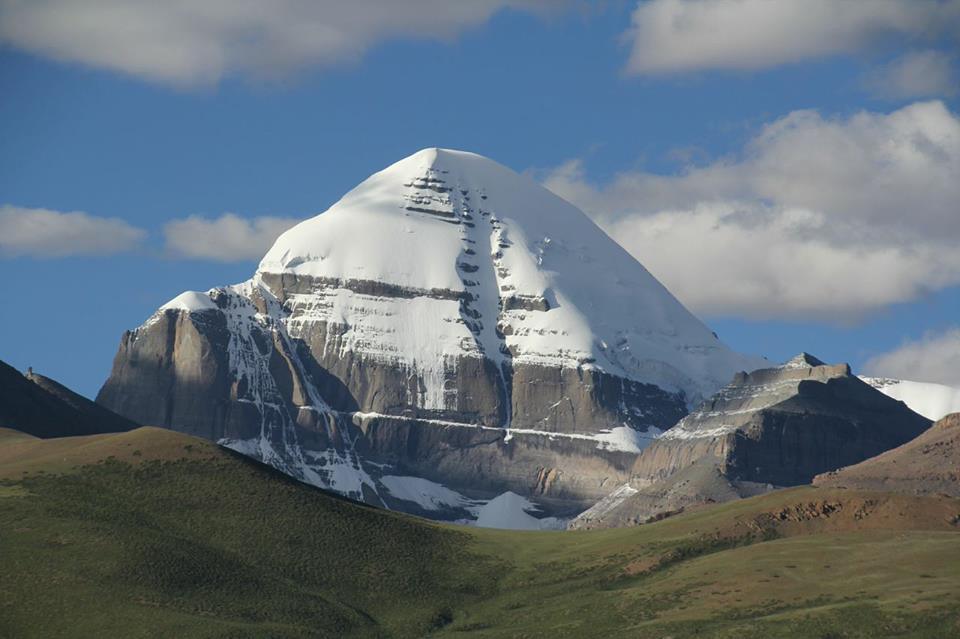
The Southern side of Mount Tisé

He spent a great deal of time in the village of Lubrak and sponsored the construction of a village temple of Yungdrung Phüntsok Ling in 1846 C.E. During this time, he met an impoverished woman and her son. Being a widow, the mother was having great difficulty providing for her child. Moved with compassion and feeling a connection with the young boy, he took him under his care. This boy went on to become one of his main students and the renowned master Drogön Tenzin Nyima.

Karu Drupwang Rinpoche’s other well-known composition is the Mar Ti Duk Nga Rang Drol, Essential Instructions on the Self Liberation of the Five Poisons. He received this dzogchen text as a mind treasure when he was twenty-five years old. During one of his visits to Lubrak, he wrote this text down in order to support the spiritual needs of the community. These teachings continue to be a part of the annual ritual in Lubrak and Karu Drupwang’s original manuscript is still held in the village as one of its great treasures.

“As for mirror-like wisdom, externally, it is the wisdom of not grasping at the self-nature of appearances. Internally, it is the wisdom of not grasping at the self-nature of one’s own identity. Secretly, it is the wisdom of not grasping at one’s own natural mind. Most secretly, it is the wisdom of not grasping at one’s own essential nature.

Every appearance of ignorance and delusion that arises, is in actuality emptiness. This wisdom of knowing emptiness is the wisdom of absolute reality.” 

From the Mar Ti Duk Nga Rang Drol, Essential Instructions on the Self Liberation of the Five Poisons

After spending long periods of time throughout Dolpo and Mustang, he made his way to Kathmandu, Nepal. There, he was often at the stupa of Swayambunath begging for alms. At this sacred site, Karu Rinpoche continued to have vivid, visionary encounters. He traveled throughout the Kathmandu valley encountering a variety of people and cultures. However, in 1852 C.E. he returned to Tibet and became a root lama to the esteemed 23rd Menri Trizin Künkhen Nyima Tenzin. During this time, he also became the Khenpo of his former monastery, Nor Ling.

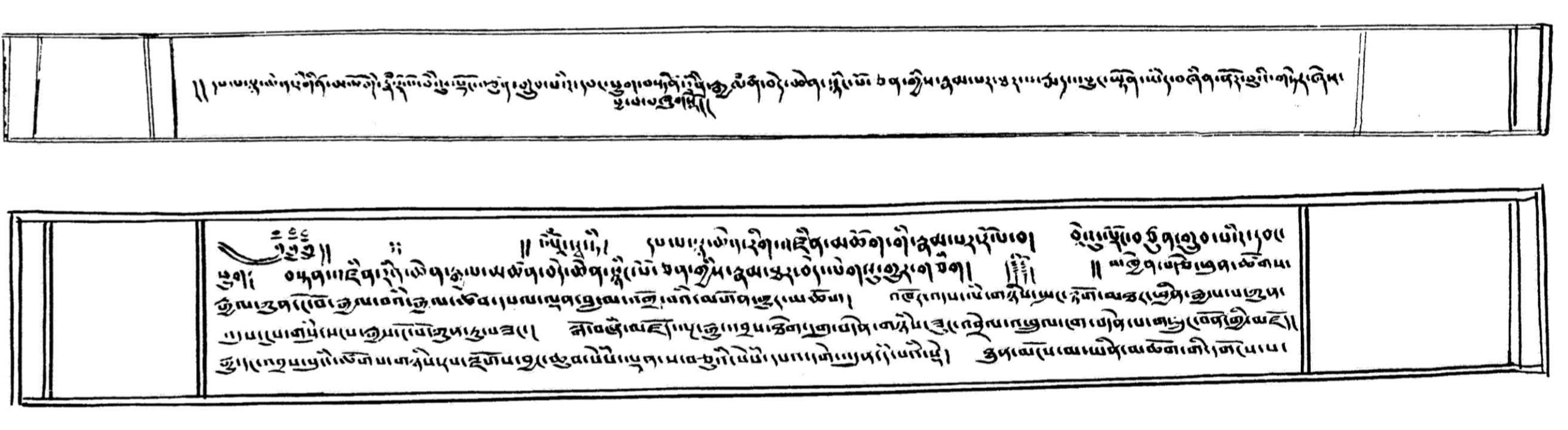
First pages of the Autobiography of Karu Drupwang Tenzin Rinchen

Upon the insistent urging of a disciple, he wrote an autobiography that was completed in 1845 C.E. which can be found in the temple of Samling in Dolpo, Nepal. Although the exact date of his passing beyond this life is not known, it is generally understood to have occurred some time in 1861 C.E.

Chapters within the Mar Ti Duk Nga Rang Drol, Essential Instructions on the Self Liberation of the Five Poisons:

  • Teachings on the Opportunities and Good Fortunes that are Difficult to Obtain from the Systematic Guidance for the Preliminary Practices of the Essential Guidance on the Self Liberation of the Five Poisons
  • Systematic Guidance Regarding the Difference Between Virtue and Wrongdoing, and Impermanence
  • Systematic Guidance on Going for Refuge
  • Systematic Guidance on Generating a Mind of Enlightenment
  • Systematic Guidance on Purifying Wrongdoing through Admission of Wrongdoing and Purification
  • Systematic Guidance on Completing the Accumulations through the Mandala Offering
  • Systematic Guidance on Receiving Blessings and Self-empowerment through Supplication
  • Teaching and Advice for Calm Abiding by Focusing on AH
  • Teaching and Advice for Searching the Mind and Awareness
  • Teaching and Advice for Introducing and Concentrating on the Mind
  • Teaching and Advice on the Path of the Six Aggregates
  • Teaching and Advice for Enhancing Gek Sel Practice
  • Teaching and Advice for Dark Retreat and Clear Light
  • Teaching and Advice for the Nourishment through Chulen [Extracting the Essence]
  • Teaching and Advice on the Six Important Points of Practice
  • Teaching and Advice for Abiding in the State of the Mind’s Essence
  • Teaching and Advice for Fully Realizing the Bön Essence
  • Teaching and Advice regarding the Result which is All-penetrating Wisdom
  • Teaching and Advice on the Power to Work with Deathless Birth
  • Teaching and Advice for Attaining Buddhahood with No Physical Aggregates Left Behind
  • Practice of the Goddess [Jamma]
  • The Clear Mirror of A Hundred Horoscopes of the Essential Instruction on the Self Liberation of the Five Poisons
  • A Little Song About the Connection Between the Relative and the Absolute
  • Abridged Preliminary Practices
  • Supplication of the Root Lama Drupwang Tenzin Rinchen [Composition of a disciple]
  • Expiation through Offering to the Lama
  • A Letter to the Ghosts and Demons that Suppresses Phenomenal Existence with its Majestic Brilliance

Raven Cypress Wood ©All Rights Reserved. No content, in part or in whole, is allowed to be used without direct permission from the author.Don’t want to miss a post? Scroll to the bottom and click “Follow this blog.”

Want to join the mandala of Nine Ways supporters? Follow this link https://ravencypresswood.com/donate/ It’s easy through Paypal and Zelle.
Anniversary of The Saint Gongdzö Ritro Chenpo Rinpoche

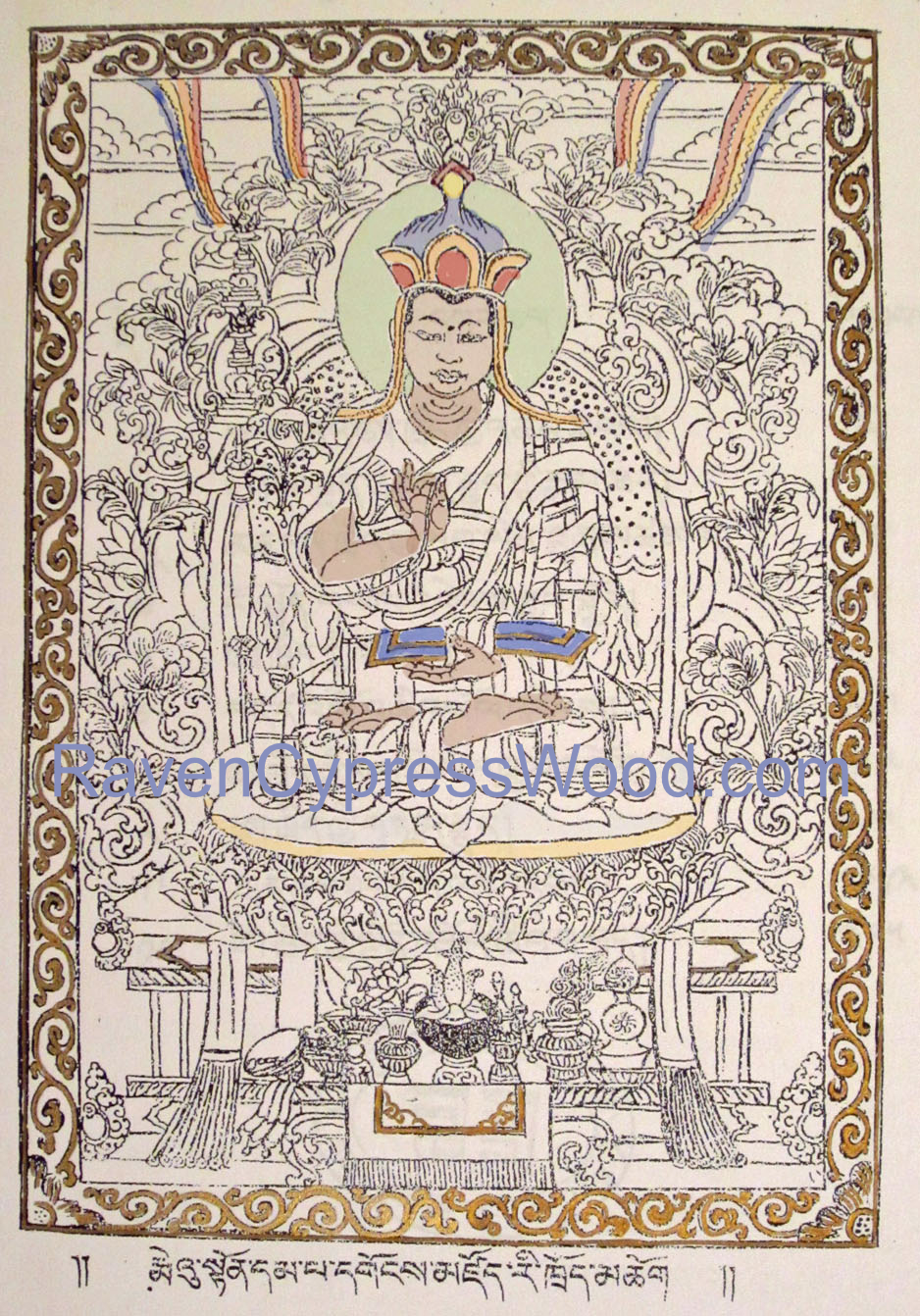
The Saint, Me’u Gongdzo Ritropa Rinpoche.

The 4th lunar day of the 10th lunar month is the celebration of the founder of the A TRI dzogchen lineage, Me’u Gongdzö Ritro Chenpo Rinpoche. In 2023, this date coincides with November 17th on the Western calendar. Born into the Me’u family in 1038 C.E., he is often referred to simply as “Dampa” meaning “The Saint.” The A TRI teachings are one of the three primary lineages of the Great Perfection teachings within the Yungdrung Bön religious tradition. In addition to material he collected from other sources for the A TRI scripture, he also added his own gong ter, or mind treasure, to the collection.  He organized the practices of the A Tri into 80 meditation sessions. Later in the 13th century, other lamas condensed the practice into 30 sessions, and then later it was further condensed into 15 sessions of practice as it is taught today.

When Gongdzö Ritropa was very young, his parents arranged for him to be married. Later as a youth, he had some realization of impermanence and yearned to leave worldly life. He asked his wife if they could separate so that he could practice the spiritual life but she refused. Feeling despondent, he made a plan. He burned some brush and mixed the ash with poison and yogurt. He rubbed this mixture onto his hands and arms. Soon afterwards his skin reacted in such a way that it looked as though he had contracted leprosy. He then went to his wife and family and showed them. He told them that he was afraid that he would spread the disease and he asked his wife if he had permission to go away. Alarmed, the wife and the rest of the family agreed. He rejoiced that he was now free to follow the spiritual path.

He received teachings from nine different teachers including the founder of Yungdrung Ling Monastery, Dru Yungdrung Lama. Deciding that he would be of greater benefit as a monk rather than a scholar, he requested ordination. At first, he was refused but upon the positive dream of the lama, he was given the vows of a monk. The lama advised him to live as a hermit and to be diligent in his meditation practice. Therefore, at the age of twenty-four, he became a monk and began a life of living as a reclusive yogi.

He exhibited many signs of accomplishment such as flying through the sky and leaving his hand and foot prints in stone. Although his primary focus was upon his meditation, he also wrote a number of texts. The A Tri lineage of dzogchen teachings was closely associated with the Dru family.  From the founder of Menri Monastery Nyammé Sherap Gyaltsen Rinpoche until His Holiness 4th Menri Trizin Kunzang Gyaltsen Rinpoche, the A TRI lineage was passed down through the abbots of Menri Monastery. However, after Künzang Gyaltsen Rinpoche the lineage split away from the line of Menri Abbots.

Raven Cypress Wood ©All Rights Reserved. No content, in part or in whole, is allowed to be used without direct permission from the author. Don’t want to miss a post? Scroll to the bottom and click “Follow this blog.”

Want to join the mandala of Nine Ways supporters? Follow this link https://ravencypresswood.com/donate/ It’s easy through Paypal and Zelle.