Category Archives: Prayer and Ritual

Developing Knowledge & Wisdom through the Power of the Lion of Speech

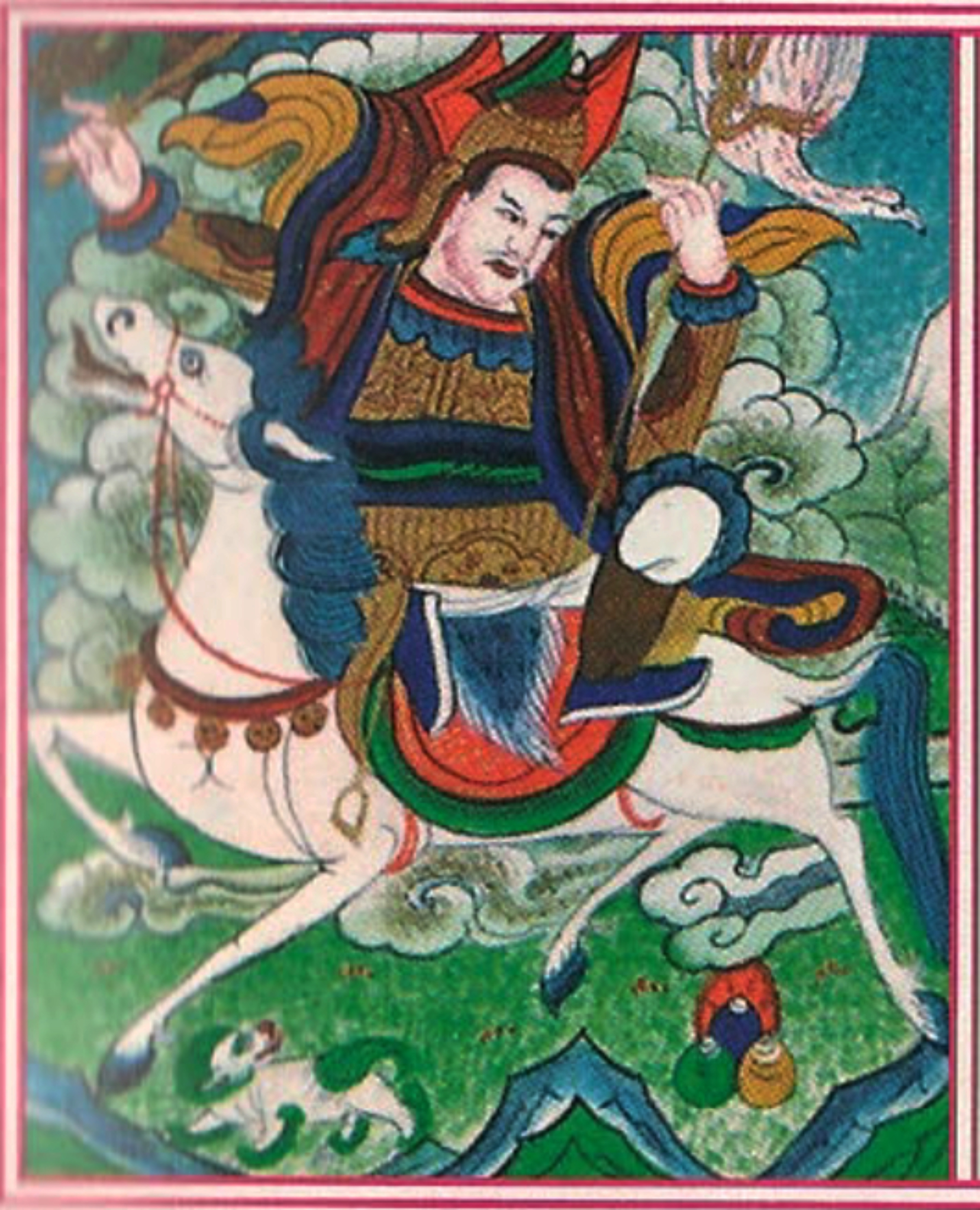
Mawé Sengé, Lion of Speech, with a sword of knowledge and a scripture.

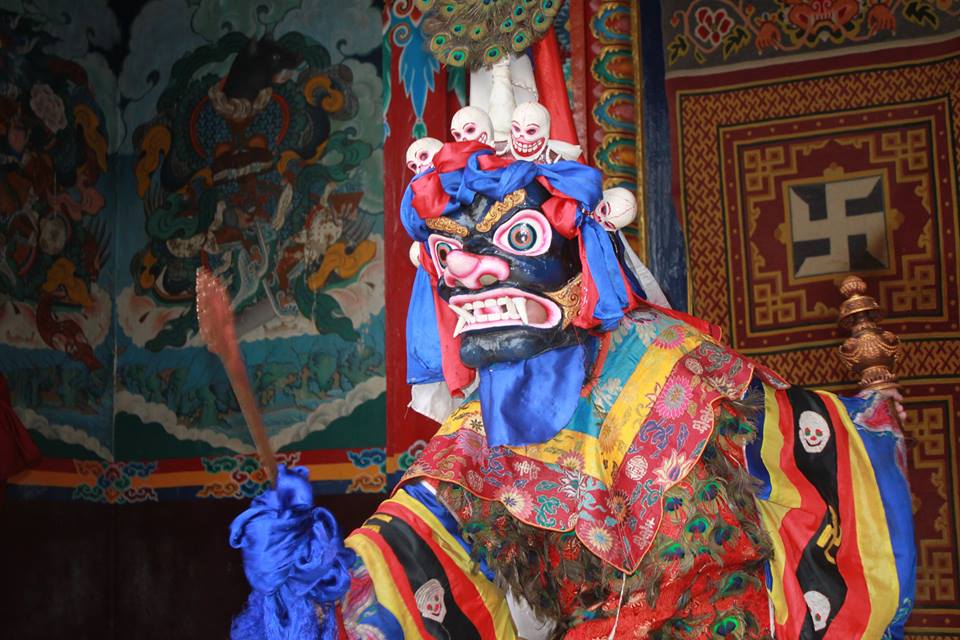
After the Tibetan New Year celebrations, students at Menri Monastery enter into an intensive retreat to cultivate the qualities of the wisdom deity Mawé Sengé, Lion of Speech. This retreat begins on the 24th lunar day of the 1st month and concludes on the 30th lunar day. In 2026, these dates are March 12th – March 18th on the Western calendar. The purpose of this retreat is to receive the blessings and empowerment of the wisdom deity Mawé Sengé in order to develop and sharpen the students’ intellect to support their upcoming studies in the new school year. The practice of Mawé Sengé is performed many times each day and the mantra of the deity is recited as much as possible throughout the retreat with a minimum accumulation of one hundred thousand mantra recitations.

Mawé Sengé is the manifestation of the Dzok ku, the enlightened state that spontaneously expresses perfected qualities. If practiced regularly, he clears away the darkness of confusion, develops the intellect, and gives a quick and steadfast memory without forgetfulness. If his practice is properly applied and accomplished, there are seven specific signs that arise that indicate his blessings and power have been accomplished. These are called The Seven Signs of Attaining Wisdom that Blazes Like Fire. They are:

  1. The sign of having removed the darkness of lack of knowledge from the intellect. Specifically, this refers to removing a weak or unclear intellectual understanding. 
  2. The sign of having the eye of wisdom. This is the attainment of clairvoyance, expansive knowledge, and wisdom.
  3. The sign of being like a lion of glorious poetry. This refers to the ability to write expert discourses, specifically scholastic poems and compositions.
  4. The sign of the sun of superior knowledge rising. This refers to the capability of having clear knowledge, without any confusion, regarding the qualities of any knowable subject. 
  5. The sign of attaining the recollection of intelligence that is never forgotten. This refers to a steadfast capability of remembering what has been learned without forgetfulness.
  6. The sign of being like a thunderbolt when debating. This refers to the capability to brilliantly overcome all others, without defeat or fear, when debating any subject whatsoever.
  7. The sign of the intellectual memory being fast like lightening. This refers to an extraordinary ability of having a clear and quick memory.

“I go for refuge to the wisdom deity for the intellect. I generate the supreme mind of enlightenment for the benefit of vigorous training in the highest wisdom. Having compassionately purified all karmic obscurations without exception, please bestow the attainments of an increased intellect, useful knowledge, and a divine voice!”  

— From The Short Practice of Mawé Sengé. Tibetan translation: Raven Cypress Wood

Mawé Sengé holding a sword and a butter lamp

In the Yungdrung Bön tradition, there are two principal forms of the wisdom deity Mawé Sengé. Both of these forms share most characteristics. However, one form holds a sword and a scripture as the hand objects. The other form holds a sword and a butter lamp. This second principal form of Mawé Sengé is according to the prayer, An Offering of Praise for the Supreme Wisdom Deity Sherab Mawé Sengé, A Garland of Utpala Flowers composed by the highly revered Nyammé Sherab Gyaltsen Rinpoche.

“With a sword of wisdom held in your right hand, you cut the root of deluded thoughts and self-grasping.

With a butter lamp of clarity held in your left hand, you dispel the dark intellect and ignorance of migrating beings.

In the space to your right and left, the sun and moon blaze with the splendor of the inseparability of method and knowledge.”

— Extract from An Offering of Praise for the Supreme Wisdom Deity Sherab Mawé Sengé, A Garland of Utpala Flowers

Tibetan translations by Raven Cypress Wood


Raven Cypress Wood ©All Rights Reserved. No content, in part or in whole, is allowed to be used without direct permission from the author.

Did you enjoy this content? This article is made possible by generous donors who want content like this to continue to be available. Don’t want to miss a post? Scroll to the bottom and click “Follow this blog.”

Join the mandala of Nine Ways supporters by donating through one of the services listed below.
Feast Offering to the Deities of the Mother Tantra

Untitled
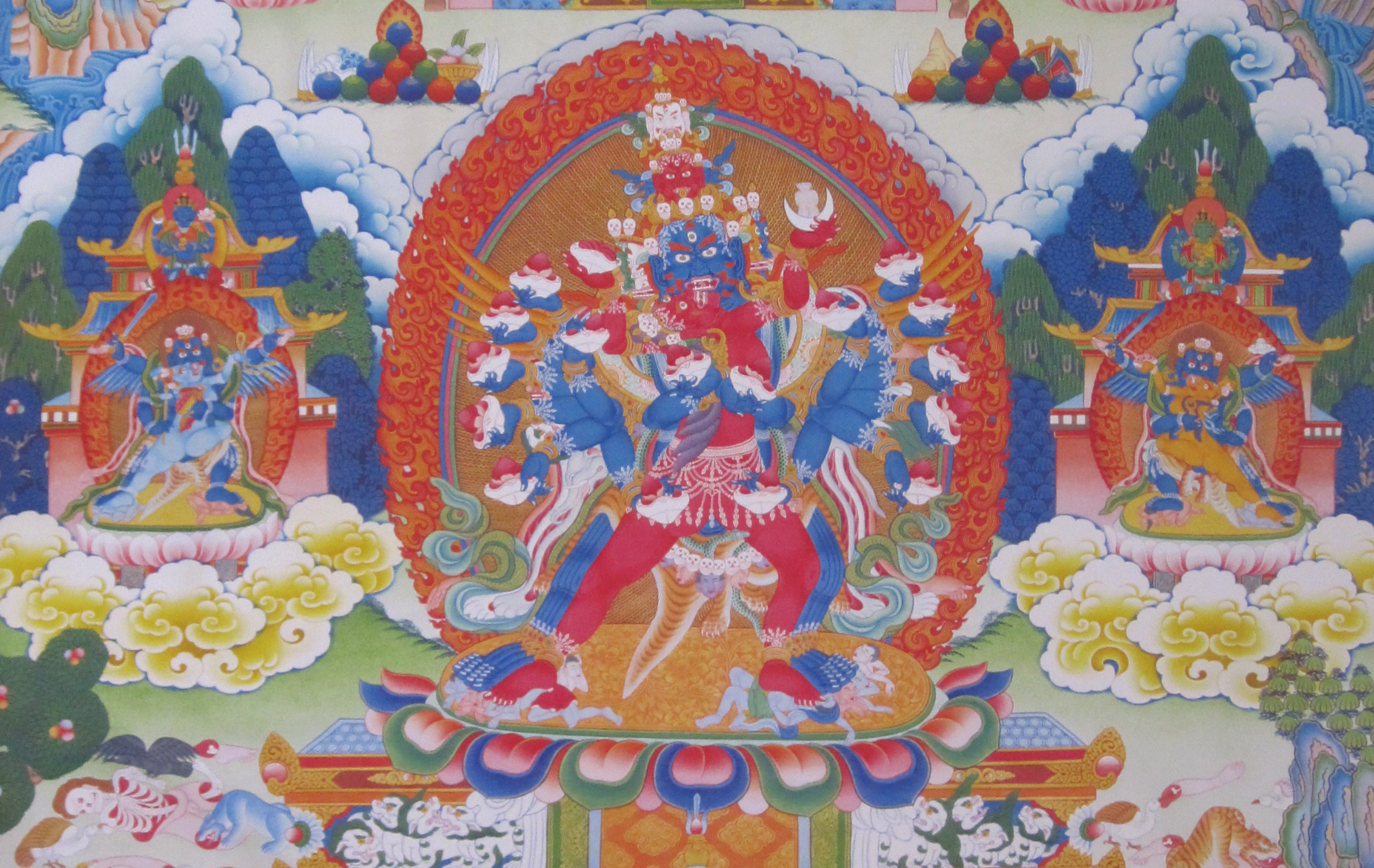
Mother Tantra deities as painted by Lama Kalsang Nyima. Photo credit: Raven Cypress Wood

On the 21st and 22nd lunar days of the 1st month, Menri Monastery in Dolanji, India perform a feast offering to the deities of the Mother Tantra according to the Shen tradition. In 2026, these dates are March 9th and 10th on the Western calendar. This kind of feast offering, known as tsok [Tibetan: tshogs] literally means “collection, accumulation, assembly.”

The source of the Mother Tantra within the Yungdrung Bön religious tradition is the primordial Buddha Küntu Zangpo. It has three cycles: external, internal and secret. Each cycle has a root text and commentary that was written by the sage Milu Samlek. The main yidam of the Mother Tantra is Sangchok Tartuk and his consort Khandro Chema Ötso. Of the two general types of either peaceful or wrathful tsok, the tsok of the Mother Tantra is categorized as wrathful.

menri ma gyud tsok 2021
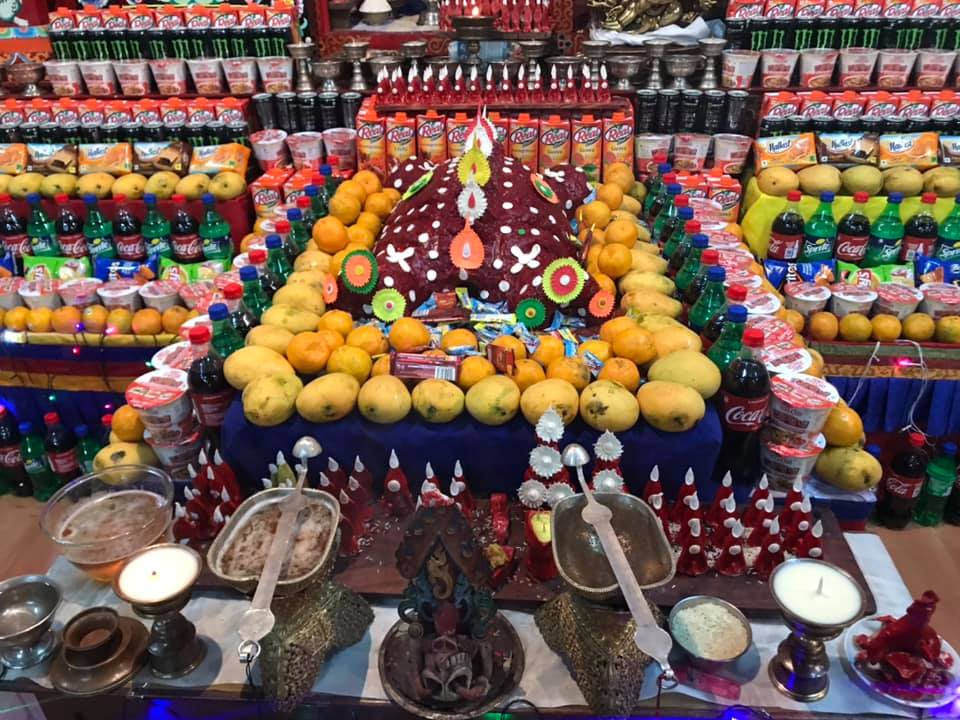
Tsok offerings for the principal deities and retinue of the Mother Tantra. Photo credit: Unknown

For those who have vows with a yidam deity, performing a tsok is an opportunity to repair broken vows or commitments related to the yidam practice and to increase merit and accomplishment associated with that particular yidam cycle. Having offered to the enlightened beings, we gain more power and energy. Additionally, past negative actions and the obstacles and imbalances of daily life are purified. Qualities such as health, longevity, prosperity, confidence, and stability are strengthened and increased. When undergoing a deity retreat, a tsok is performed each day in order to generate merit and remove obstacles for a successful retreat.

When performing a tsok, the ritual can be done in its condensed, medium-length, or extensive forms. This is determined by the purpose of the tsok, the sponsor, the circumstance, and the umdzé or ritual director of the feast offering. However, every tsok has stages that are essential and a similar structure consisting of preparation, preliminary practices such as setting a boundary, refuge, generating the mind of enlightenment and admission of wrongdoing and purification, the main practice consisting of prayers related to the specific deity or deities, and the concluding prayers of dedication and auspiciousness. In general, once the length of the tsok is determined, then the necessary substances, torma, and food offerings are prepared. Everything must be clean, prepared according to the specific text, and placed in its proper position in the shrine area.

To begin, the tsok offerings are ritually cleansed with water, incense, together with the corresponding mantras and visualization. Then, through mantric syllables and visualization, all of the offerings become a vast array that fills the three thousand-fold universe with wondrous offerings that delight each of the five senses including delicious foods that contains the eight qualities of nutrition, as well as limitless auspiciousness and positive qualities. The principal deity and retinue are formally invited to the tsok and asked to reside in the objects of support such as the yidam support torma or deity vase that has been properly prepared and placed in the center of the mandala.

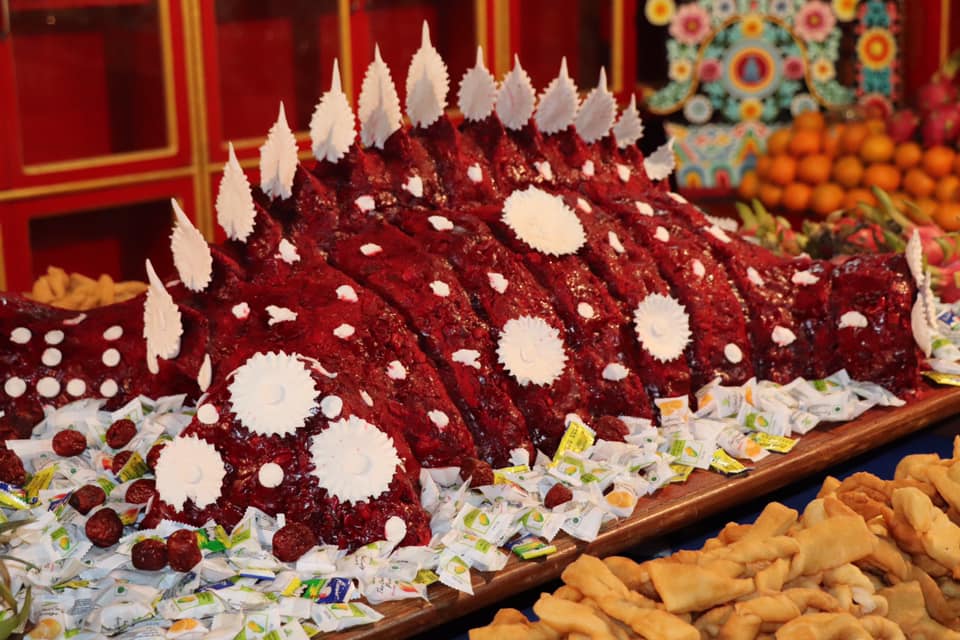
wrathful tsok
A wrathful tsok offering. Photo credit: Unknown

Now that the enlightened deity is present, prostrations are offered. One can also take this opportunity to confess any broken vows or commitments to the deity and receive purification and renewal of those vows. The eight offering goddesses are imagined to arrive from the vastness of space and to present the eight external offerings to the assembly of deities. Then, rakta mixed with black tea is offered as a symbolic offering of the liberation of our desire and attachment. Next, the ritually prepared medicinal alcohol is empowered and presented to the yidam deities as a symbolic offering of our realization and wisdom developed during our practice. The tsok is then liberated by being cut. The top-most portion is offered to the yidam deities, and the next portion is offered to the lineage lamas of the practice being performed. The linga torma represents outer enemies and obstacles as well as the inner five poisons, wrong views and so on. This torma is now presented to the yidam and religious protecters, liberated by cutting, and then offered while requesting the bestowal of both the ordinary and supreme attainments of the practice. The Yungdrung Bön protectors are then invoked and presented with offerings. After this, the prayer of delighting the deities and the lineage with the tsok is performed, and the prayer of attainment through accepting the tsok is performed. Then, by eating the tsok, vows are renewed and the blessings of the deities are received. The leftovers of the tsok offerings are given as a gift of charity to those lower beings who are powerless to take part in the tsok and who depend upon our generosity to receive its blessings. The concluding practices include prayers of aspiration and auspicious followed by dedicating all of the virtuous activity performed during the tsok for the benefit of every sentient being within cyclic existence.

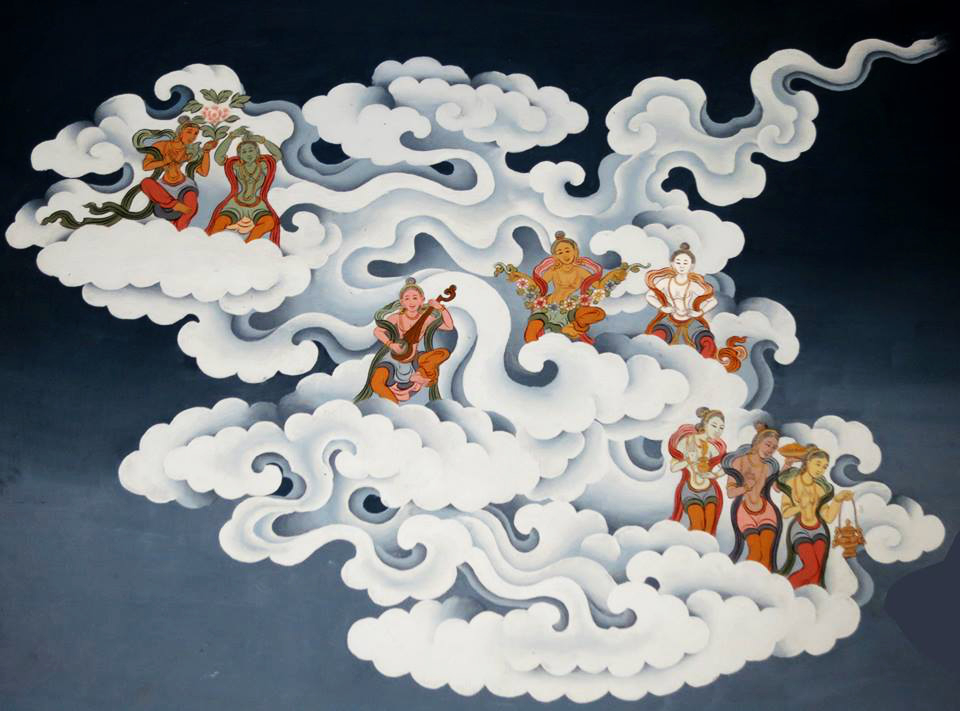
The Eight Offering Goddesses

“Within this mandala where marvelous things arise, there is a collection of enjoyable things such as sights, sounds, smells, tastes, things to touch, ornaments, Bön treasures, and so on. Through this unsurpassed cloud of offerings, both actually set out and imagined, may our sacred commitments be fulfilled!

Through the blessings of having fulfilled our sacred commitments to you, may the enlightened teachings of the Yungdrung Bön spread! Dispel into space all external, internal, and secret obstacles!”

And,

“Amazing! This sacred food is the essence of spiritual attainment. I will partake of it and receive both the ordinary and the supreme spiritual attainments!”

For more information about the cycle of Mother Tantra texts, see previous article: https://ravencypresswood.com/2021/12/18/a-brief-introduction-to-the-mother-tantras-of-yungdrung-bon/

Tibetan translations by Raven Cypress Wood


Raven Cypress Wood ©All Rights Reserved. No content, in part or in whole, is allowed to be used without direct permission from the author.

Did you enjoy this content? This article is made possible by generous donors who want content like this to continue to be available. Don’t want to miss a post? Scroll to the bottom and click “Follow this blog.”

Join the mandala of Nine Ways supporters by donating through one of the services listed below.
Recitation of The Great Mantra at Samling

Ritual inside Samling Temple

From the 25th lunar day of the 9th month until the New Moon day of the 30th, Déden Samten Ling will conduct their annual practice and recitation of The Precious Lamp. These dates correspond with November 14th-20th, 2025 on the Western calendar. Déden Samten Ling, or simply Samling, is located in Dolpo, Nepal near the Tibet border and has been greatly beneficial to Yungdrung Bön especially in the preservation of its sacred scriptures. (For more about Samling, see previous article: https://ravencypresswood.com/2019/08/03/the-monastery-of-blissful-meditation-deden-samten-ling/

The Precious Lamp is the tantra of The Great Mantra of Yungdrung Bön, the mantra known as the MA TRI. Lord Tönpa Shenrap himself spoke about the benefits of the MA TRI mantra especially for sentient beings living during the dark era and encountering obstacles to practice and achievement.

“This Precious Lamp, the extracted heart essence of all of those who have gone to bliss, is the fundamental essence of the entire collection of sacred teachings. It is the quintessential essence of all Bön. It is the ultimate of all recitations. It is the highest of all views. It is the innermost essence of all meditations. It is the fulfillment of all activities. It is the most superior of all results. It is the heart elixir of the principal teachings. It is a sacred connection for sentient beings during a dark time. It is a key to the collection of sacred teachings. It is the lamp of the collection of oral transmissions. It is the refined gold of the quintessential instructions. It opens the door of intellectual confusion. It is a lamp that clears away the darkness of ignorance. So that sentient beings during the five hundred years-long time of darkness will not have to exert themselves in meditation or accomplishment, this mantra recitation is the practice advice. For those reasons, it is a sufficient recitation.”

“As for this Sufficient Recitation that is a Precious Lamp, for ordinary men and women at the time when their awareness becomes free from its physical container, if they merely remember this mantra when the four elements of their body disintegrate, that alone will keep them from descending to a lower rebirth and they will attain a blissful place of liberation. This mantra is a precious lamp of sufficient remembering.

If anyone who has generated the mind of enlightenment writes the mantra and places it above the doorway of a retreat place or a home, whoever enters that doorway will attain liberation. This mantra is a precious lamp of sufficient entering.”

Extract from The Thirty-two Benefits of the Sufficient Recitation that is a Precious Lamp
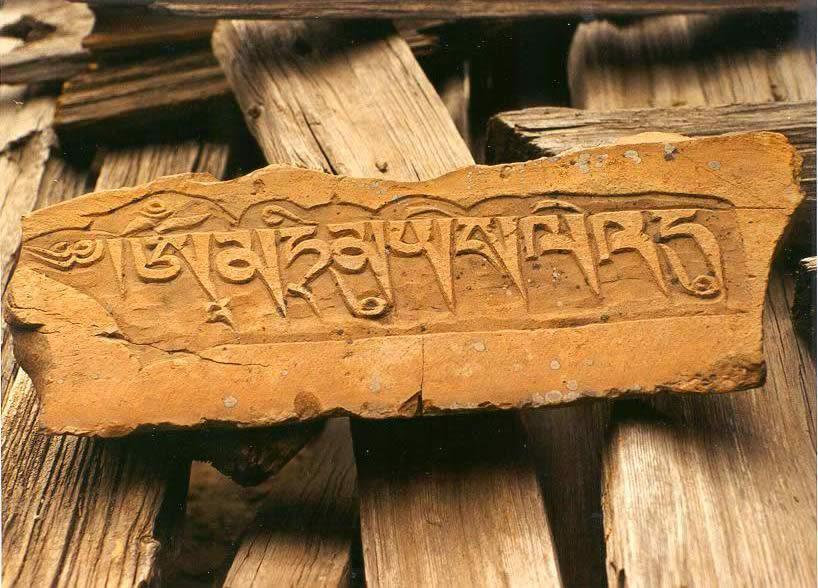
The MA TRI mantra displayed above the main door of a home.

The MA TRI mantra can be recited by anyone and is not required to be kept secret. It is one of Yungdrung Bön’s three essence mantras and is known as The Great Mantra. The complete mantra is OM MA TRI MU YÉ SA LÉ DU. There are many different melodies for its recitation. According to the text, when compassion is generated and its melody recited out loud, any sentient beings whose ear sense power perceives the mantric melody will attain liberation.

The profundity of the MA TRI mantra is inconceivable. It is said that if one wears it on the body, physical obscurations will be purified. If one recites it with speech, verbal obscurations will be purified. If one thinks of it in the mind, mental obscurations will be purified. If one recites the syllables continuously, there is no doubt that one will be reborn in a blissful realm immediately after death.

“The benefits of reciting this mantra just once are greater than filling all the worlds with the five precious substances and making offerings to the buddhas. All the aims of this life and the next will be accomplished.”

Commentary on the MA TRI mantra by Shardza Tashi Gyaltsen
Each of the syllables of the MA TRI have a specific color that corresponds with the deity that manifest from their essence

Although the power of a mantra is not limited to what can be expressed through language and therefore cannot be defined through concepts, it is possible to make associations of the syllables with their manifested expression to give some idea of their unique significance. For the MA TRI mantra, the associations are:

  • OM has the nature of the state of Tönpa Shenrap Miwo Künlé Nampar Gyalwa who is principally related to a skillful method of compassionately taming migrating beings.
  • MA has the essence of Tükjé Jamma, the source of everything, the vast expanse of the mother’s womb, and the basis for omniscience. It represents the characteristics of the great mother Tukjé Jamma who is principally associated with wisdom.
  • TRI is the seed syllable of Mucho Demdruk who protects from heat and cold through great love. He is the Subduing Shen of the hell realms. Hatred dissolves into the vast expanse of love.
  • MU is the seed syllable of Sangwa Ngangring who satisfies hunger and thirst through great generosity. He is the Subduing Shen of the hungry ghosts. Desire and attachment dissolve into the vast expanse of generosity.
  • is the seed syllable of Tisang Rangzhi who removes stupidity and muteness with great wisdom. He is the Subduing Shen of the animals. Mental dullness dissolves into the vast expanse of wisdom.
  • SA is the seed syllable of Drajin Pungpa who tames jealousy through great openness. He is the Subduing Shen of humans. Jealousy dissolves into the vast expanse of great openness.
  • is the seed syllable of Chegyal Parti who destroys pride through great peacefulness. He is the Subduing Shen of the demi-gods. Pride dissolves into the vast expanse of peace.
  • DU is the seed syllable of Yeshen Tsukpu who tames laziness through great zeal. He is the Subduing Shen of the gods. Laziness dissolves into the vast expanse of diligence.
MA TRI prayer flags

Prayer flags of the MA TRI mantra are currently available for purchase from the Nine Ways Shop. Their small size is perfect for hanging above doorways. Visit the Nine Ways Shop by clicking the link at the top of this page. Items sold support the construction of a memorial chorten for Yangtön Lama Tashi Gyaltsen. [Please note that items only ship within the continental United States.]

Raven Cypress Wood ©All Rights Reserved. No content, in part or in whole, is allowed to be used without direct permission from the author.

Did you enjoy this content? This article is made possible by generous donors who want content like this to continue to be available. Don’t want to miss a post? Scroll to the bottom and click “Follow this blog.”

Join the mandala of Nine Ways supporters by donating through one of the services listed below.

Now Available! A Blazing Mala of Wish-Fulfilling Jewels: A Compilation of Daily Prayers from the Yungdrung Bön Religious Tradition

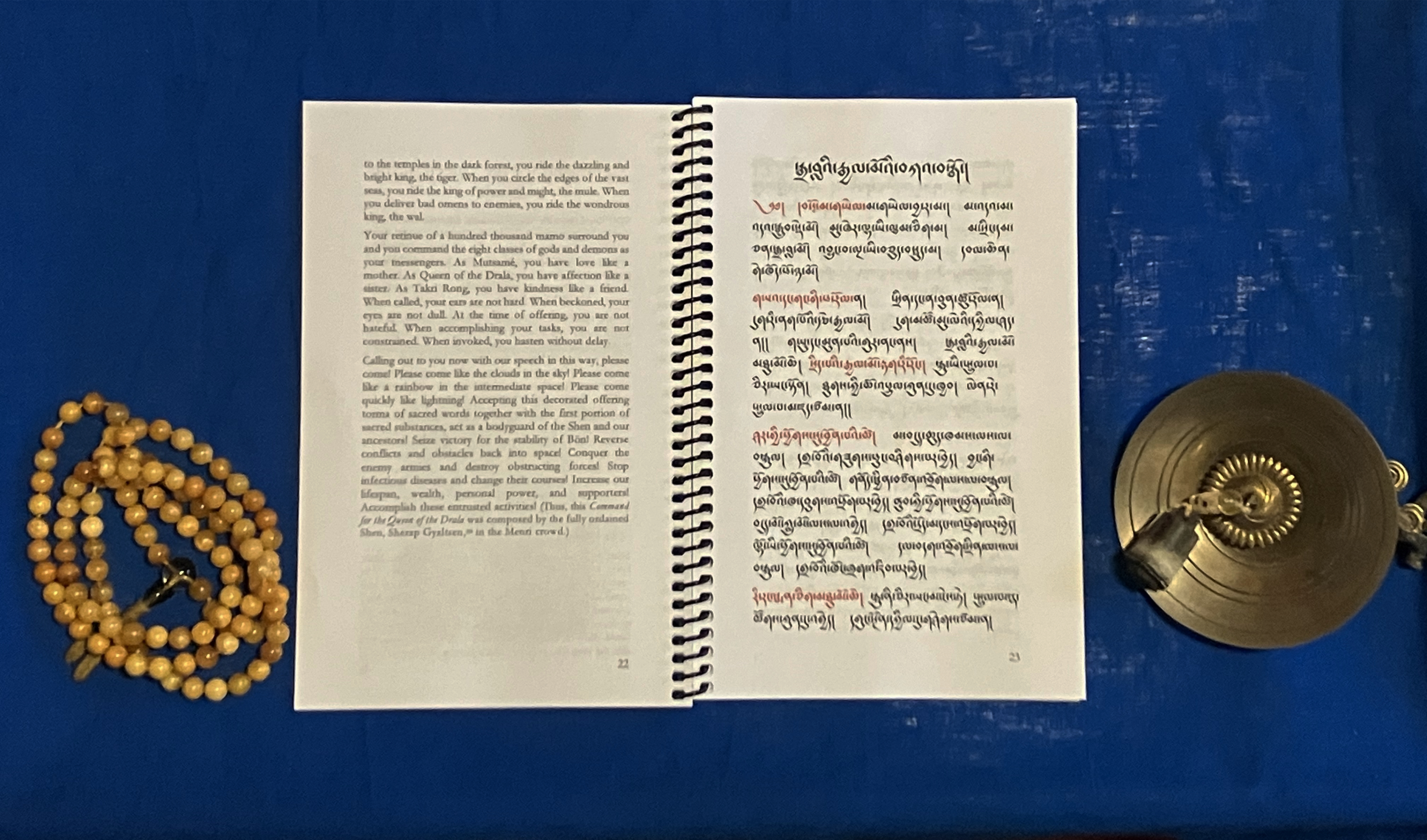
In 2024, Gary Freeman was on pilgrimage in Nepal with a group of Geshe Sonam Gurung’s students and had seen some beautiful murals of various manifestations of Sipé Gyalmo. Inspired by these images, he contacted me and generously offered to sponsor translation of prayers related to these specific manifestations. In the past, Gary and his wife Adriana sponsored the English translation of the healing waters practice of Sigyal Drakngak. Because of their request and sponsorship, this practice was translated into multiple languages, published, used by disciples worldwide during the Covid-19 pandemic, and continues to be used by regular practice groups. So, even though I was in the midst of finalizing translations for a forthcoming book on the MA TRI tantra, I set that aside to happily translate a few prayers. After sending the finished translations to Gary, I thought that it would be wonderful if they were also available to with the worldwide Yungdrung Bön community. With that in mind, I decided to create a small booklet of prayers focusing on female protectors that could be used by the faithful while on pilgrimage. 

After a couple of weeks, I decided that the booklet was finished and went back to working on the MA TRI translations. However, I was constantly considering other prayers that would be beneficial additions. I would then add an additional prayer and again decide that it was complete. After doing this a few times, I surrendered to totally focusing on the pilgrimage booklet. Weeks turned to many months and the booklet grew to a 200 page book. And so, A Blazing Mala of Wish-fulfilling Jewels was born. It is a compilation of prayers and practices of the Yungdrung Bön religious tradition with an emphasis on female buddhas, protectors, and yogis. Being composed by enlightened ones or realized masters, these prayers carry power beyond that of ordinary words. When performed with faith and devotion, their profundity is inconceivable. When performed in conjunction with instruction and oral transmission from an authentic Yungdrung Bön master, their power and effectiveness are exponentially multiplied. These prayers are used for awakening the heart and mind, offering devotion, accumulating merit and wisdom, removing obstacles, protecting and increasing the life force, making aspirations, and so on. The book is formatted similar to a traditional Tibetan prayer book in that one prayer seamlessly follows another in an unbroken way. Thus, it is like a mala with each prayer like an individual bead being connected by the strong thread of Bön wisdom within the verses. When used with faith and devotion, the prayers become like blazing, wish-fulfilling jewels.

Most of the compositions are from my personal collection of Tibetan language prayer books and were translated over the course of many years. Some were translated in response to a request from a single individual, others were translated from a request by a Yungdrung Bön lama to be used for a one-time teaching or event, and others are prayers that have become part of my own practice. A select few were translated specifically to be included in the book. I am delighted to now share them with the worldwide Yungdrung Bön community.

The English language translations in the first half of the book are followed by the Tibetan language text with corresponding phonetics. The end of the book contains a brief Glossary of Terms and Notes section but there are no explanations of the meaning of the prayers or instructions for their use. In that way, use of A Blazing Mala of Wish-fulfilling Jewels assumes that the reader has at least some basic familiarity with the material, the Yungdrung Bön religious tradition, and with the language and terms used within the prayers. The book follows the traditional structure of beginning with prayers of homage and supplication to the lamas, followed by supplications and invocations of the peaceful and wrathful deities, and concluding with prayers of aspiration and dedication. My wish is that this book will be a support for happiness and spiritual development for generations to come. 

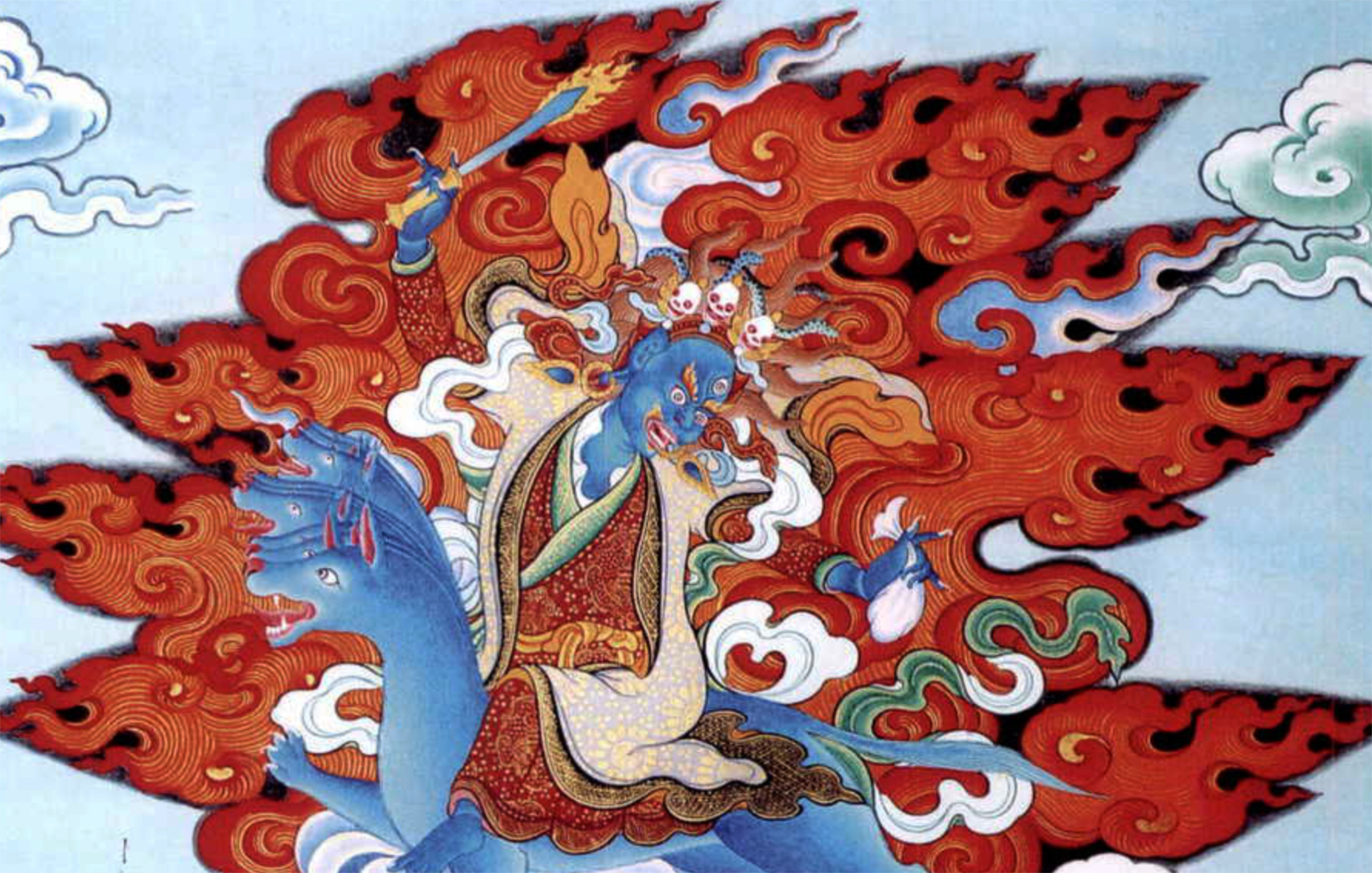
Yeshe Walmo sacred dance at Menri Monastery in India

“Mother Yeshé Walmo, together with your powerful, magical emanations, you guard both the teachings and those who keep their vows, and you cut the life force of those who break their vows. You liberate the discordant into space and guide along the path of liberation. I, an only child, constantly call out to my mother. Does the single mother’s ears not hear me? I, an only child, constantly yearn for my mother. Does the single mother’s heart not consider me? Sole Mother, I, the Shen practitioner who calls upon you, am accepting hardships, aspiring to enlightenment, relying on solitary places, carrying the lama at my crown, and practicing with my mind in the midst of diversions and distractions. Single Mother, lead me along the path! Sole Mother, fulfill my wishes! Sole Mother, dispel my obscurations!”

Extract from The Heartdrop Invocation of Yeshé Walmo’s Vitality

In the coming days, A Blazing Mala of Wish-Fulfilling Jewels will be available for purchase from the major book distributors such as Amazon and Barnes and Noble. Until then it can be purchased from Ligmincha International’s Windhorse Store: https://windhorse.store/product/a-blazing-mala-of-wish-fulfilling-jewels-by-raven-cypress-wood/ Or directly from Lulu here: https://www.lulu.com/shop/raven-wood/a-blazing-mala-of-wish-fulfilling-jewels/paperback/product-e7wm7j6.html?page=1&pageSize=4

English Language Translations Table of Contents

  • CLEANSING RITE SUPPLICATION
  • CLEANSING WITH WATER
  • FUMIGATING WITH INCENSE
  • MANTRAS OF THE FIVE DAILY OFFERINGS
  • HOMAGE TO THE EIGHTH UNIVERSAL GUIDE, BUDDHA TÖNPA SHENRAP MIWOCHÉ        
  • SUPPLICATION TO LORD TAPIHRITSA
  • COMPLETELY PURE AND CHANGELESS OFFERINGS TO THE LAMA, AN ORNAMENT OF WISH-GRANTING JEWELS
    • The Stages of Visualization
    • Request to Remain
    • Prostrations
    • Admission of Wrongdoing and Purification
    • Mandala Offering
    • The Five Offerings
    • Praise of the Enlightened State
    • Requesting Accomplishments
    • Aspiration Prayer
  • DÉ CHEN GYALPO, SUPPLICATION TO THE GREAT, UNEQUALED LORD        
  • A VICTORIOUS PALACE OF PRAISE FOR THE UNEQUALED LORD, SHERAP GYALTSEN          
  • GOING FOR REFUGE
  • GENERATING THE MIND OF ENLIGHTENMENT
  • SUPPLICATION TO THE LORD OF REFUGE, THE SUPREME 33RD THRONE-HOLDER OF MENRI, LUNGTOK TENPÉ NYIMA RINPOCHE
  • SUPPLICATION TO THE LORD OF REFUGE, THE GREAT 34TH THRONE-HOLDER OF MENRI, LUNGTOK DAWA DARGYAL RINPOCHE
  • SUPPLICATION TO THE LORD OF REFUGE, MENRI YONGDZIN LOPÖN TENZIN NAMDAK RINPOCHE
  • SUPPLICATION TO THE LORD OF REFUGE, MENRI PÖNLOP YANGTÖN TRINLEY NYIMA RINPOCHE
  • HOMAGE TO BUDDHA SATRIK ÉRSANG
  • PRAISE AND BENEFIT OF JAMMA’S MANTRA
    • Homage
    • Going for Refuge
    • Admission and Purification of Wrongdoing and Misdeeds
    • Focusing the Mind
    • Generating the Mind
    • Introduction
    • Main Text
    • Benefits
    • Praise of the Recitation
    • Aspiration
  • SUPPLICATION TO JAMMA
    • The Visualization
    • The Recitation
  • PRESENTING THE FIVE OFFERINGS TO THE GATHERING OF JAMMA DEITIES           
  • MANTRAS OF JAMMA’S FIVE WISDOM MANIFESTATIONS
  • SUPPLICATION TO TUKJÉ JAMMA, THE COMPASSIONATE LOVING MOTHER           
  • THE HEART SUTRA OF THE MOTHER OF THE GREAT VEHICLE, THE YUM DŌ           
  • SUPPLICATION TO KHANDRO CHOZA BÖNMO
  • FUMIGATION OFFERING TO BLACK MULE SIPÉ GYALMO
  • SIGYAL KA TÖ, ALPHABETICAL PRAISE OF THE SUPREME MOTHER SIPÉ GYALMO   
  • ALPHABETICAL PRAISE TO A VISION OF BLACK MULE SIPÉ GYALMO
  • SIGYAL’S ENTRUSTED ACTIVITY
  • TO A VISION OF SIGYAL
  • A FLAMING LIGHTNING BOLT, THE SECRET INVOCATION OF THE QUEEN OF PHENOMENAL EXISTENCE
  • INVOCATION OF RED MULE SIPE GYALMO
  • INVOCATION OF YESHÉ WALMO
  • THE HEARTDROP INVOCATION OF YESHÉ WALMO’S VITALITY
  • INVOCATION OF THE THREE WATCHWOMEN, THE JARAMA SUM
  • A BRIEF INVOCATION OF CHAMMO LAM LHA, GODDESS OF TRAVEL           
  • PRESENTING OFFERINGS TO YESHÉ WALMO
  • PRESENTING OFFERINGS TO THE THREE SUPREME JEWELS
  • FOOD OFFERING PRAYER
  • SUPPLICATION TO THE SACRED PLACE OF BÖNRI WHERE BLESSINGS ARE QUICKLY ATTAINED      
  • THE THREE ESSENCE MANTRAS OF YUNGDRUNG BÖN, THE NYINGPO NAMSUM   
  • GENERAL MAWÉ SENGÉ MANTRA
  • LONGEVITY MANTRA FROM THE TSÉWANG JARIMA
  • TSÉWANG BÖ YULMA MANTRA
  • MEDICINE BUDDHA MANTRA
  • MANTRA FOR DAILY WATER OR DRINK
  • THE SYLLABLES OF THE ALI KALI, THE CAUSE FOR ENLIGHTENED WORDS AND SOURCE OF THE SCRIPTURES
  • MANTRA OF THE BLAZING GODDESS, TSUKTOR BARMA
  • SUPPLICATION TO THE GREAT LAMA DRENPA NAMKHA AND HIS TWO SONS FOR THEIR SWIFT BLESSINGS
  • SENDING OUT AND GATHERING BACK OF THE MA TRI RECITATION 
    • Praising the Recitation
  • A CONDENSED WHITE BURNT FOOD OFFERING
    • The Invitation
    • Offering and Dedicating
    • Supplement to the Burnt Food Offering
  • THE BAR CHE LAM SEL, THE SPONTANEOUS WISH-FULFILLMENT OF REMOVING OBSTACLES FROM THE PATH
  • ASPIRATION PRAYER TO THE WORLDLY GODS AND GUARDIANS
  • EIGHT-BRANCHED ASPIRATION PRAYER
    • The Branch of Inviting
    • The Branch of Prostrating
    • The Branch of Making Offerings
    • The Branch of Admitting Wrongdoing
    • The Branch of Subsequently Being Delighted
    • The Branch of Supplicating
    • The Branch of Aspiration Prayers
    • The Branch of Dedicating
  • TSÉWANG’S PRECIOUS MALA OF BENEFICIAL ASPIRATION PRAYERS
  • THE DAILY RECITATION OF THE THREE-FOLD ASPIRATION PRAYER, THE MÖNLAM NAM SUM       
    • The Jewel Mönlam
    • Aspiration Prayer of Wish-fulfilling Jewels
    • Namgyal’s Torma Aspiration Prayers
    • Aspiration Prayer of the Ten Grounds
    • Becoming Peaceful
    • Dedication
    • Aspirations of Lord Gyalwa Düpa
    • Aspirations and Dedication
    • The One Hundred Syllable Mantra, Yig Gya
    • Dedication
  • A CONDENSED PRAYER OF ASPIRATION
  • THE BARDO MÖNLAM, LAMA GUR ZHOK’S PRECIOUS MALA OF ASPIRATION PRAYERS FOR THE BARDO
  • WORDS OF TRUTH ASPIRATION PRAYER
  • ASPIRATION PRAYER FOR THE CONTINUATION OF THE TEACHINGS

Tibetan Language Table of Contents

  • བོད་སྐད་ཡིག་དང་སྒྲ་གདངས།        
  • ཁྲུས་གསོལ།
  • ཁྲུས་ཀྱིས་བཀྲུས་པ།
  • སྤོས་ཀྱིས་བསང།
  • མཆོད་པ་རྣམ་ལྔ་བསྙེན་པ།
  • རྣམ་འདྲིན་བརྒྱད་པ་སངས་རྒྱས་སྟོན་པ་གཤེན་རབ་མི་བོ་ལ་ཕྱག་འཚལ།
  • ཏ་པི་ཧྲི་ཙ་གསོལ་འདེབས།
  • བླ་མའི་མཆོད་པ་རྣམ་དག་འགྱུར་མེད།  བསམ་འཕེལ་ནོར་བུའི་རྒྱན་ཞེས་བྱ་བ་བཞུགས།
    • བསྐྱེད་རིམ།
    • བཞུགས་སུ་གསོལ་བ།
    • ཕྱག་འཚལ།
    • བཤགས་པ།
    • མནྡལ་འབུལ།
    • རྣམ་ལྔ།
    • སྐུ་བསྟོད།
    • དངོས་གྲུབ་ཞུ་བ།
    • སྨོན་ལམ།
  • རྗེ་མཉམ་མེད་ཆེན་པོའི་གསོལ་འདེབས།         
  • རྗེ་མཉམ་མེད་ཤེས་རབ་རྒྱལ་མཚན་གྱི་བསྟོད་པ་རྣམ་རྒྱལ་ཁང་བཟང།        
  • སྐྱབས་སུ་འགྲོ་བ།
  • སེམས་བསྐྱེད་པ།
  • སྐྱབས་རྗེ་སྨན་རིའི་ཁྲི་འཛིན་སོ་གསུམ་པ་མཆོག་གི་གསོལ་འདེབས།
  • སྐྱབས་རྗེ་སྨན་རིའི་ཁྲི་འཛིན་སོ་བཞི་པ་ཆེན་པོའི་གསོལ་འདེབས།    
  • སྐྱབས་རྗེ་སྨན་རིའི་ཡོངས་འཛིན་སློབ་དཔོན་རིན་པོ་ཆེ་མཆོག་གི་གསོལ་འདེབས།       
  • སྨན་རིའི་དཔོན་སློབ་རིན་པོ་ཆེའི་གསོལ་འདབེས།
  • ས་ཏྲིག་ཨེར་སངས་སྐུ་ལ་ཕྱག་འཚལ་ལོ།        
  • བྱམས་མའི་སྔགས་བསྟོད་པ་ཕན་ཡོན་བཅས་བཞུགས།    
    • ཕྱག་འཚལ།
    • སྐྱབས་ཡུལ་བསྒོམ་པ།
    • བཤགས་པ།
    • སེམས་བཟུང་བ།  
    • སེམས་བསྐྱེད།    
    • ངོ་སྤྲོད།  
    • གཞུང་གི་དོན།     
    • ཕན་ཡོན།
    • འཛབ་བསྟོད།     
  • བྱམས་མ་གསོལ་འདེབས།   
    • དགོངས་རིམ།     
    • ཚིག་བཤད།       
  • བྱམས་མའི་ཚོགས་ལ་མཆོད་པ་རྣམ་ལྔ་འབུལ།   
  • བྱམས་མ་རིག་ལྔ་འཛབ།   
  • བྱམས་མའི་གསོལ་འདེབས།
  • ཡུམ་མདོ།  ཐེག་པ་ཆེན་པོ་ཡུམ་ཀྱི་སྙིང་པོ་ཞེས་བྱ་བའི་མདོ་བཞུགས།         
  • ཅོ་ཟ་བོན་མོ་གསོལ་འདེབས།
  • སྲིད་རྒྱལ་དྲེའུ་ནག་མོའི་བསང་མཆོད་རིན་ཆེན་གཏེར་སྤུངས་བཞུགས།        
  • མ་མཆོག་སྲིད་རྒྱལ་གྱི་ཀ་བསྟོད་།      
  • སྲིད་རྒྱལ་དྲེའུ་ནག་ཞལ་གཟིགས་མ་ཡི་ཀ་བསྟོད།         
  • སྲིད་རྒྱལ་འཕྲིན་བཅོལ།      
  • སྲིད་རྒྱལ་ཞལ་གཟིགས་བཞུགས།     
  • ཡང་ཟབ་ནམ་མཁའ་མཛོད་ཆེན་ལས།
  • རྒྱུད་ཉི་འགྲེལ་ལས་བྱུང་བའི་སྲིད་རྒྱལ་དྲེའུ་དམར་མོའི་བསྐུལ་པ་བཞུགས།    
  • ཡེ་ཤེས་དབལ་མོའི་བསྐུལ་པ།         
  •  ཡེ་ཤེས་དབལ་མོའི་སྲོག་བསྐུལ་སྙིང་གི་ཐིག་ལེ་བཞུགས་སོ།        
  • བྱ་ར་མ་གསུམ་བསྐུལ་པ་བཞུགས། བསྒྲགས་པ་སྐོར་གསུམ        
  • ལྕམ་མོ་ལམ་ལྷ་བསྐུལ་ཆུང་བཞུགས།  
  • ཡེ་ཤེས་དབལ་མོར་མཆོད་འབུལ།     
  • དཀོན་མཆོག་གསུམ་ལ་མཆོད་འབུལ།  
  • ཟས་མཆོད།       
  • བོན་རི་གནས་ཀྱི་གསོལ་འདེབས་བྱིན་རླབས་མྱུར་འགྲུབ་བཞུགས།  
  • སྙིང་པོ་རྣམས་གསུམ།       
  •  སྤྱི་སྨྲ་སེང་བསྙེན་པ།
  • ཚེ་དབང་བྱ་རི་མའི་བསྙེན་པ།
  • ཚེ་དབང་བོད་ཡུལ་མའི་བསྙེན་པ།
  • སྨན་ལྷའི་བསྙེན་པ།
  • ཆུའམ་བཏུང་བའི་རིགས་ལ་བསྙེན་པ།
  • བཀའ་རྒྱུ་ལུང་གི་འབྱུང་གནས་ཨ་ལི་ཀ་ལི་ཡིག་ཆུང་བཞུགས་སོ།
  • གཙུག་ཏོར་འབར་མའི་གཟུངས་བཞུགས་སོ།
  • བླ་ཆེན་དྲན་པ་ཡབ་སྲས་ཀྱི་གསོལ་འདེབས་བྱིན་བརླབས་མྱུར་འབྱུང་བཞུགས་སོ།
  • མ་ཏྲིའི་འཛབ་ཀྱི་འཕྲོ་འདུ།
  • དཀར་གསུར་བསྡུས་པ།
    •  གསུར་བསྔོའི་ཁ་སྐང་།
  • མཁའ་འགྲོ་ཤེས་རབ་བློ་འཕེལ་ཞལ་ལུང་བར་ཆད་ལམ་སེལ་བསམ་པ་ལྷུན་གྲུབ་བཞུགས་སོ།
  • ལྷ་དང་སྲུང་མ་འཁོར་བའི་སྨོན་ལམ་བཞུགས།
  • སྨོན་ལམ་ཡན་ལག་བརྒྱད་པ་བཞུགས།
  •   ཚེ་དབང་སྨོན་ལམ་དོན་འདུས་རིན་ཆེན་ཕྲེང་བ་བཞུགས།
  • རྒྱུན་འདོན་སྨོན་ལམ་རྣམ་གསུམ་དབུ་ཕྱོགས་བཞུགས་སོ།
    • ནོར་བུ་སྨོན་ལམ།
    • ཡིད་བཞིན་ནོར་བུ་དམ་པའི་སྨོན་ལམ།
    • རྣམ་རྒྱལ་གྱི་གཏོར་མའི་སྨོན་ལམ་བཞུགས།
    • སྨོན་ལམ་རྣམ་གསུམ་ས་བཅུའི་སྨོན་ལམ།
    • ཞི་བར་གྱུར་ཅིག
    • བསྔོ་བོ།
    • རྗེ་རྒྱལ་བ་འདུས་པའི་སྨོན་ལམ།
    • སྨོན་ལམ་དང་ངོ་བོ།
    • ཡིག་བརྒྱ།
    • ངོ་བོ།
    • སྨོན་ལམ་མདོར་བསྡུས།
  • བླ་མ་གུར་ཞོག་པས་མཛད་པའི་བར་དོའི་སྨོན་ལམ་རིན་ཆེན་ཕྲེང་བ་བཞུགས།
  • བདེན་ཚིག་སྨོན་ལམ།
  • བསྟན་རྒྱས་སྨོན་ལམ་བཞུགས་སོ།

Raven Cypress Wood ©All Rights Reserved. No content, in part or in whole, is allowed to be used without direct permission from the author.

Did you enjoy this content? This article is made possible by generous donors who want content like this to continue to be available.

Join the mandala of Nine Ways supporters by donating through one of the services listed below.

It’s easy through Paypal, Zelle, or Venmo using the email: RCW108@gmail.com

Don’t want to miss a post? Scroll to the bottom and click “Follow this blog.”

8th Anniversary of the Parinirvana of His Holiness the 33rd Menri Trizin

On the 24th day of the 7th lunar month in the Western year 2017, His Holiness the 33rd Menri Trizin Lungtok Tenpé Nyima Rinpoché displayed his realization by passing into nirvana from his physical body. In 2025, this date coincides with the Western calendar date September 15th. On this day, Yungdrung Bön religious centers worldwide will recognize this auspicious day with special prayers and rituals.

In accordance with the request of H.H. 34th Menri Trizin Rinpoche, a statue with the likeness of H.H. the 33rd Menri Trizin Lungtok Tenpé Nyima Rinpoche was commissioned and installed at Menri Monastery in India.

On the full moon day of the 5th lunar month in 1929, His Holiness was born in Amdo, Tibet into the Jongdong family lineage. He was given the name Lama Thar. By the age of 13, he had gained knowledge and experience for chanting, performing rituals, and playing instruments. At the age of 14, he performed the preliminary practices including the 900,000 accumulations three times. He received novice monk vows at the age of 17. Eight years later, he completed his geshe degree. In 1956, he received empowerment and teachings for the Four Cycles of the Aural Transmission of Zhang Zhung from His Holiness the 30th Menri Trizin Tenpa Lodrö Rinpoche. In 1968 at the age of 39, he was selected through an extensive ritual process to become the 33rd Menri Trizin and leader of the worldwide Yungdrung Bön community.

Three years after his enthronement, he began construction of the main temple of Pal Shenten Menri Ling in Dolanji, India. Two years later, he opened a dispensary and began distributing free medicine not only to the local Bönpo, but also to the local Indian community. In 1975, he founded the Central School for Tibetan in Dolanji. Three years later, he founded the dialectic college at Menri Monastery to enable monks to receive the prestigious geshe degree. At the age of 66 in 1994, His Holiness 33rd Menri Trizin returned to Tibet for the first time. Arriving at Tashi Menri, he sat on the golden throne of Nyammé Sherap Gyaltsen in the original Menri Monastery.

Memorial chorten for His Holiness the 33rd Menri Trizin at Pal Shenten Menri Ling

At the age of 89 in the early evening of the 24th day of the 7th lunar month in 2017, His Holiness entered into parinirvana and his physical body remained in a state of tukdam for many days. Three days before, he asked for all of the school children to come and see him and receive a gift of candy. The next day, he requested for all of the villagers to come and visit him. On the morning of his passing into nirvana, he gave an audience to all the ordained.

“It is important for you to feel grateful every day to the one who introduced you to the nature of mind. When you do a meditation you feel gratitude, blessings, and thankfulness, experiences of inspiration and devotion. It is not like your gratitude is benefitting the master. Rather, it is important in order for you to develop your practice. If you cannot do a form of guru yoga every day, then just before you are going to sleep, as you are going to bed, feel the blessings, gratitude, and joy and dissolve the master from the crown of the head to the heart. Feel the master in your heart and go to sleep. You will have better dreams and more peaceful sleep. When you wake up in the morning, those energies can come out from the top of the head, that liveliness, and you can have a better day. You can begin the right way.”

Extract from Living Wisdom: Dzogchen Teachings from the 33rd Menri Trizin, His Holiness Lungtok Tenpai Nyima Rinpoche published by Sacred Sky Press

Supplication Prayer to H.H. the 33rd Menri Trizin Rinpoché

“Marvelous! The omniscient wisdom of the Buddhas and Bodhisattvas of the ten directions is condensed into a single essence in you, Highest One.

You carry out the enlightened activities of spreading the vast and profound teachings of Tönpa Shenrap.

To you, Lungtok Tenpé Nyima, I supplicate and pray.

é ma ho, rap jam chok chü gyal wa sé ché kyi,

khyen tsé yé shé ngo wo chik dü pa, zap gyé shen ten pel wé trin lé chen

lung tok ten pé nyi ma sol wa dep

Raven Cypress Wood ©All Rights Reserved. No content, in part or in whole, is allowed to be used without direct permission from the author.

Did you enjoy this content? This article is made possible by generous donors who want content like this to continue to be available.

Don’t want to miss a post? Scroll to the bottom and click “Follow this blog.”

Join the mandala of Nine Ways supporters by following this link: https://ravencypresswood.com/donate/

It’s easy through Paypal, Zelle, or Venmo. RCW108@gmail.com