Category Archives: Dolpo

Recitation of The Great Mantra at Samling

Ritual inside Samling Temple

From the 25th lunar day of the 9th month until the New Moon day of the 30th, Déden Samten Ling will conduct their annual practice and recitation of The Precious Lamp. These dates correspond with November 14th-20th, 2025 on the Western calendar. Déden Samten Ling, or simply Samling, is located in Dolpo, Nepal near the Tibet border and has been greatly beneficial to Yungdrung Bön especially in the preservation of its sacred scriptures. (For more about Samling, see previous article: https://ravencypresswood.com/2019/08/03/the-monastery-of-blissful-meditation-deden-samten-ling/

The Precious Lamp is the tantra of The Great Mantra of Yungdrung Bön, the mantra known as the MA TRI. Lord Tönpa Shenrap himself spoke about the benefits of the MA TRI mantra especially for sentient beings living during the dark era and encountering obstacles to practice and achievement.

“This Precious Lamp, the extracted heart essence of all of those who have gone to bliss, is the fundamental essence of the entire collection of sacred teachings. It is the quintessential essence of all Bön. It is the ultimate of all recitations. It is the highest of all views. It is the innermost essence of all meditations. It is the fulfillment of all activities. It is the most superior of all results. It is the heart elixir of the principal teachings. It is a sacred connection for sentient beings during a dark time. It is a key to the collection of sacred teachings. It is the lamp of the collection of oral transmissions. It is the refined gold of the quintessential instructions. It opens the door of intellectual confusion. It is a lamp that clears away the darkness of ignorance. So that sentient beings during the five hundred years-long time of darkness will not have to exert themselves in meditation or accomplishment, this mantra recitation is the practice advice. For those reasons, it is a sufficient recitation.”

“As for this Sufficient Recitation that is a Precious Lamp, for ordinary men and women at the time when their awareness becomes free from its physical container, if they merely remember this mantra when the four elements of their body disintegrate, that alone will keep them from descending to a lower rebirth and they will attain a blissful place of liberation. This mantra is a precious lamp of sufficient remembering.

If anyone who has generated the mind of enlightenment writes the mantra and places it above the doorway of a retreat place or a home, whoever enters that doorway will attain liberation. This mantra is a precious lamp of sufficient entering.”

Extract from The Thirty-two Benefits of the Sufficient Recitation that is a Precious Lamp
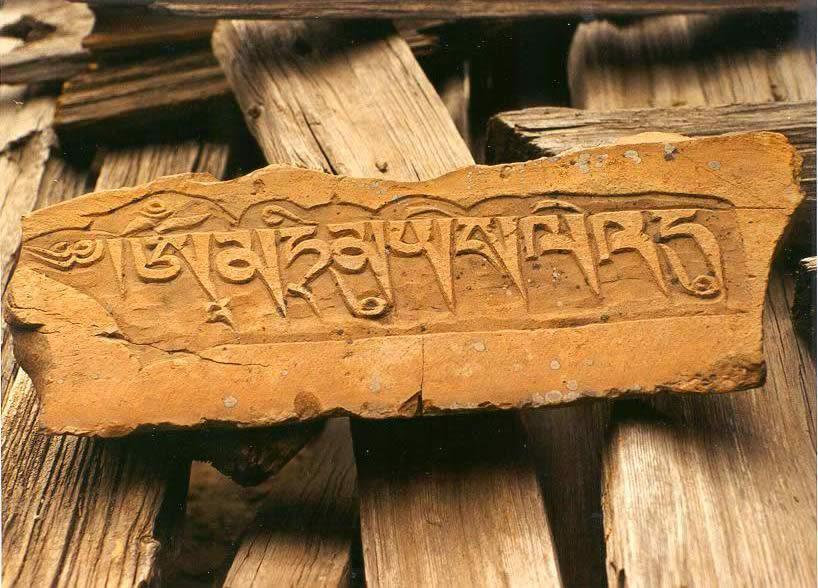
The MA TRI mantra displayed above the main door of a home.

The MA TRI mantra can be recited by anyone and is not required to be kept secret. It is one of Yungdrung Bön’s three essence mantras and is known as The Great Mantra. The complete mantra is OM MA TRI MU YÉ SA LÉ DU. There are many different melodies for its recitation. According to the text, when compassion is generated and its melody recited out loud, any sentient beings whose ear sense power perceives the mantric melody will attain liberation.

The profundity of the MA TRI mantra is inconceivable. It is said that if one wears it on the body, physical obscurations will be purified. If one recites it with speech, verbal obscurations will be purified. If one thinks of it in the mind, mental obscurations will be purified. If one recites the syllables continuously, there is no doubt that one will be reborn in a blissful realm immediately after death.

“The benefits of reciting this mantra just once are greater than filling all the worlds with the five precious substances and making offerings to the buddhas. All the aims of this life and the next will be accomplished.”

Commentary on the MA TRI mantra by Shardza Tashi Gyaltsen
Each of the syllables of the MA TRI have a specific color that corresponds with the deity that manifest from their essence

Although the power of a mantra is not limited to what can be expressed through language and therefore cannot be defined through concepts, it is possible to make associations of the syllables with their manifested expression to give some idea of their unique significance. For the MA TRI mantra, the associations are:

  • OM has the nature of the state of Tönpa Shenrap Miwo Künlé Nampar Gyalwa who is principally related to a skillful method of compassionately taming migrating beings.
  • MA has the essence of Tükjé Jamma, the source of everything, the vast expanse of the mother’s womb, and the basis for omniscience. It represents the characteristics of the great mother Tukjé Jamma who is principally associated with wisdom.
  • TRI is the seed syllable of Mucho Demdruk who protects from heat and cold through great love. He is the Subduing Shen of the hell realms. Hatred dissolves into the vast expanse of love.
  • MU is the seed syllable of Sangwa Ngangring who satisfies hunger and thirst through great generosity. He is the Subduing Shen of the hungry ghosts. Desire and attachment dissolve into the vast expanse of generosity.
  • is the seed syllable of Tisang Rangzhi who removes stupidity and muteness with great wisdom. He is the Subduing Shen of the animals. Mental dullness dissolves into the vast expanse of wisdom.
  • SA is the seed syllable of Drajin Pungpa who tames jealousy through great openness. He is the Subduing Shen of humans. Jealousy dissolves into the vast expanse of great openness.
  • is the seed syllable of Chegyal Parti who destroys pride through great peacefulness. He is the Subduing Shen of the demi-gods. Pride dissolves into the vast expanse of peace.
  • DU is the seed syllable of Yeshen Tsukpu who tames laziness through great zeal. He is the Subduing Shen of the gods. Laziness dissolves into the vast expanse of diligence.
MA TRI prayer flags

Prayer flags of the MA TRI mantra are currently available for purchase from the Nine Ways Shop. Their small size is perfect for hanging above doorways. Visit the Nine Ways Shop by clicking the link at the top of this page. Items sold support the construction of a memorial chorten for Yangtön Lama Tashi Gyaltsen. [Please note that items only ship within the continental United States.]

Raven Cypress Wood ©All Rights Reserved. No content, in part or in whole, is allowed to be used without direct permission from the author.

Did you enjoy this content? This article is made possible by generous donors who want content like this to continue to be available. Don’t want to miss a post? Scroll to the bottom and click “Follow this blog.”

Join the mandala of Nine Ways supporters by donating through one of the services listed below.

In Support of a Memorial Chorten for Yangtön Lama Tashi Gyaltsen Rinpoche

Yangtön Lama Tashi Gyaltsen. Photo credit: Raven Cypress Wood

On the Full Moon day of the 5th lunar month, Western date June 22nd, in 2024, Yangtön Lama Tashi Gyaltsen Rinpoche showed the truth of impermanence by passing beyond his physical body. He remained in meditation and, according to Khenpo Nyima Künchap Rinpoche who was his attendant during this time, the vibrant glow of his complexion only increased after his outer breath had stopped. He was well-known and well-loved by Yungdrung Bön practitioners worldwide.

His nephew, Geshe Tenzin Yangtön, is currently in their home village of Tsarka in Dolpo, Nepal and planning the construction of a memorial chorten for Yangtön Lama Tashi. In order to raise funds to support this construction, Nine Ways has established an online shop containing a limited supply of quality practice support items for sale. To view the shop, simply click on the Nine Ways Shop tab at the top of the page or follow this link: https://ravencypresswood.com/nine-ways-shop/ Due to the cost and challenges of international shipping, items are only available to be shipped to the continental United States.

It is not necessary to make a purchase in order to donate towards the construction of the memorial chorten. Donations can be made either through Nine Ways using any of the Q codes at the bottom of this article. Donations can also be made directly to Geshe Tenzin Yangton through the service Wise that transfers money internationally from one bank account to another. If this is preferred, email Raven at RCW108@gmail.com in order to obtain the needed information.

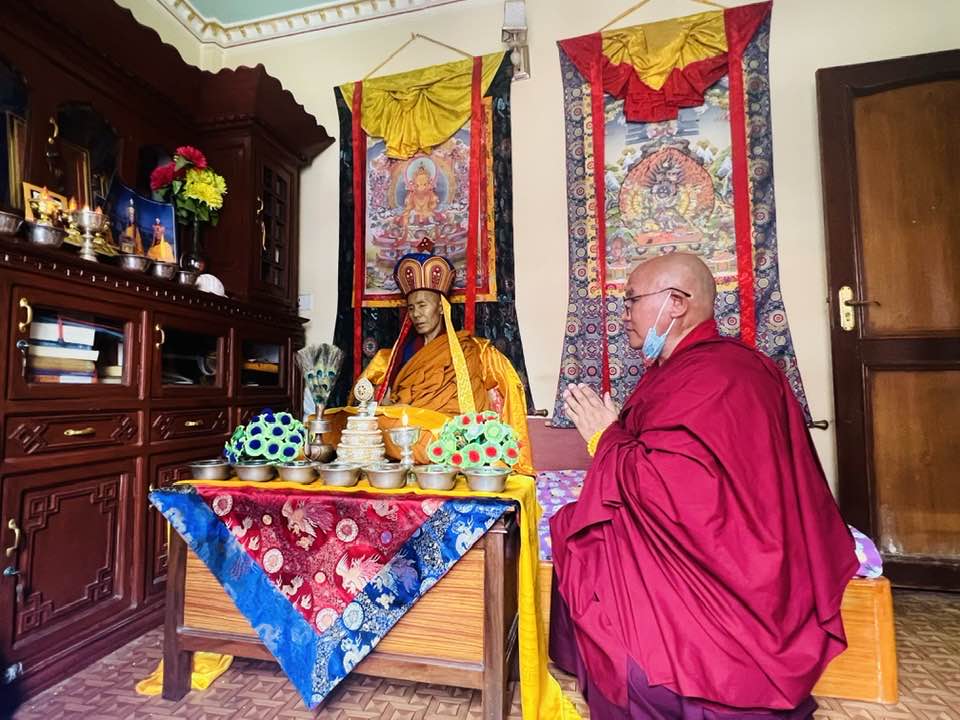
Yangtön Lama Tashi Gyaltsen Rinpoche in tukdam and being attended by his dear friend Khenpo Nyima Künchap Rinpoche. (Photo used with permission.)

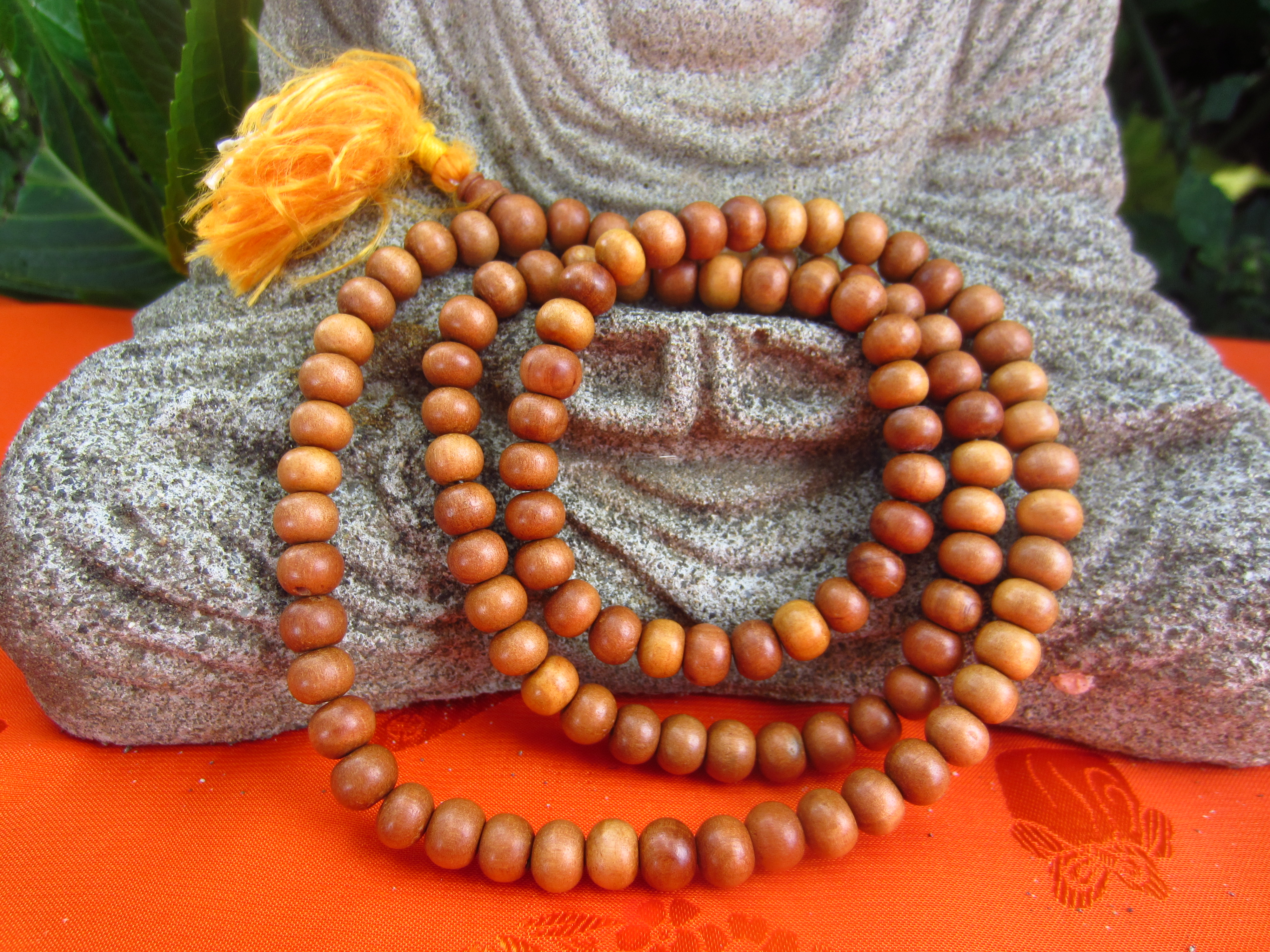
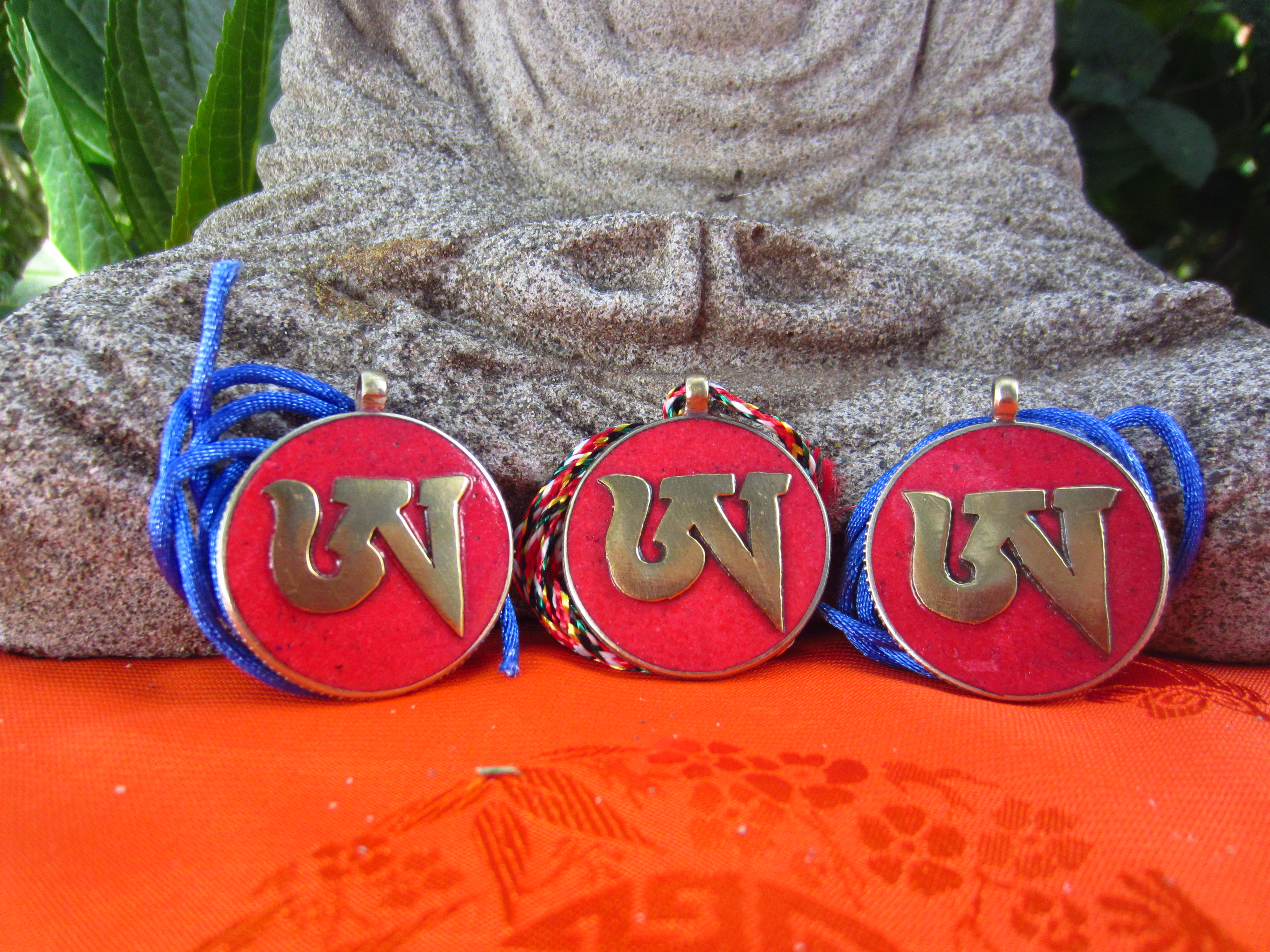
Some of the Items in the Nine Ways Shop

A Brief Biography of Yangtön Lama Tashi Gyaltsen Rinpoche

Yangtön Lama Tashi Gyaltsen Rinpoche was born into the esteemed Yungdrung Bön Yangtön lineage in 1954 in Tsarka, Dolpo in Northwest Nepal. After completing the traditional three year retreat, he attained the knowledge and experience of a tantric practitioner. As a young man, he was the first resident of the remote village of Tsarka to go to Menri Monastery in India at the behest of His Eminence Yongdzin Tenzin Namdak  Rinpoche. He received his monk’s vows from both His Holiness the 33rd Menri Trizen Lungtok Tenpé Nyima Rinpoche and His Eminence Yongdzin Tenzin Namdak Rinpoche. After many years of study, he received the esteemed Geshe degree in 1986. Additionally, he received the dzogchen teachings from Yongdzin Sangyé Tenzin Rinpoche, Yongdzin Tenzin Namdak  Rinpoche, and Tsundue Rinpoche.  Later, he was instrumental in bringing some of his relatives such as his cousin, H.E. Menri Pönlob Trinlé Nyima Rinpoche, to Menri Monastery.  

Raven Cypress Wood with Yangtön Lama Tashi in 2017. Photo credit: Khenpo Nyima Künchap Rinpoche

He then became the abbot of Yanggön Thongdrol Phuntsok Ling Monastery in Tsarka, Dolpo. There, he shared his knowledge with the male and female tantric practitioners, led ritual gatherings, and gave blessings and empowerments to the local community. He was also responsible for the training and support for those undergoing the traditional three year retreat in his village. Realizing the need for a gompa in the village, he began construction of the Yanggön Thondrol Phuntsok Ling Monastery in 1988. He then relocated the old temple which housed all of the sacred texts, Tardzong Phuntsok Ling Monastery, from the opposite side of the river nearer to the village so that it could be more accessible and closer to the newly constructed temple. After this, he built a khor khang (a prayer-wheel room), a kitchen, a residence for practitioners, and a store room. In this way, he reestablished a perfect environment for the practitioners of the three year retreat and practitioners in general. Due to the strong influence of Lama Tashi, many young Tsarka villagers have traveled to India or Nepal in order to join the schools there or to take vows and study as monks or nuns. Many times, Yangton Lama Tashi underwent the arduous journey out of Tsarka in order to travel throughout the world in order to share his teachings and wisdom with Western students.

Yangtön Lama Tashi leading The Six Dances of Dignified Movements of the View of the Male and Female Heroes at Ligmincha Institute. Photo credit: Raven Cypress Wood

Raven Cypress Wood ©All Rights Reserved. No content, in part or in whole, is allowed to be used without direct permission from the author.

Did you enjoy this content? This article is made possible by generous donors who want content like this to continue to be available.

Join the mandala of Nine Ways supporters by donating through one of the services below!

It’s easy through Paypal, Zelle, or Venmo using the email: RCW108@gmail.com

Don’t want to miss a post? Scroll to the bottom and click “Follow this blog.”

The Time to Practice the Deity Tséwang Rikdzin 

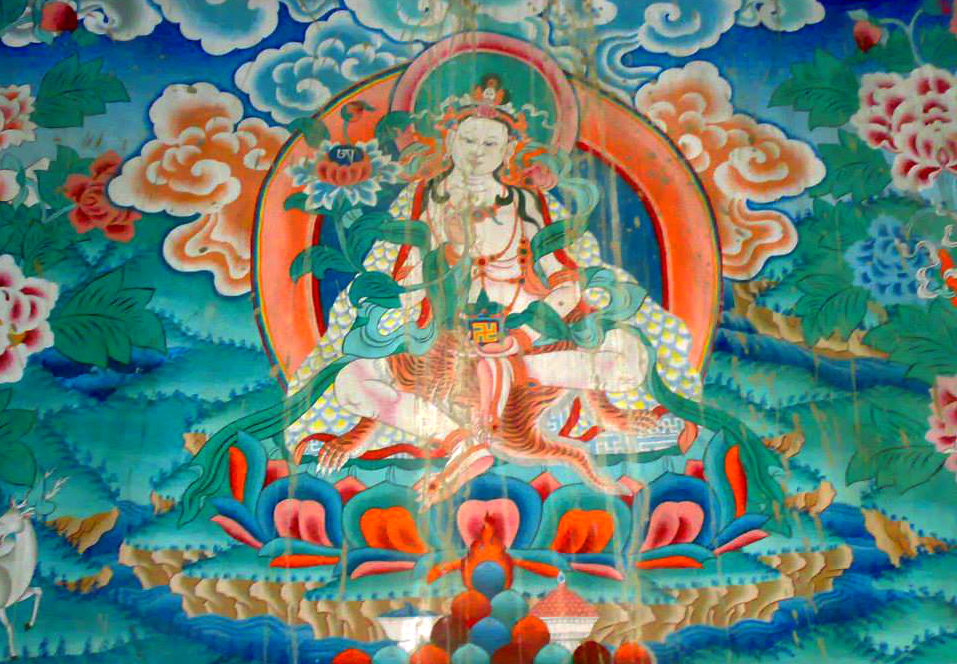
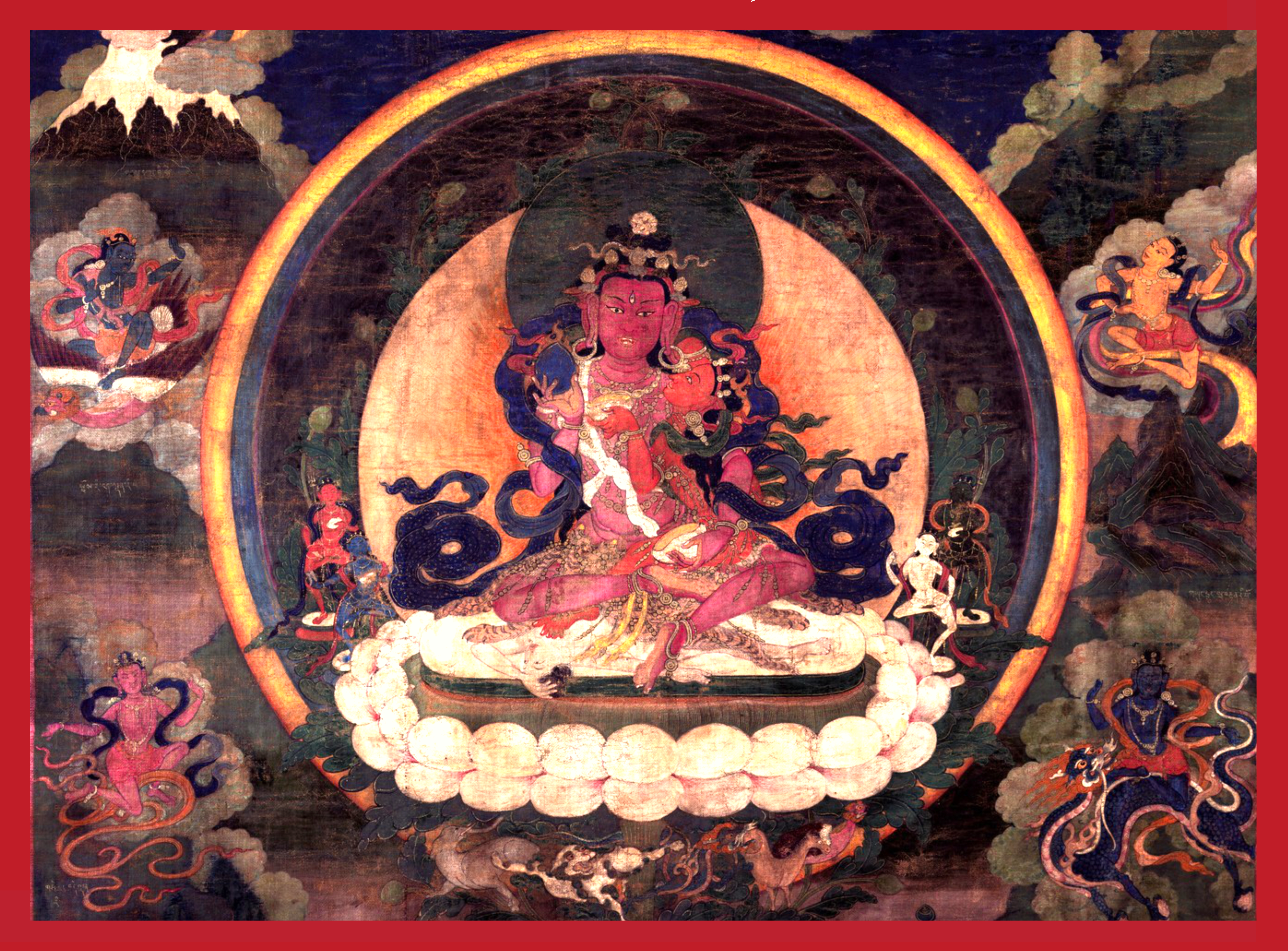
Mural of Lama Tséwang Rikdzin inside Yanggön Thongdrol Phüntsok Ling temple in Dolpo, Nepal

On the 10th lunar day of the Horse month (3rd lunar month) of the Fire Horse year of 914 BCE, the Great Lama Drenpa Namkha was born in the kingdom of Zhang Zhung. (For more information about Drenpa Namkha, see previous article: https://ravencypresswood.com/2016/05/06/practice-of-the-great-lama-drenpa-namkha/ ) On the 10th lunar day of the Monkey month (5th lunar month) in the Water Monkey year of 888 BCE in the kingdom of Zhang Zhung, his twin sons Tséwang Rikdzin and Pema Tongdrol were born. For this reason, the 10th lunar day of each month is designated for the practice of the Great Lama Drenpa Namkha and his two sons, Tséwang Rikdzin and Pema Tongdrol. For the remainder of 2024, the 10th lunar day of each month coincides with July 16th, August 14th, September 13th, October 12th, November 11th, and December 10th. On these days, it is especially auspicious to recite prayers, supplicate, and make offerings to Lama Drenpa Namkha, Tséwang Rikdzin, and/or Pema Tongdrol.

Bhutanese mural of Zhang Zhung Drenpa Namkha

The mother of the twins was the daughter of an Indian Brahmin, Khandro Öden Barma. It is said that Tséwang Rikdzin, named Yungdrung Dönsal at birth, was firstborn from the right side of her womb and had a peaceful, light-colored complexion with the mark of a yungdrung in the center of his forehead. While Pema Tongdrol was born from the left side of her womb and had a more wrathful, dark-colored complexion. As youths, Tséwang Rikdzin had a naturally peaceful disposition and his brother was more active and excitable. However, although they appeared like ordinary human beings to those with impure vision, both brothers were emanations of realized beings. Pema Tongdrol was an emanation of the yogi Takla Mébar and Tséwang Rikdzin was an emanation of Sangwa Düpa. Some years later, Öden Barma wanted to return to her birthplace in India and Drenpa Namkha wanted to stay in Zhang Zhung. Thus, due to various circumstances, the parents separated for a time. Pema Tongdrol went with his mother to India and Tséwang Rikdzin stayed with his father is Zhang Zhung. 

Tséwang Rikdzin’s hagiography in four volumes was discovered as a treasure text by Sang Ngak Lingpa. It details how, like his father, Tséwang Rikdzin remembered the teachings and practices of his previous 500 lifetimes. He attracted his own disciples, traveled to many sacred places in order to teach, meditate, and subdue harmful spirits. He practiced with six different khandro who had devoted their lives to religious practice and who attained their own realization and became lineage holders of Tséwang Rikdzin’s teachings. Although he could appear in any form necessary to help sentient beings, he is described as primarily having six different manifestations corresponding to the six different mountain retreats where he practiced and performed miracles. Because he transcended cyclic existence, purified all obscurations, and perfected all positive qualities, he is practiced as a yidam deity.

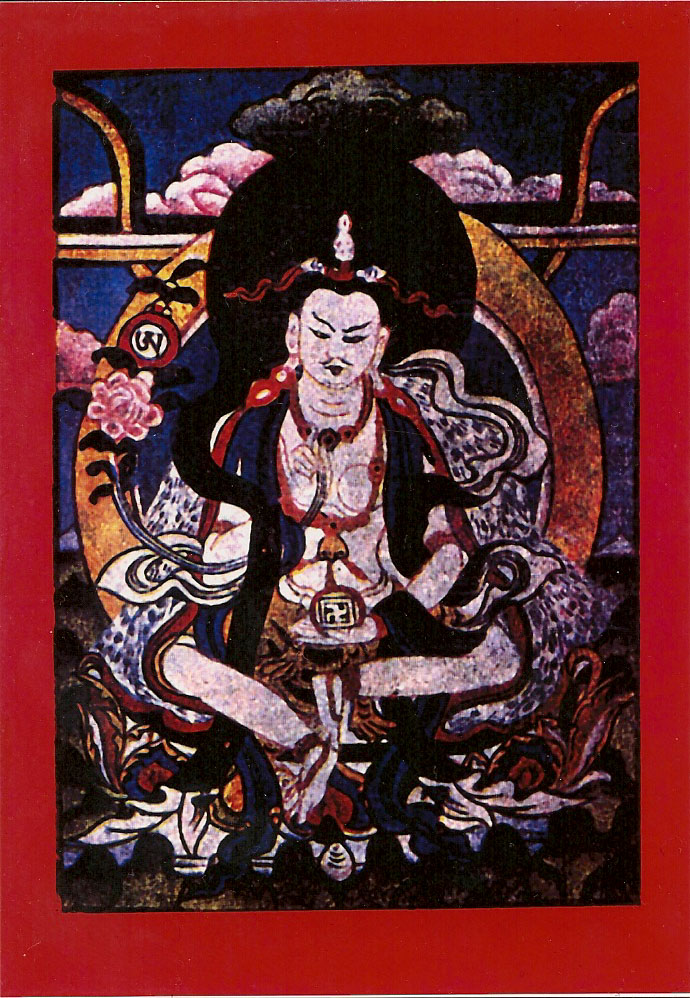
Tséwang Rikdzin depiction according to the Tséwang Jarima

The Tséwang Jarima, Tséwang’s Cycle of Teachings Given at Bird Mountain, is a cycle of practices primarily focused on longevity, restoring and supporting the vital life force, and practices to pacify negative spirits endangering the health or lifespan. This cycle was established during his time practicing near Mt. Tisé (a.k.a Mt. Kailash.) At that time, a nyulé demoness and other evil-minded nyulé spirits were attacking the fertility of individuals and also cutting the lifespan of young children. Moved by compassion, Khandro Tukjé Kündrol appeared to Tséwang Rikdzin and transmitted a method for both protecting and restoring the lifespan. This practice for longevity and healing is widely practiced to this day. (For more about the longevity practice of Tséwang Rikdzin, see Indestructible ) 

“How wonderful! In the supreme place upon the summit of Jari, the great Tséwang Rikdzin was surrounded by a retinue of thousands of male and female rikdzin.  At that time, the great mother, Tukjé Kündrol, in order to benefit sentient beings who had an exhausted or damaged lifespan, she spoke this secret long life mantra which is the source of all wish-fulfilling things.” -Extract from the Tséwang Jarima

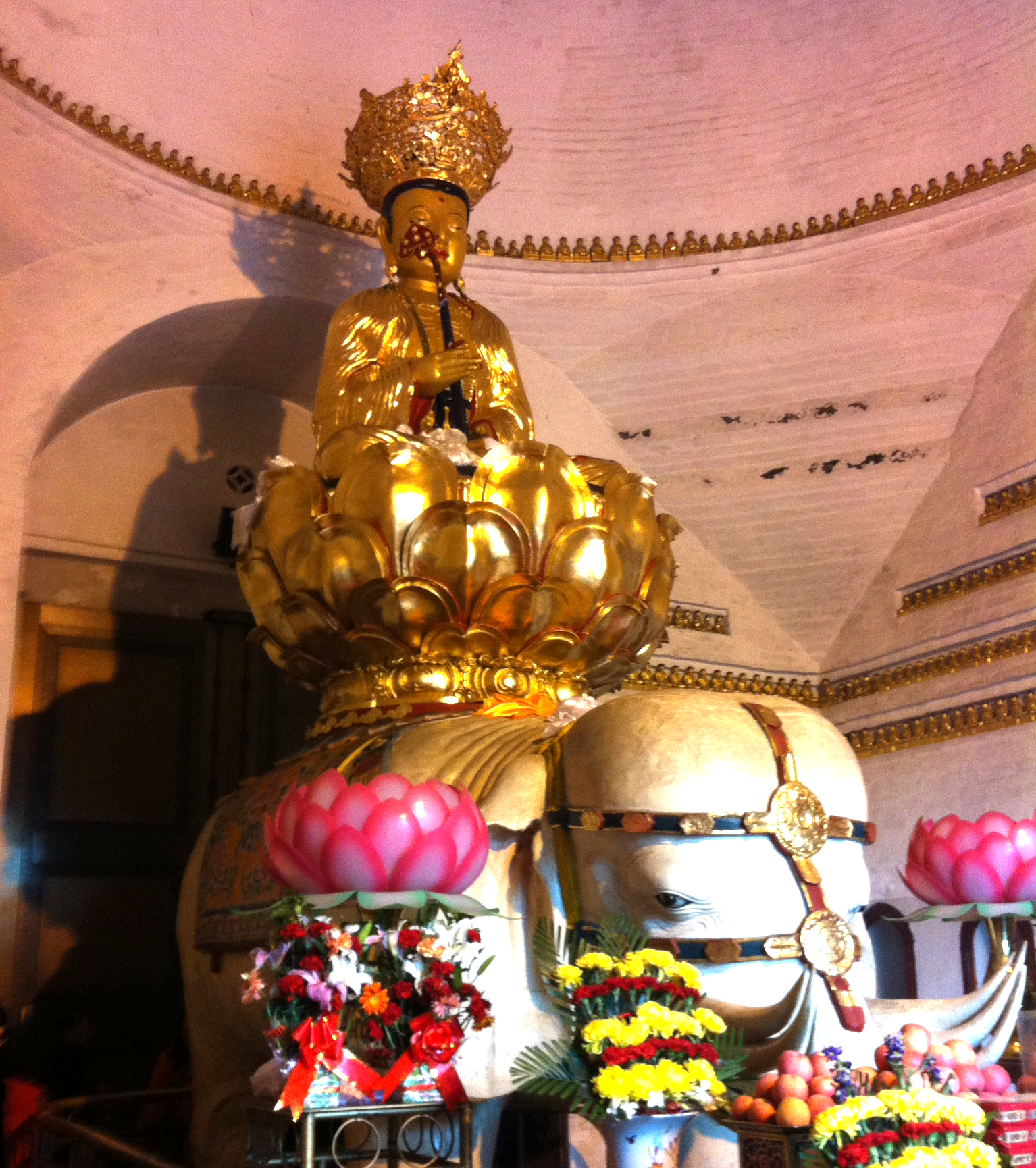
Tséwang Rikdzin siting atop a white elephant in the longevity temple on Mt. Emei in China. Photo credit: Khedup Gyatso

The Tséwang Böd Yulma, Tséwang’s Cycle of Teachings Given in Tibet, is a tantric text whose view is closely aligned with that of dzogchen. The main body of the scripture is divided into the Ten Scrolls that provide instructions for various practices such as extracting the essence, transference of consciousness, and pointing out naked awareness. This text was found as a treasure text by the tertön Bön Zhig Yungdrung Lingpa. The volume also contains additional and complimentary practices such as Tséwang’s Precious Mala of Beneficial Aspiration Prayers. (The English translation of this prayer is available for download on the Publications page of this website.) The final act of outer religious practice performed by Shardza Tashi Gyaltsen before he entered his tent and attained the rainbow body at the time of his passing into nirvana, was to perform the feast offering of the Tséwang Böd Yulma.

The Tséwang Gya Garma, Tséwang’s Cycle of Teachings Given in India, includes works focused on fire ritual, fumigation offering, healing from various maladies, tsa lung, and practices for the khandros Tukjé Kündrol and Kalpa Zangmo, among others.

Some texts record Lama Tséwang Rikdzin’s lifespan as being 800 years, others record it as 500 years. However, there is no record of his passing away in any text. In fact, during the time of the emanation of Drenpa Namkha of Tibet who lived the 8th century, Tséwang Rikdzin actually attended his dzogchen teachings. He was then known as Ritropa, The Hermit. For this reason, it is said that he gained power over life and death in order to continue working for the vast benefit of sentient beings.

In the Tséwang Gya Garma, Tséwang Rikdzin is depicted with a body that is dark-red and with a consort. His hand objects differ according to specific practices.

Supplication Prayer to Tséwang Rikdzin

How wonderful!

Supreme son of The Great Lama, Tséwang, you are a protector of migrating beings who activated the flow of karma and met with the Yungdrung Bön. First, you trained in the study and contemplation of inner and outer Bön. Then, meditating upon the ultimate meaning, you reached the level of a rikdzin. You traveled to sacred places high and low throughout the world such as India, China, Zhang Zhung, Tazik, Orgyen, Drusha, Gilgit, Ménak, and so on. Together with the khandro, you reveled in the ordinary and supreme accomplishments. You attained power over the mind and brought the four elements under your control. You bound with oaths the male and female non-human gods and demons. You greatly increased vast benefit for migrating beings. At this current time, bestow accomplishment upon your faithful children!

“I will proclaim my speech and show my face to those with a karmic connection. Those followers in the 500 years of the dark time, listening steadfastly without distraction and supplicate! I will quickly catch you with my iron hook of compassion!”

If the time has come to keep you promise, reveal your face and bestow the profound oral instructions!

“Because of doubtlessly practicing recitation practice to me, I will certainly reveal my face.”

If the time has come to keep you promise, reveal your face and teach the profound oral instructions!

“Without miserliness, make offerings to me and I will rain down a shower of both the ordinary and the supreme attainments.”

If the time has come to keep you promise, bestow the attainments without exception!

“Without biased nonattachment, wander the mountain hermitages and I will point out the infallible path of liberation.”

If the time has come to keep you promise, show the correct and supreme path of liberation!

“Act effortlessly without hypocritical nonattachment and I will act as a special companion providing supportive circumstances.”

If the time has come to keep you promise, act as my companion and establish the supreme path of the Great Vehicle!

“By extracting the essence of earth and stones and eating that as food, I will bestow inexhaustible great, precious treasure.”

If the time has come to keep you promise, completely supply all necessities!

“Without being covered by the stain of wrongdoing, practice the path of skillful means of tsa lung and meditation and I will ignite the blissful heat of meditative stability.”

If the time has come to keep you promise, provide completely perfect supportive circumstances!

“I am deathless, with an indestructible lifespan. During the 500 years of the dark time, I will send forth a multitude of emanations.”

If the time has come to keep your promise, please come as a multitude of supreme holders of the doctrine!

All translations from the Tibetan by Raven Cypress Wood

Raven Cypress Wood ©All Rights Reserved. No content, in part or in whole, is allowed to be used without direct permission from the author.

Don’t want to miss a post? Scroll to the bottom and click “Follow this blog.”

Want to join the mandala of Nine Ways supporters? Follow this link https://ravencypresswood.com/donate/ It’s easy through Paypal, Zelle, and Venmo.

Birth Anniversary of Karu Drupwang Tenzin Rinchen: Pilgrim, Sage, & Champion of Yungdrung Bön

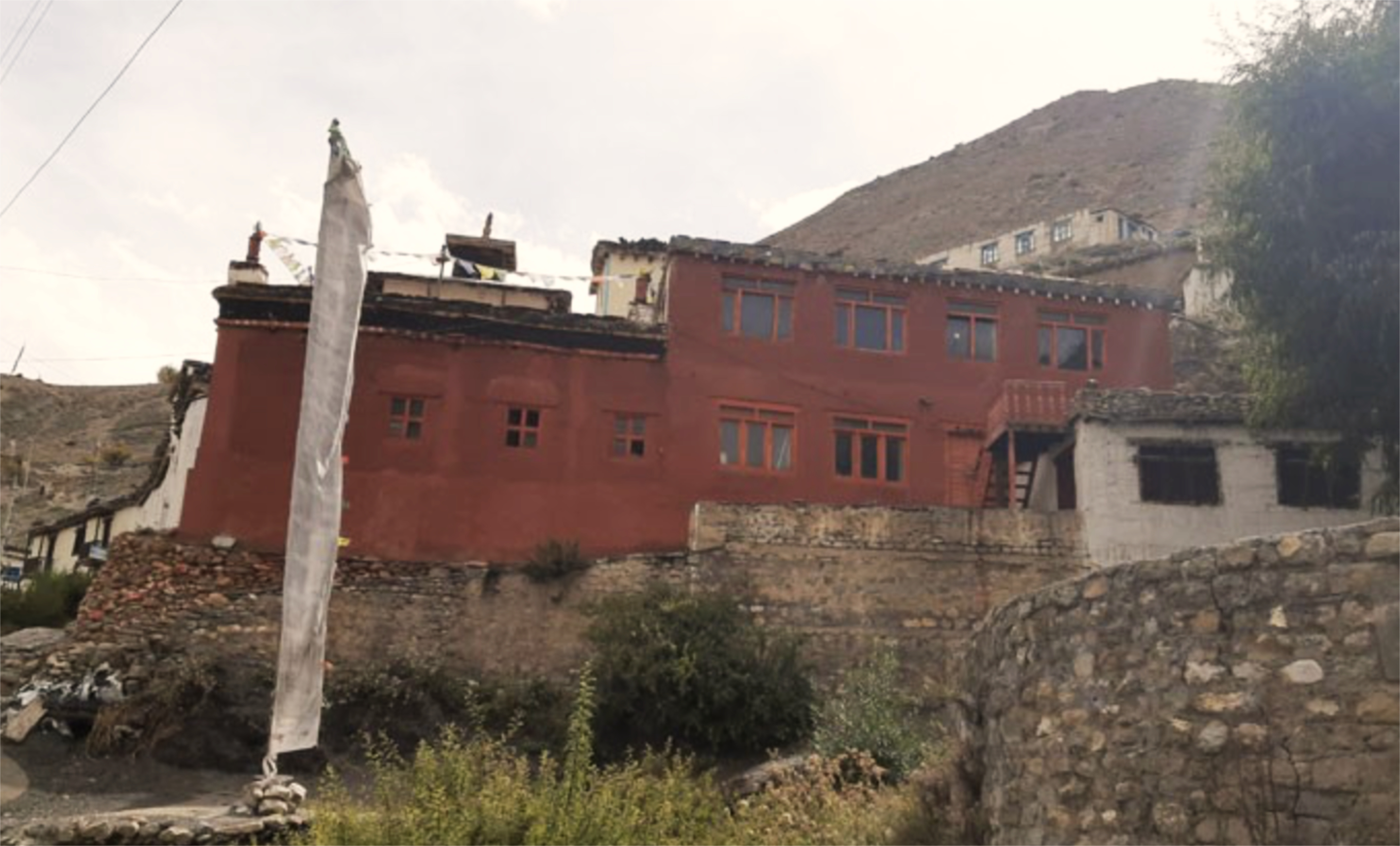
Yungdrung Phüntsok Ling in the village of Lubrak

The 8th day of the 10th lunar month is the birth anniversary of the intrepid scholar and spiritual master Karu Drupwang Tenzin Rinchen Gyaltsen Dechen Nyingpo, better known as Karu Drupwang Rinpoche. In 2023, this lunar date corresponds with November 20th. Born at sunrise in 1801 C.E. to a wealthy family in Kham, Tibet, his birth was precipitated by miraculous signs and his autobiography recounts that he was urged to take rebirth by a group of deities so that he could benefit beings through his manifestation. Throughout his life, he traveled extensively on lengthy pilgrimages and was a strong advocate for maintaining the authentic history of Yungdrung Bön sacred sites while maintaining a nonsectarian view and having meaningful interactions with a wide range of people from kings to outcastes. Throughout Tibet and Nepal, he became well known for both his intellect and his magical power.

An emanation of the 8th century B.C.E. yogi Lishu Taring, the first of his many visionary encounters occurred at the young age of two years old when he was visited by this sage and given extensive, detailed spiritual instructions. At the age of six, he took monastic ordination and began his studies at the nearby Nor Ling Monastery. He was an excellent student and was highly praised by his teachers for his achievements. However, upon the death of his father when he was thirteen, the family’s wealth, status, and influence quickly began to decline. As such, his position within the monastery also declined and the previous jealousy of his peers turned to outright hostility. After a few years of suffering from insults and ill treatment, he left the monastery in order to undergo a lengthy, solitary retreat. This retreat was interrupted however due to unforeseen circumstances that required him to fulfill his monastic responsibilities at Nor Ling. Again experiencing abuse from his peers, he made the decision to begin a lengthy pilgrimage. This began his lifetime of travel, visionary encounters, and his lasting impact on the the spiritual life and culture of the people of Dolpo and Lubrak in Nepal.

His first pilgrimage brought him to Kongpo Bönri where he had many extraordinary visionary encounters. He continued on to Tashi Menri and Kharna in Central Tibet, as well as many Zhang Zhung sacred sites as he made his way to Western Tibet. During these journeys, he would often discover that a Bönpo sacred site had been subsumed into Buddhist lore and history with no remaining Bönpo relevance. At this, he would fervently go about doing his best to correct the historical and religious record. One of his most well-known compositions is his detailed pilgrimage guide to Mount Tisé [a.k.a Mount Kailash], A Catalogue of Snowy Tisé which was written in 1844 C.E. This is the most detailed pilgrimage guide to this ancient sacred site and details its ancient connection with Yungdrung Bön.

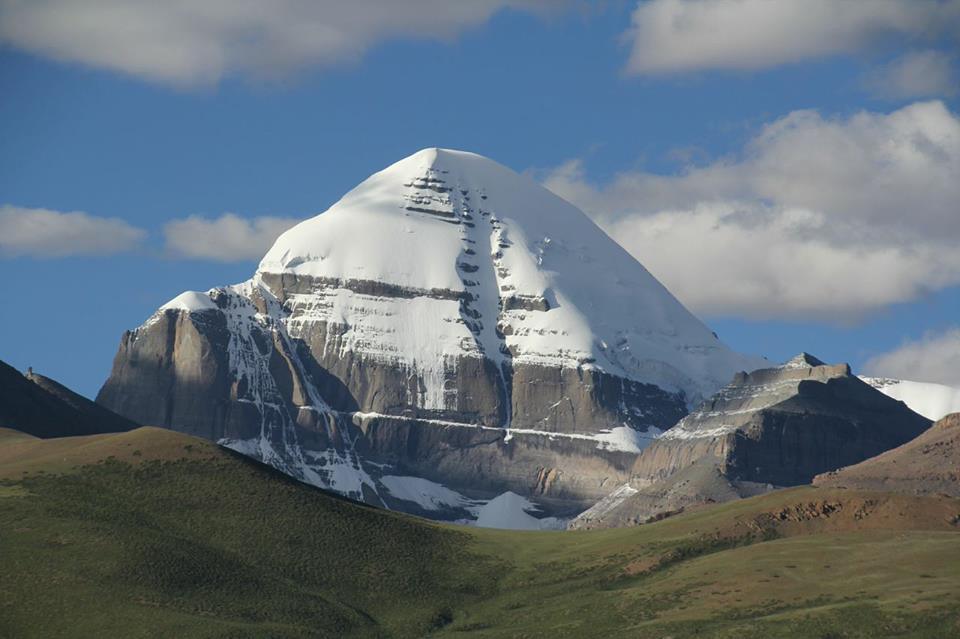
The Southern side of Mount Tisé

He spent a great deal of time in the village of Lubrak and sponsored the construction of a village temple of Yungdrung Phüntsok Ling in 1846 C.E. During this time, he met an impoverished woman and her son. Being a widow, the mother was having great difficulty providing for her child. Moved with compassion and feeling a connection with the young boy, he took him under his care. This boy went on to become one of his main students and the renowned master Drogön Tenzin Nyima.

Karu Drupwang Rinpoche’s other well-known composition is the Mar Ti Duk Nga Rang Drol, Essential Instructions on the Self Liberation of the Five Poisons. He received this dzogchen text as a mind treasure when he was twenty-five years old. During one of his visits to Lubrak, he wrote this text down in order to support the spiritual needs of the community. These teachings continue to be a part of the annual ritual in Lubrak and Karu Drupwang’s original manuscript is still held in the village as one of its great treasures.

“As for mirror-like wisdom, externally, it is the wisdom of not grasping at the self-nature of appearances. Internally, it is the wisdom of not grasping at the self-nature of one’s own identity. Secretly, it is the wisdom of not grasping at one’s own natural mind. Most secretly, it is the wisdom of not grasping at one’s own essential nature.

Every appearance of ignorance and delusion that arises, is in actuality emptiness. This wisdom of knowing emptiness is the wisdom of absolute reality.” 

From the Mar Ti Duk Nga Rang Drol, Essential Instructions on the Self Liberation of the Five Poisons

After spending long periods of time throughout Dolpo and Mustang, he made his way to Kathmandu, Nepal. There, he was often at the stupa of Swayambunath begging for alms. At this sacred site, Karu Rinpoche continued to have vivid, visionary encounters. He traveled throughout the Kathmandu valley encountering a variety of people and cultures. However, in 1852 C.E. he returned to Tibet and became a root lama to the esteemed 23rd Menri Trizin Künkhen Nyima Tenzin. During this time, he also became the Khenpo of his former monastery, Nor Ling.

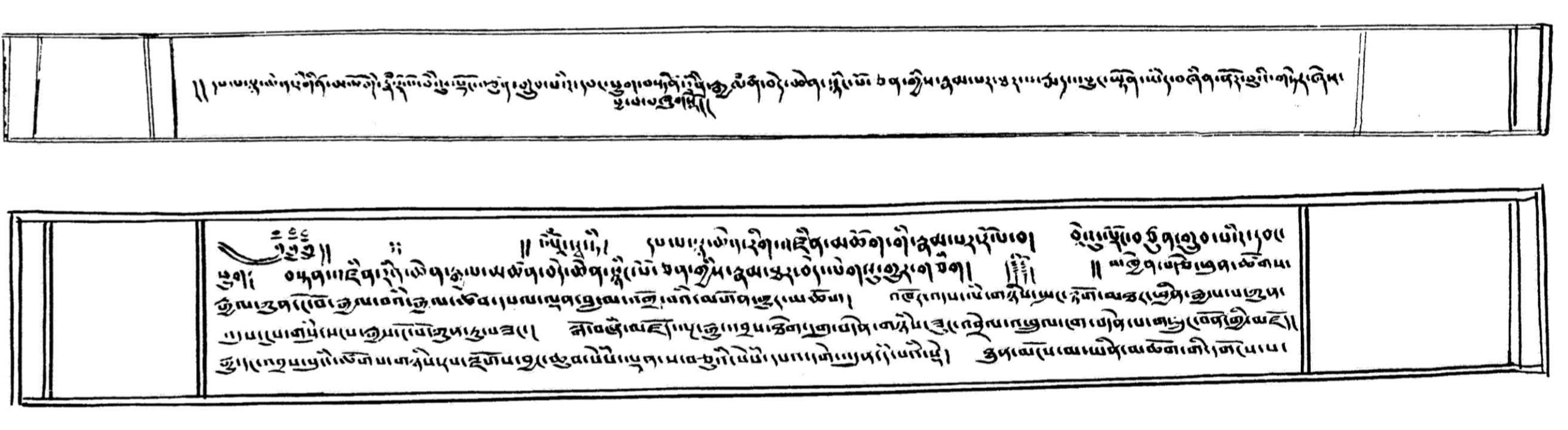
First pages of the Autobiography of Karu Drupwang Tenzin Rinchen

Upon the insistent urging of a disciple, he wrote an autobiography that was completed in 1845 C.E. which can be found in the temple of Samling in Dolpo, Nepal. Although the exact date of his passing beyond this life is not known, it is generally understood to have occurred some time in 1861 C.E.

Chapters within the Mar Ti Duk Nga Rang Drol, Essential Instructions on the Self Liberation of the Five Poisons:

  • Teachings on the Opportunities and Good Fortunes that are Difficult to Obtain from the Systematic Guidance for the Preliminary Practices of the Essential Guidance on the Self Liberation of the Five Poisons
  • Systematic Guidance Regarding the Difference Between Virtue and Wrongdoing, and Impermanence
  • Systematic Guidance on Going for Refuge
  • Systematic Guidance on Generating a Mind of Enlightenment
  • Systematic Guidance on Purifying Wrongdoing through Admission of Wrongdoing and Purification
  • Systematic Guidance on Completing the Accumulations through the Mandala Offering
  • Systematic Guidance on Receiving Blessings and Self-empowerment through Supplication
  • Teaching and Advice for Calm Abiding by Focusing on AH
  • Teaching and Advice for Searching the Mind and Awareness
  • Teaching and Advice for Introducing and Concentrating on the Mind
  • Teaching and Advice on the Path of the Six Aggregates
  • Teaching and Advice for Enhancing Gek Sel Practice
  • Teaching and Advice for Dark Retreat and Clear Light
  • Teaching and Advice for the Nourishment through Chulen [Extracting the Essence]
  • Teaching and Advice on the Six Important Points of Practice
  • Teaching and Advice for Abiding in the State of the Mind’s Essence
  • Teaching and Advice for Fully Realizing the Bön Essence
  • Teaching and Advice regarding the Result which is All-penetrating Wisdom
  • Teaching and Advice on the Power to Work with Deathless Birth
  • Teaching and Advice for Attaining Buddhahood with No Physical Aggregates Left Behind
  • Practice of the Goddess [Jamma]
  • The Clear Mirror of A Hundred Horoscopes of the Essential Instruction on the Self Liberation of the Five Poisons
  • A Little Song About the Connection Between the Relative and the Absolute
  • Abridged Preliminary Practices
  • Supplication of the Root Lama Drupwang Tenzin Rinchen [Composition of a disciple]
  • Expiation through Offering to the Lama
  • A Letter to the Ghosts and Demons that Suppresses Phenomenal Existence with its Majestic Brilliance

Raven Cypress Wood ©All Rights Reserved. No content, in part or in whole, is allowed to be used without direct permission from the author.Don’t want to miss a post? Scroll to the bottom and click “Follow this blog.”

Want to join the mandala of Nine Ways supporters? Follow this link https://ravencypresswood.com/donate/ It’s easy through Paypal and Zelle.

Anniversary of the Parinirvana of Barlé Lama Tsukphü Gyaltsen Rinpoche 

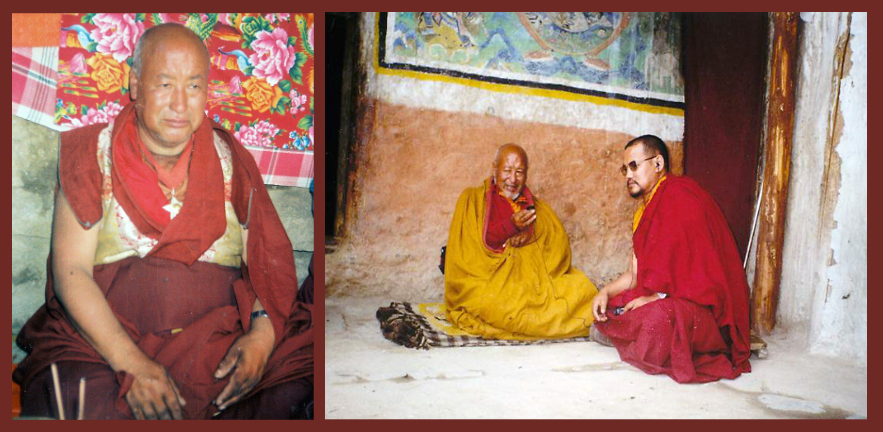
Left: Barlé Rinpoche Right: Barlé Rinpoche with Khenpo Nyima Künchap Rinpoche

Barlé Lama Tsukphü Gyaltsen Rinpoche was the senior lama of Barlé Gompa, formally known as Seteng Yungdrung Shuktsal Ling, located in the village of Barlé in Dolpo, Nepal. On the 27th lunar day of the 4th Tibetan month in the Western year 2000, his outward breath stopped. His body remained in the five-fold meditation posture for three full days. In 2023, this lunar date coincides with June 15th. Some of his ring sel, or precious relics, are now in the village of Ti Chu Rong in the area of Barlé village. Each summer, residents have an opportunity to go and offer their respect and receive blessings from these ring sel.

Barlé Rinpoche was born in 1934 in the district of Barlé and unusual signs appeared at the time of his birth. From the age of five, he was given thorough instruction and training in Tibetan reading, writing, and Yungdrung Bön ritual practices. Although most Barlé lamas are ngakpas, or householder lamas, Barlé Rinpoche did not want to pursue this kind of lifestyle. Instead, at the age of eighteen he received monk’s vows. He traveled to Samling Monastery and stayed there for three years. Later, he received teachings and initiations from His Eminence Yongdzin Tenzin Namdak Rinpoche as well as Sangye Tenzin Rinpoche.

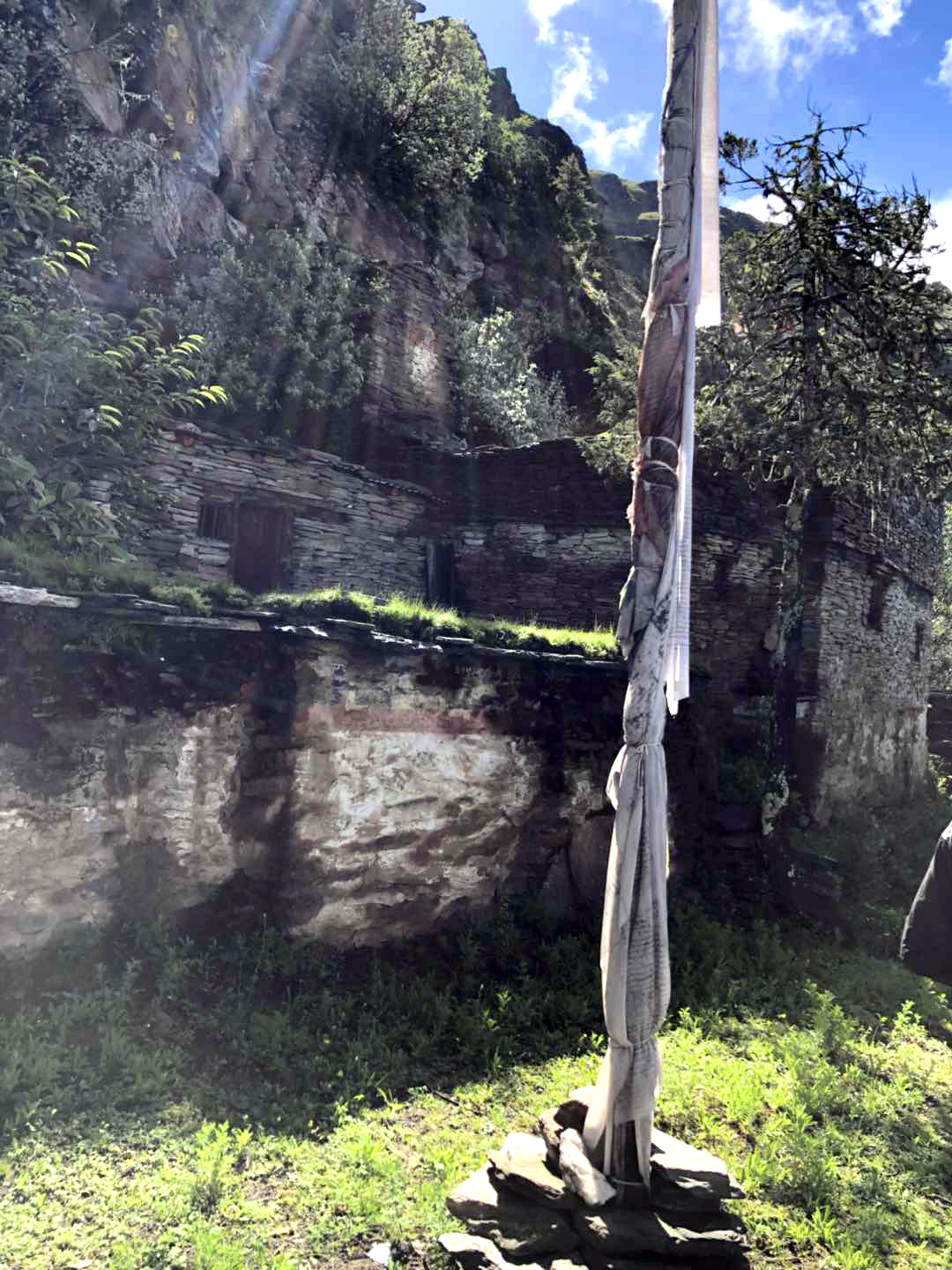
Upon his return to Barlé village, he immediately began looking for an isolated spot to go into retreat. He found an auspicious place about a thirty-minute walk from Barlé Gompa near a rock formation that naturally resembled a chorten. Here, he constructed Drak Gön Hermitage, Stone Temple Hermitage. From 1970 until 2000, he remained in retreat at this hermitage while also working for the benefit of the local residents. He was a skilled calligrapher and wrote many hundreds of pages of sacred text by hand. At the end of his life, he gave many of these texts, to Murig Khenpo Nyima Künchap Rinpoche who was both his relative and a close student from a young age.

The cave hermitage of Barle Rinpoche. Photo credit: Khenpo Nyima Kunchap Rinpoche

Murig Khenpo Nyima Künchap Rinpoche was also born in the village of Barlé. After the parinirvana of Barlé Rinpoche, Khenpo Künchap recognized his reincarnation in the village of Barlé due to the young boy naturally showing the signs of being familiar with the life and private details of his previous incarnation. Given the name Tséwang Rikdzin, he is currently at Menri Monastery in India. Khenpo Nyima Künchap Rinpoche has taken personal responsibility for his well being and education.

Left: Murig Khenpo Künchap Center: H.E. Menri Ponlop Yangtön Thrinley Nyima Rinpoche Right: Barlé Tulku Tsewang Rikdzin in 2022 at Barlé Gompa

Raven Cypress Wood ©All Rights Reserved. No content, in part or in whole, is allowed to be used without direct permission from the author.

Don’t want to miss a post? Scroll to the bottom and click “Follow this blog.”

Want to join the mandala of Nine Ways supporters? Follow this link https://ravencypresswood.com/donate/